What Is ANPR? Automatic Number Plate Recognition
ANPR (automatic number plate recognition) uses specialised cameras and OCR software to turn a vehicle number plate into digital text in real time. This guide explains how it works, what it is used for and the privacy rules around it, then shows how to blur number plates in your own videos.
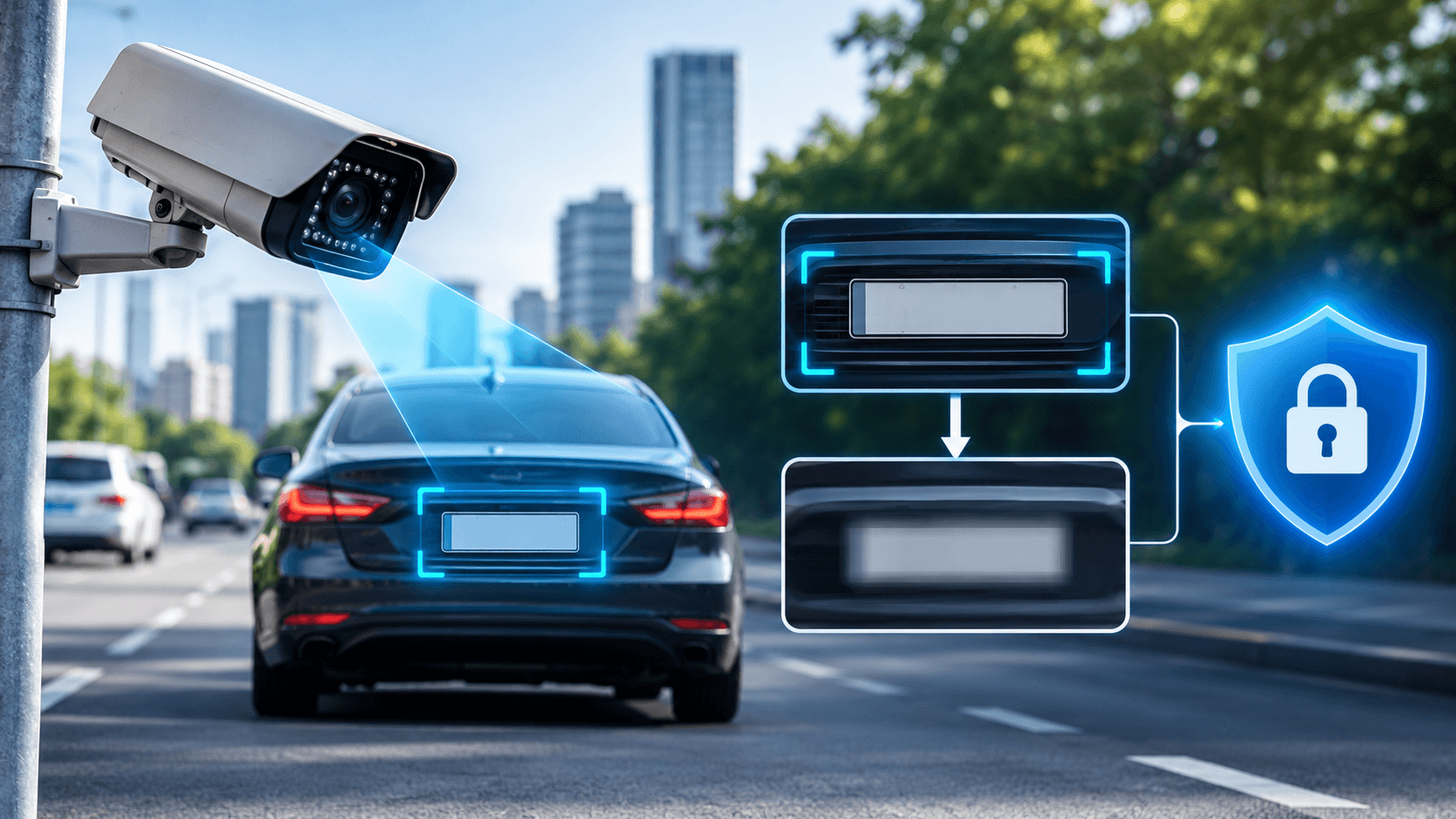
Every time you drive through a toll lane, enter a supermarket car park or pass a police patrol car, a camera may be reading your registration. ANPR (Automatic Number Plate Recognition), also known as ALPR or LPR, is a technology that uses specialised cameras and optical character recognition (OCR) software to read vehicle number plates and convert them into digital text data in real time.
That speed is what makes ANPR so useful for policing, tolling and parking, and it is also why it raises privacy questions. A single read is just a plate. Thousands of reads, each with a place and a time, can describe someone's routine. In this guide we explain what ANPR is, how it works, where it is used and how the UK and EU treat it. Then we show how BGBlur helps you protect privacy by detecting number plates with AI and applying a licence plate blur to your own videos before you share them.
What Is ANPR (Automatic Number Plate Recognition)?
ANPR is a camera-and-software system that automatically reads vehicle number plates. A camera captures the vehicle, software finds the plate in the image, OCR reads the letters and digits, and the result is stored or checked as ordinary text. No one has to type the registration in by hand.
ANPR systems can collect and analyse large amounts of data very quickly. UK data protection guidance describes the typical capture as an overview image of the vehicle, an image of the plate itself, and the vehicle registration mark (VRM). Together with the time and location of the read, that is enough to build a record of a vehicle's movements.
ANPR vs ALPR vs LPR: What Is the Difference?
There is no technical difference. The names reflect where you are:
- ANPR (automatic number plate recognition) is the standard term in the UK and Europe
- ALPR (automatic license plate recognition) is the standard term in the United States
- LPR (license plate recognition) is a shorter generic label
If you want the US-flavoured version of this topic, read our companion guide, What Is ALPR? Automatic License Plate Recognition.
How Does ANPR Work?
ANPR captures an image, reads the plate with AI-driven OCR, then checks the result against a database. In practice the process has three core steps:
- Image capture: A camera, often with infrared lighting so it works day and night, takes a photo or video stream of a passing vehicle.
- Character recognition: AI-driven OCR software isolates the number plate, reads the alphanumeric characters and turns the image into readable text.
- Database check: The text is cross-referenced against digital databases in seconds, for example to check registration, insurance, tax status or watchlists.
Why Infrared Cameras Matter for Number Plate Reading
Number plates are designed to reflect light, which makes infrared illumination very effective for ANPR. The camera can capture a clear plate in darkness, rain or glare, and the system does not depend on streetlights. That is why you often see ANPR units with a small bank of lights next to the lens.
What Happens After the Plate Is Read?
A match can trigger an alert for police, open a car park barrier, bill a toll or simply log the visit. Reads can also be stored so that analysts can search them later, which is where the retention and access rules covered below become important.
What Are the Main Uses of ANPR?
ANPR is used wherever a vehicle needs to be identified quickly and without stopping it. The most common applications are:
Law Enforcement
Police use fixed and mobile ANPR cameras to spot stolen cars, uninsured vehicles, suspended drivers and persons of interest. Vehicle-mounted units let patrols scan traffic as they move.
Electronic Toll Collection
Tolling systems log number plates, or sync with electronic tags such as FASTag in India, to bill drivers automatically without barriers.
Parking and Access Control
Gated communities, commercial garages and retail car parks use ANPR to manage entry without cards or tickets, and to calculate how long a vehicle stayed.
Traffic and Journey Analysis
Councils and road operators use ANPR to understand traffic flow and to calculate average speeds between two cameras over a known distance.
What Does ANPR Check a Number Plate Against?
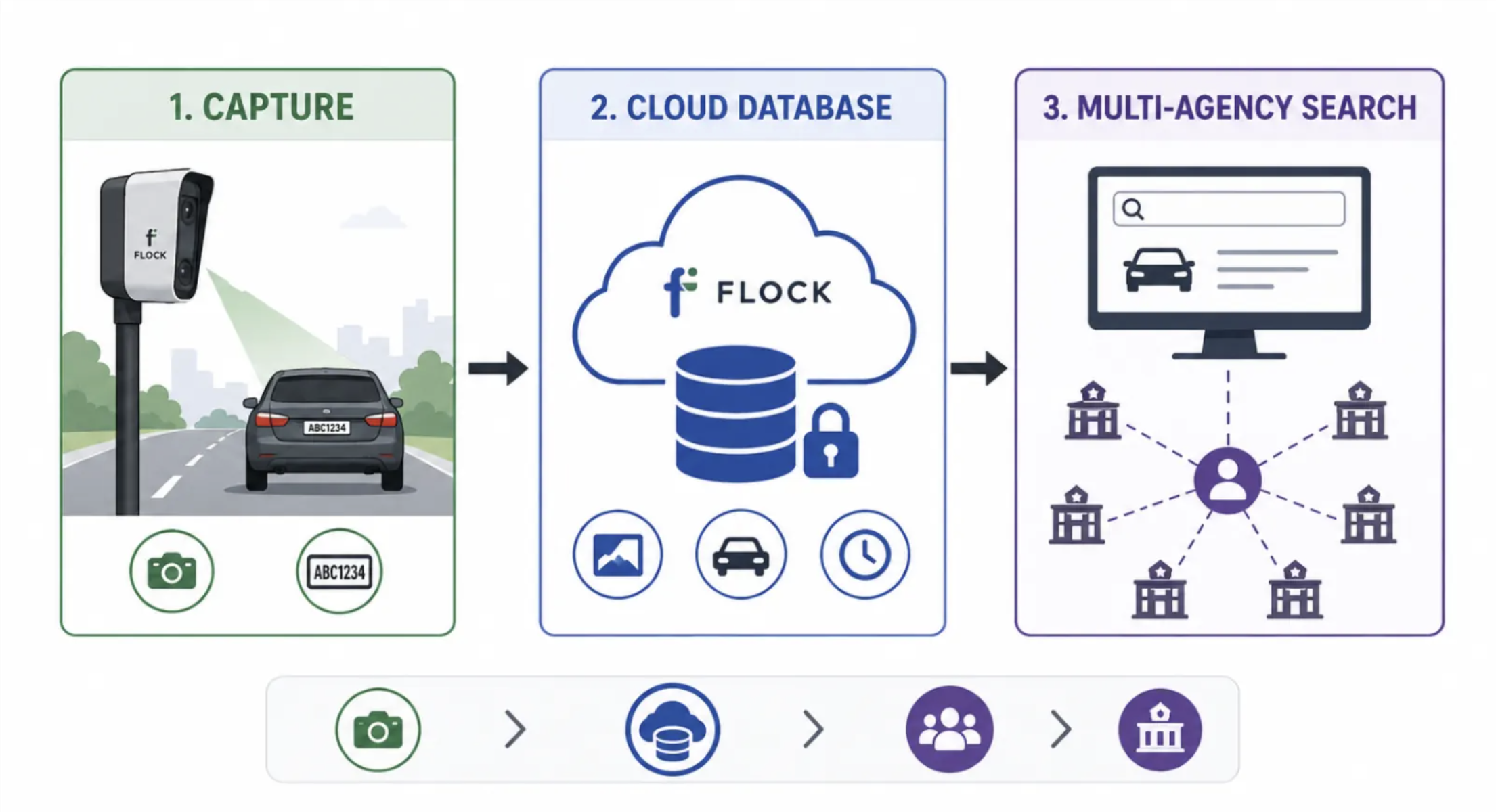
Usually a registration, insurance or watchlist database. Once the plate is read as text, the system can ask quick questions: is this vehicle registered, taxed and insured, is it reported stolen, or is it on a list of vehicles of interest? In a car park the question is simpler: is this plate on the permit list, or how long has it been inside?
This is why ANPR is described as powerful. It does not just photograph a car, it connects the plate to other data. The same linking is what privacy regulators focus on, because each connection makes the record more revealing. Our look at Flock Safety cameras and your license plate privacy shows how networks of plate readers can share data across agencies.
How Accurate Is ANPR, and What Can Go Wrong?
ANPR is fast and generally reliable, but it can misread plates and it can be wrong about a vehicle. Accuracy depends on camera position, lighting, speed, dirt, damaged or non-standard plates, and the quality of the lists it checks against. A misread character can send an alert to the wrong vehicle.
Typical weak points include:
- Poor angles or glare that hide characters
- Dirty, bent or faded plates
- Similar-looking characters such as 0 and O or 8 and B
- Out-of-date databases that flag a vehicle that has since been sold or cleared
For that reason many organisations treat an ANPR alert as a prompt for a human check, not final proof.
Is ANPR Legal? UK and EU Privacy Rules Explained
ANPR is lawful when it is used within data protection law and the relevant codes, but it is closely regulated. In the UK, the Information Commissioner's Office (ICO) guidance on video surveillance covers ANPR and notes that ANPR systems can collect and analyse large quantities of personal data in real time. Operators are expected to follow the Surveillance Camera Code of Practice where it applies and to keep data only for appropriate retention periods. Extended retention without a good reason is unlikely to comply with the data protection principles.
What Do UK GDPR and the Data Protection Act 2018 Add?
Number plate reads are treated as personal data because they can link a vehicle, and so potentially a person, to a place and a time. Police and law enforcement use is subject to additional rules, including data protection impact assessments for national systems. Private operators such as car parks and shops have to respect the same data protection principles, including purpose, fairness and retention. For our take on video specifically, read UK GDPR and the Data Protection Act: video privacy, faces and plates.
What About the EU?
Across the EU, the GDPR applies when a plate can identify a person. Member states add their own rules for policing, parking and tolling, so the details vary by country. Related reading: EU Driver-Facing Camera Law 2026 and EU AI Act Facial Recognition: CCTV Archive Rules. The legal fight over plate readers is also growing in the US, as seen in the ALPR warrant requirement argument from EFF.
Can You Hide Your Number Plate From ANPR Cameras?
No, not on public roads, and covering your real plate is illegal in many places. Roadside cameras read the plate you are required to display. Products that claim to hide or distort a plate are restricted, so check License Plate Concealer Devices: Are They Legal? before spending money.
The part you can control is your own footage. A readable plate in a dashcam clip, a street vlog or a car-sale video can be read by anyone, including software that runs OCR on uploaded video. That is where a licence plate blur protects you.
Why Should You Blur Number Plates in Videos You Share?
A readable plate can identify an owner, show where a car was and be collected by software. The same OCR that powers ANPR can be pointed at public videos, so your upload can become another data source if plates are visible. Common reasons to blur include:
- A plate can link a vehicle to a person or home address
- Footage shows where a vehicle was at a specific time
- Under GDPR and UK GDPR, a readable plate can count as personal data
- Platforms and brands may ask for plates to be hidden in monetised videos
More detail is in Why You Need to Blur License Plates in Videos, Can They Post My License Plate on Social Media? and License Plates in Monetized Videos: Legal Guide.
How Does BGBlur Help Protect Privacy With ANPR-Style Detection?
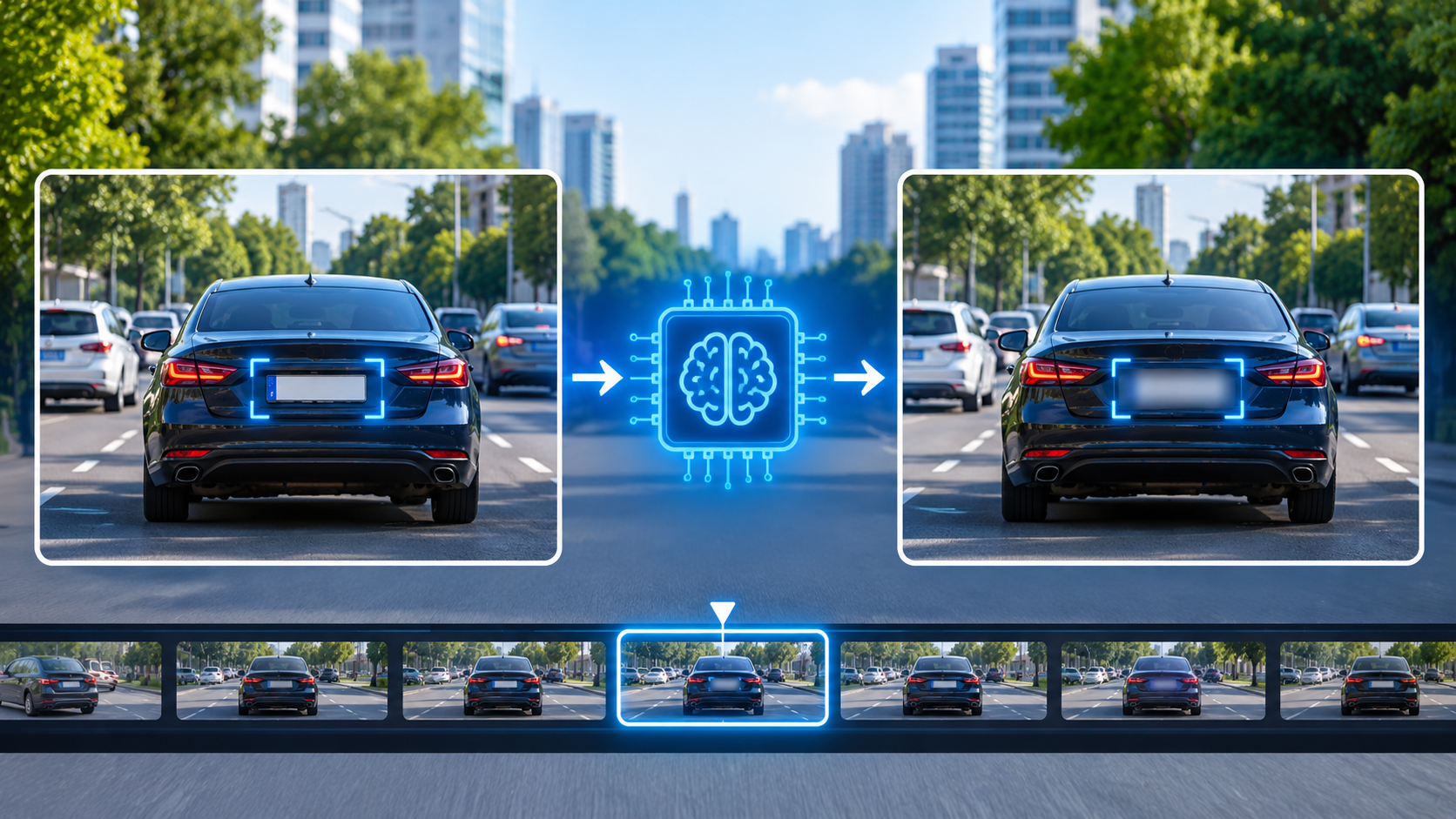
BGBlur uses AI to find number plates in your video and blur them automatically. It uses the same kind of detection that makes ANPR possible, but aims it at protecting people instead of identifying them. You do not have to hunt for plates frame by frame, because the AI detects each one and follows it as cars and the camera move.
Automatic Plate Detection and Tracking
BGBlur's Blur License Plate feature auto-detects plates and tracks them through the clip. A moving car stays covered from first frame to last, which matters for long dashcam and street footage. Learn more in BGBlur AI License Plate Blur for Video Privacy Protection.
Blur License Plate in Video, in Your Browser, With No Watermark
BGBlur runs in the browser, so nothing needs installing, and standard exports carry no BGBlur logo. You can blur video with no watermark on phone, screen-capture, interview and dashcam clips. Uploaded videos are deleted within 24 hours.
Plates, Faces and Other Details Together
Road footage rarely shows only plates. Use Blur Faces in Videos for drivers and pedestrians, and Blur Anything for house numbers, screens and documents. Filming a lot? Bulk Video Blur processes batches.
Redaction When Blur Is Not Enough
When a plate must never be recoverable, use Redact License Plate to cover it with a solid box. Our guide to license plate redaction explains when to choose each.
How to Blur Number Plate in Video With BGBlur (Step by Step)
Upload, review the AI detections, then export. The same flow answers how to blur number plate in video and how to blur licence plate footage on any device.
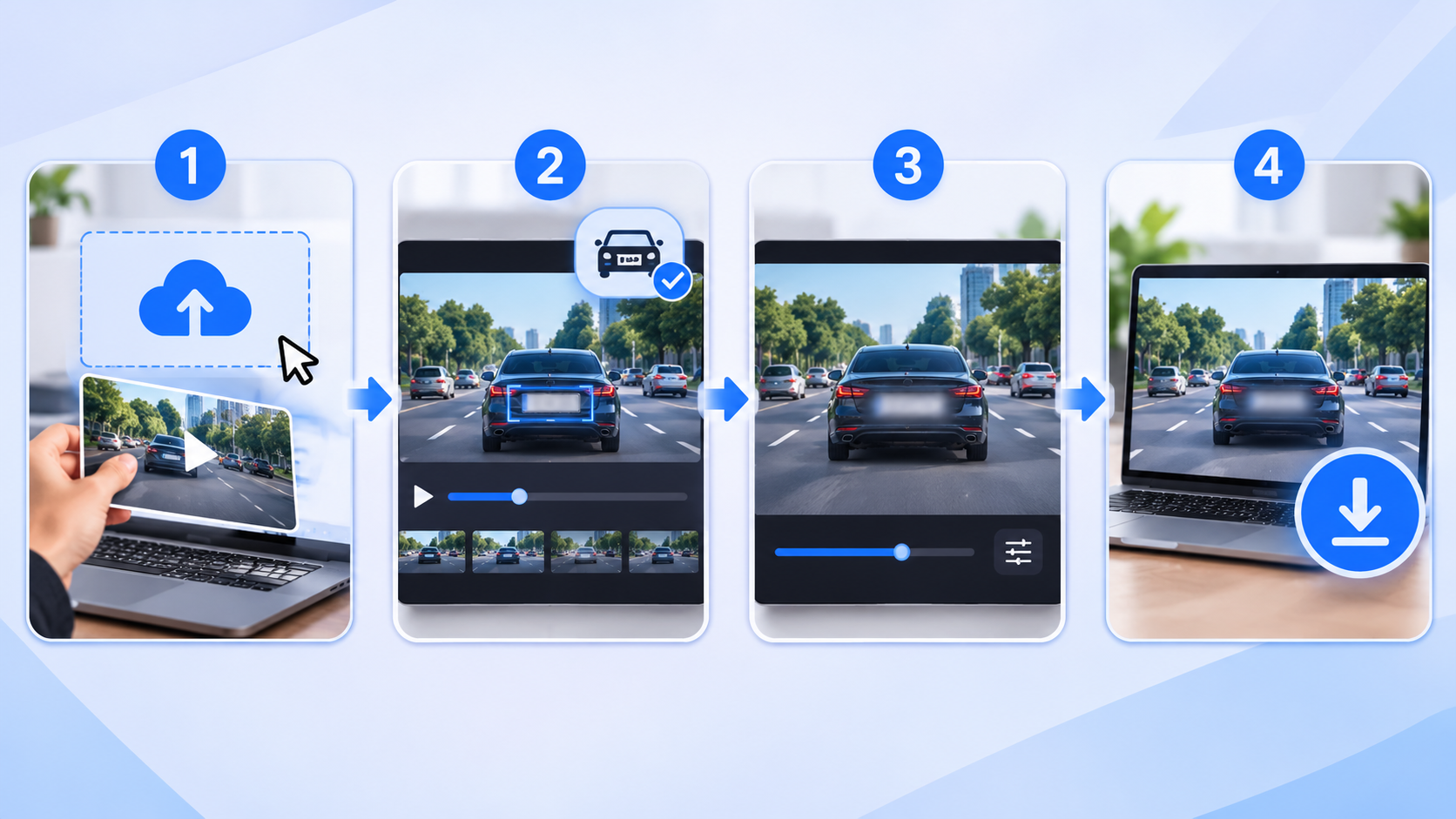
Step 1: Upload Your Video
Open BGBlur in your browser and drag in your clip. MP4, MOV and M4V files are supported, and dashcam, phone and screen-recorded video all work.
Step 2: Blur Licence Plate Details Automatically
Choose license plate blur and let the AI detect each number plate. It tracks them through the clip, so you do not need to edit frame by frame.
Step 3: Review and Adjust
Check the preview. Add any plate the AI missed, remove anything you want left sharp, and increase blur strength if a plate looks readable. Plates at the edge of the frame or in mirrors are the easiest to miss.
Step 4: Export Without a Watermark
Export as MP4, MOV or WebM and publish. The free path covers standard-length clips, which makes it easy to test the result first.
Honest Limitations
Blurring your own footage does not stop ANPR cameras from reading real plates, and it does not remove audio, reflections or other identifiers. Weak blur can sometimes be reversed, which we explain in why weak blur fails under GDPR. Always review the final video before posting.
Licence Plate Blur, Redaction or Replacement: Which Is Best?
Blur for natural-looking creative video, redact for evidence and legal use, replace when the shot must look untouched.
| Method | What it does | Best for |
|---|---|---|
| Blur | Softens the plate so characters cannot be read | Vlogs, travel, dashcam clips, social posts |
| Redaction | Covers the plate with a solid box | Legal, public-records and evidence footage |
| Synthetic replacement | Swaps in a generated plate | Natural-looking footage; see DNAT license plate replacement |
Whichever you pick, use a setting strong enough that the text is unreadable at full resolution.
Who Needs to Blur Number Plates in Video?
Anyone who films vehicles and shares the result.
Dashcam owners and motovloggers: A single trip can capture dozens of plates. See How to Blur Dashcam Video for Privacy and Compliance and Is Motovlogging Legal?.
Estate agents and property marketers: Walkthroughs often show neighbours' cars. Read How to Blur License Plates in Real Estate Video.
Content creators and journalists: Street scenes include strangers' vehicles, so hiding plates protects people who are not part of the story.
Businesses and fleet managers: CCTV and security clips often need plates hidden before they are shared. See Top 10 Tools for Security and CCTV Processing.
Designers and marketers: Working with stills? Try Blur License Plates in Canva.
Pro Tips for Blurring Number Plates
- Check the whole video, not just the start. Plates often appear briefly.
- Use a strong blur. If you can read it when paused, software can too.
- Cover reflections and mirrors. Plates can show in glass and glossy paint.
- Blur faces at the same time. Drivers and passers-by are identifiable too.
- Keep originals private. Publish only the blurred export.
- Use redaction for sensitive footage. Evidence deserves a solid cover.
- Watch the export on a large screen before you post.
Conclusion: ANPR Is Powerful, and Your Footage Is Your Responsibility
ANPR turns every number plate in view into searchable data. It speeds up policing, tolling and parking, and it also builds records of where vehicles go. The technology is here to stay, but the rules on retention, access and oversight keep evolving in the UK, the EU and beyond.
You cannot control roadside cameras. You can control what you publish. If you film in traffic, on the street or from a dashcam, blur number plates in your video before you post. BGBlur's AI finds plates, tracks them through the clip and applies a licence plate blur in your browser, with no watermark on standard exports. Upload a clip and blur license plate in video in a few clicks.
Related Articles
- What Is ALPR? Automatic License Plate Recognition: the US-term companion to this guide
- Why People Blur License Plates and How to Do It Right: the reasons behind plate blurring
- Blur License Plates and Faces in Videos: protecting people and vehicles together
- UK Live Facial Recognition Rollout Widens: another UK surveillance technology
- Rideshare Dashcam Privacy: Flock Mobile ALPR Plan: when dashcams meet plate readers
- Blur Faces and Plates in Video, but Keep the Location: privacy without losing context
- UAE PDPL Video Compliance: Blur Faces and Plates: plate rules in the Middle East
- How to Censor a Video Online: Complete Privacy Guide: every way to hide sensitive details
This article is general information, not legal advice.