License Plate Concealer Devices: Are They Legal? [2026]
Button-operated covers, flip brackets, and spray-on films that hide a license plate from cameras are illegal in nearly every jurisdiction that regulates them. This guide breaks down the laws, fines, and the one legal way to keep a plate out of footage you publish.
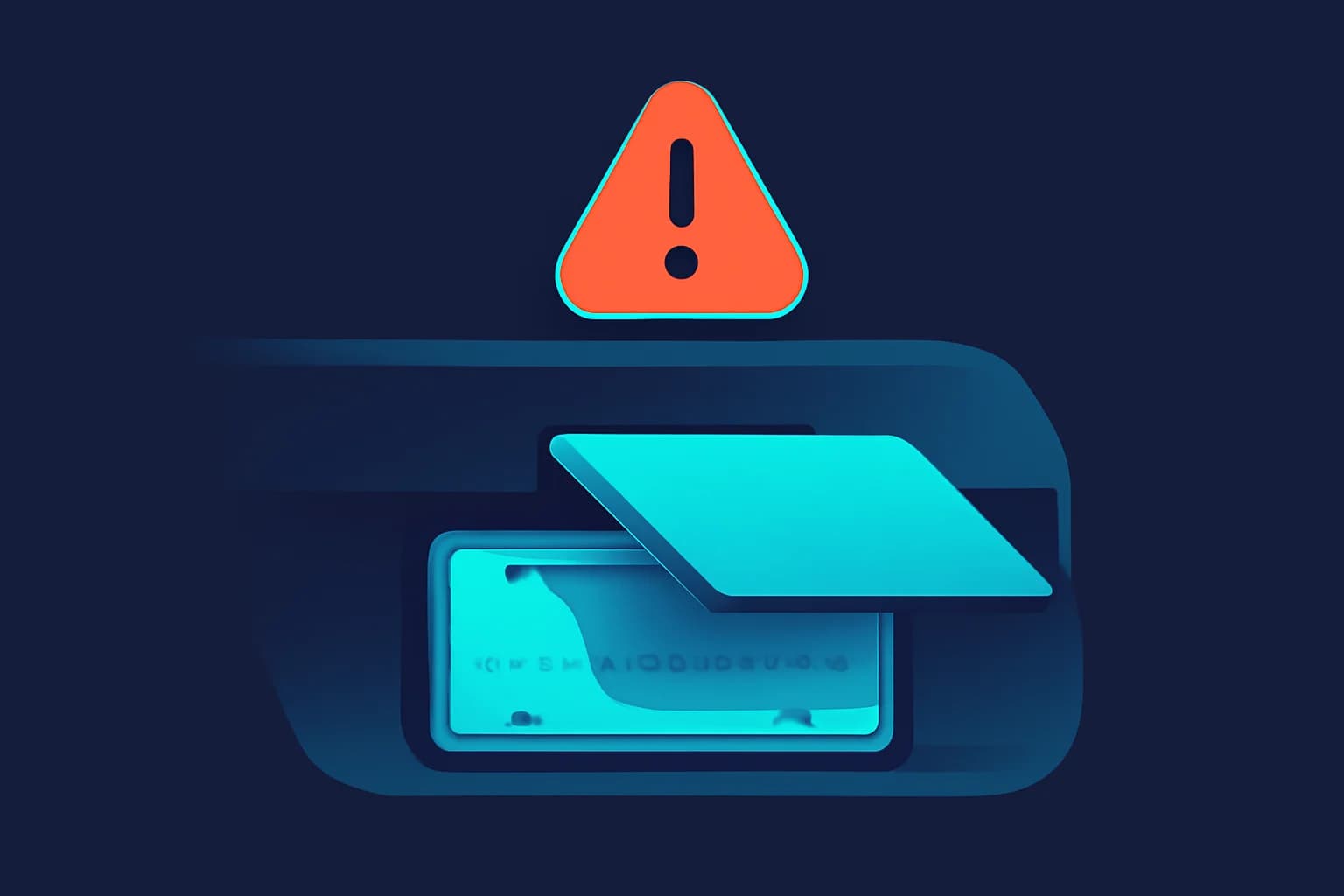
A license plate concealer device — a button-operated flip cover, a motorized rotating panel, or a spray-on anti-camera coating — is illegal in nearly every place that has passed a law addressing it. These products are sold online as "privacy" accessories, but regulators from California to the UK to India classify them the same way: tools built to defeat automated enforcement cameras, toll systems, and officers trying to read a plate. If you're weighing whether to install one, the short answer across most major jurisdictions is no — and the fines have gotten steeper in 2025 and 2026 as states and regulators close loopholes in older laws.
There's a separate, entirely legal question hiding inside this topic: keeping a license plate out of a video or photo you're about to publish. That's not concealment — it's redaction, and it's a routine privacy step for anyone posting dashcam clips, security footage, or street photography. This guide covers what's actually illegal, what the penalties look like by jurisdiction, and how to protect plate privacy in published content the right way, with BGBlur's automated blur tools.
TL;DR: License Plate Concealer Devices at a Glance
| Question | Answer |
|---|---|
| Are concealer devices (flippers, covers, sprays) legal? | No, in the US, UK, and India — banned or restricted almost everywhere with an applicable statute |
| California fine (2026)? | $250 for using one, up to $1,000 per item for manufacturing/selling (AB 1085) |
| UK fine? | £100 fixed penalty, up to £1,000 in court, vehicle seizure for repeat offenses |
| India fine? | ₹5,000–₹10,000 under MoRTH's December 2018 rule |
| Florida fine? | Up to 60 days jail / $500 for driving with one; up to 5 years if used during another crime |
| Is blurring a plate in a video I publish illegal? | No — that's digital redaction of footage, not concealment on the road, and it's the privacy-compliant approach |
| Does BGBlur help with this? | Yes — it detects and blurs plates in uploaded video/photos automatically, for publishing, not for evading traffic cameras |
What Exactly Counts as a License Plate Concealer Device?
A concealer device is any aftermarket product engineered to hide, distort, or block a plate on command — as opposed to accidental obstruction from dirt, a bent frame, or a cracked cover. The most common types sold online:
- Button-operated flip covers — a motorized panel that rotates over the plate at the press of a remote or dashboard switch, usually marketed for "privacy in parking lots" but functionally identical to what enforcement agencies call a flipper.
- Tinted or smoked acrylic shields — plastic covers that reduce contrast enough to defeat automated license plate recognition (ALPR) and speed cameras while sometimes remaining readable to the naked eye at close range.
- Spray-on infrared-reflective coatings — products claiming to "blind" a camera's infrared flash without visibly altering the plate, aimed specifically at defeating red-light and toll cameras.
- Electromagnetic or ghost plate covers — higher-end devices that reflect a camera's flash back at the lens, overexposing the captured image so the plate reads as blank or blurred in the photo.
Regulators don't generally distinguish between these by mechanism — they test for the outcome: does the device reduce legibility or camera readability below the legal standard? If yes, it's treated as a violation regardless of how the manufacturer markets it.
Is a License Plate Flipper Legal in California?
No. Under California Vehicle Code § 5201, plates must stay "clearly visible and legible," and using a cover or flipper has been illegal in the state since 2008. What changed in 2026 is enforcement teeth: Assembly Bill 1085, authored by Assemblymember Catherine Stefani and signed by the governor on October 1, 2025, explicitly bans any "casing, shield, frame, border, shade, tint, product, or other device" that obstructs a plate from law enforcement cameras, toll equipment (like FasTrak), or remote emissions sensors, effective January 1, 2026.
The bill sets two separate penalty tiers:
- Using a prohibited device: $250 fine per violation
- Manufacturing or selling one: $1,000 fine per item
Lawmakers pointed to a documented link between flippers and toll evasion, hit-and-run incidents, and vehicle theft as the reason for tightening the law — over 200 California jurisdictions, including LA County Sheriff's Department and CHP's real-time ALPR network, already flag obscured plates for officer review.
Is It Illegal to Hide Your License Plate in Florida, Colorado, or New York?
Yes — most US states with an applicable statute treat any obscuring cover the same way, though penalties vary widely:
- Florida: Since House Bill 253 took effect October 1, 2025, any device that blocks, covers, distorts, or "even slightly obscures" a plate is illegal under Florida Statute § 320.061. Knowingly driving with an obscured plate is a second-degree misdemeanor — up to 60 days in jail or a $500 fine. Manufacturing or selling a blocking device is a first-degree misdemeanor (up to one year in jail), and using one while committing or fleeing a crime escalates the charge to a third-degree felony carrying up to five years in prison.
- Colorado: Affixing a tinted screen or cover over a plate is a class B traffic infraction carrying a $100 fine.
- New York, Illinois, Washington, Texas: Each maintains statutes requiring plates to stay legible to both officers and electronic readers; covers that defeat automated tolling or red-light cameras are a common target of recent legislative updates as more states pass flipper-specific bans similar to California's.
The pattern across all of these: a clear, unmodified plate is the legal baseline everywhere in the US, and any product marketed to intermittently hide it — no matter how it's framed — sits outside that baseline.
Is Hiding a Number Plate Illegal in the UK?
Yes. Under Regulation 10 of the Road Vehicles (Display of Registration Marks) Regulations 2001, a plate must stay continuously clear, unobstructed, and fully readable by both human observers and Automatic Number Plate Recognition (ANPR) cameras, in all weather and lighting conditions, at all times. Tinted covers, smoked acrylic frames, spray-on "anti-camera" film, and even heavy mud buildup can all breach this regulation if they reduce ANPR readability.
Enforcement is active nationwide. A driver caught with an obscured plate faces an on-the-spot £100 fixed penalty notice; a contested case that goes to court risks a fine of up to £1,000. There are no penalty points attached to a plate-obscuring offense specifically, but the DVLA can suspend a vehicle's tax (VED) until the issue is resolved, and repeated violations can trigger seizure under Section 165A of the Road Traffic Act 1988.
For the broader UK privacy-law context around filming and publishing plates — as opposed to concealing them on the road — see our UK GDPR guide to face and license plate blurring.
What's the Fine for a Registration Plate Concealer in India?
India regulates this under the Motor Vehicles Act, 1988 and its rules. Section 39 requires every vehicle to carry a valid registration displayed clearly, and Rule 50 of the Central Motor Vehicle Rules (CMVR) requires the plate to be permanently affixed and easily readable at both front and rear. In December 2018, the Ministry of Road Transport and Highways (MoRTH) introduced a specific rule targeting concealment hardware: anyone found with a number plate concealer device installed faces a fine of ₹5,000 to ₹10,000.
Enforcement has continued into 2026. Regional traffic police and RTO teams have used dashcam and CCTV footage circulating on social media to trace vehicles fitted with button-operated concealers and issue fines after physically confirming the device — a reminder that installing one doesn't make a vehicle untraceable, since license and registration records still tie the vehicle to its owner once a manual check occurs.
It's worth noting the legal ceiling here: the Supreme Court of India has held that concealing a number plate is a Motor Vehicles Act violation, not a criminal offense of cheating, as reported by LiveLaw — meaning it carries a regulatory fine rather than a criminal record, but the fine itself is not optional. For the broader India video-privacy landscape, see our DPDP Act 2026 guide to video privacy and plate blurring.
Why Are Plate Concealer Devices Banned Almost Everywhere?
Three reasons show up consistently across US, UK, and India lawmaking:
1. They defeat automated enforcement
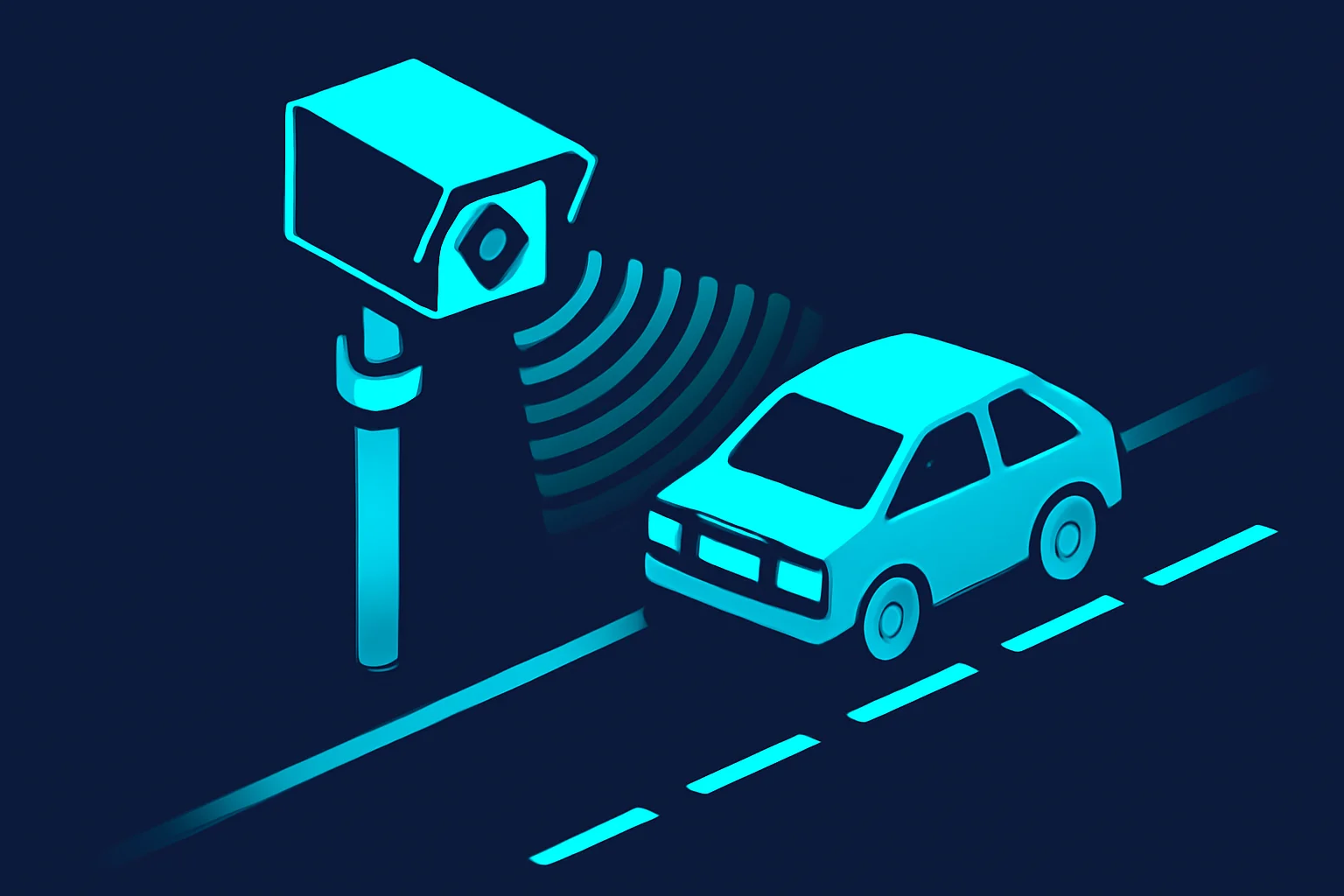
Speed cameras, red-light cameras, and toll transponders all rely on optical or RFID reads of a fixed, legible plate. A concealer device — especially one triggered by a button or remote — exists specifically to break that chain at the moment enforcement would otherwise capture the vehicle.
2. They're linked to crime, not just privacy
Regulators across jurisdictions cite the same pattern: flippers and covers show up disproportionately on vehicles involved in toll evasion, hit-and-runs, and theft, because the same feature that defeats a toll camera also defeats a getaway-vehicle description. That's the stated rationale behind California's AB 1085 and Florida's HB 253 alike.
3. Registration has to mean something
A license plate is a public identifier tied to vehicle ownership and insurance. Every jurisdiction covered here treats a permanently legible plate as a baseline condition of being allowed to drive — not an optional feature a driver can toggle off.
The Legal Alternative: Blurring Plates in Footage You Publish
None of the laws above touch what you do with a plate after it's already been recorded — in a dashcam clip, security camera footage, or a photo you're about to post. Blurring, pixelating, or redacting a plate in that footage doesn't alter the physical vehicle, doesn't interfere with a camera reading it in real traffic, and doesn't evade an officer or a toll system. It's a privacy step applied to content you control, which is exactly the kind of processing that GDPR, CCPA, and similar frameworks recommend before publishing footage that shows an identifiable third party's vehicle. Our guide to whether showing plates on social media is illegal covers that publishing-side question in more depth.
✅ Automated Plate Detection
BGBlur's AI scans uploaded video and photos frame by frame to locate license plates automatically — no manual masking or frame-by-frame editing. It handles moving plates in dashcam and drive-by footage with motion tracking, so the blur stays locked to the plate even as the vehicle moves through the frame.
✅ Browser-Based, No Physical Device Involved
Everything runs client-side at bgblur.com — there's no hardware to install on a vehicle, nothing that interacts with a camera's optics, and no product that could be mistaken for a concealment device by a traffic officer or an RTO inspector. The blur exists only in the exported video or image file.
✅ Privacy-Safe Processing
Uploaded files are deleted within 24 hours, with no permanent storage — relevant for anyone processing dashcam archives, security footage, or FOIA-adjacent video that includes bystanders' vehicles.
How to Blur License Plates in Video Before You Publish It
- Upload your footage. Go to bgblur.com and drag in your dashcam, security camera, or phone video (MP4, MOV, or M4V, up to 4K).
- Select license plate blur. Choose the license plate detection mode; BGBlur's AI locates plates automatically and tracks them across frames as the vehicle or camera moves.
- Preview and adjust. Check the preview to confirm plates are fully covered, especially at odd angles or partial visibility near frame edges.
- Export. Download as MP4, MOV, or WebM. The original upload is deleted from BGBlur's servers within 24 hours.
For a deeper walkthrough covering faces and plates together in dashcam-specific footage, see our dashcam face and plate blurring guide.
Concealer Device vs. Digital Blur: Side-by-Side
| Factor | Physical Concealer Device | Digital Plate Blur (BGBlur) |
|---|---|---|
| Legal status | Illegal in most jurisdictions (CA, FL, UK, India covered here) | Legal — applied to your own footage before publishing |
| Affects real-time traffic cameras/officers | Yes — that's the point | No — footage is already recorded, camera already saw the plate |
| Where it applies | Physically installed on the vehicle | Applied to exported video/photo files only |
| Typical penalty | $100–$1,000+ fines, jail time in aggravated cases | None — it's a privacy best practice |
| Use case | Marketed as "privacy," functions as camera/toll evasion | Genuine privacy redaction for published content |
Who Actually Needs Legal Plate Redaction
Dashcam and fleet owners: Publishing a crash clip or road-rage incident often means other drivers' plates are visible. Blurring them before posting avoids exposing bystanders' vehicle identities.
Content creators and vloggers: Street footage, car-review videos, and travel vlogs regularly capture parked or passing vehicles with legible plates in the background.
Real estate agents: Listing walkthrough videos often include driveway shots with a homeowner's or neighbor's plate visible.
Security and retail teams: CCTV footage shared for incident reports or insurance claims frequently needs plates and faces of uninvolved third parties redacted before wider distribution.
Honest Limitation
BGBlur is built for individual creators, small businesses, and teams processing footage before publishing — not for law enforcement body-cam archives at scale or high-volume automated redaction pipelines running against thousands of hours of footage. For that workload, purpose-built enterprise platforms like Axon Evidence may be a better fit; our best video redaction software comparison breaks down that trade-off further.
Frequently Asked Questions
Is a license plate concealer device illegal? Yes, in nearly every jurisdiction that has addressed it. In California, using a flip cover, tinted shield, or any obstruction device violates Vehicle Code § 5201, and Assembly Bill 1085 (effective January 1, 2026) adds a $250 fine for use and up to $1,000 per item for manufacturing or selling one. Florida, the UK, and India all carry similar bans with fines ranging from $100 to $500 or more.
What is a license plate concealer device? It's any aftermarket product designed to hide, distort, or block a license plate from view on demand — usually a button-operated flip bracket, a motorized rotating panel, a tinted or smoked acrylic cover, or a spray-on infrared-reflective coating. Regulators treat all of these as functionally the same violation: defeating automated plate readability.
Why did California ban license plate flippers in 2026? Assembly Bill 1085 closes a loophole where flipper sellers argued their product wasn't explicitly named in the old statute. It bans any device that obstructs a plate from law enforcement cameras, toll equipment, or emissions sensors, citing links between flippers and toll evasion, hit-and-runs, and vehicle theft.
What's the fine for using a number plate concealer in India? India's Ministry of Road Transport and Highways set a fine of ₹5,000 to ₹10,000 for installing a number plate concealer device, under a December 2018 rule tied to the Motor Vehicles Act, 1988. The Supreme Court has held that concealing a plate is a Motor Vehicles Act violation, not a criminal offense.
Is it illegal to obscure your number plate in the UK? Yes. Regulation 10 of the Road Vehicles (Display of Registration Marks) Regulations 2001 requires plates to stay continuously clear and ANPR-readable. Violations carry an on-the-spot £100 fixed penalty, with court fines up to £1,000.
Can I legally black out my license plate in photos or videos I post online? Yes — that's digital redaction of your own footage, not concealment on the road, and it doesn't interfere with cameras or officers in real traffic. BGBlur's license plate blur handles this automatically for uploaded video and photos.
Do tinted license plate covers count as concealer devices? Often yes, even when marketed as cosmetic. Florida's HB 253 makes it a second-degree misdemeanor to drive with any tinted, smoked, or clear plastic cover that obscures even part of a plate. The legal test is whether it measurably reduces legibility or camera readability.
What happens if a concealer device is used while committing another offense? Penalties escalate sharply. In Florida, using a plate-obscuring device while committing or fleeing a crime turns the offense into a third-degree felony carrying up to five years in prison.
Key Takeaway
License plate concealer devices — flip covers, motorized panels, tinted shields, anti-camera sprays — are illegal or heavily restricted almost everywhere they've been legislated, with fines from $100 in Colorado up to felony charges in Florida when tied to another crime. Installing one on a vehicle doesn't make the plate legally invisible; it makes the vehicle a target for the exact enforcement scrutiny the device was meant to avoid. If the actual goal is keeping a plate out of footage you're publishing — a dashcam clip, a security recording, a travel video — that's a solved, entirely legal problem: digital redaction. Try BGBlur's automated license plate blur to handle it in minutes, without touching the vehicle itself.