Recording consent on camera shouldn't expose everyone else in the room
One-click alternative with BGBlur
Upload a clip and preview automatic face, plate, background, or prompt-based blur—no keyframes or nested timelines.
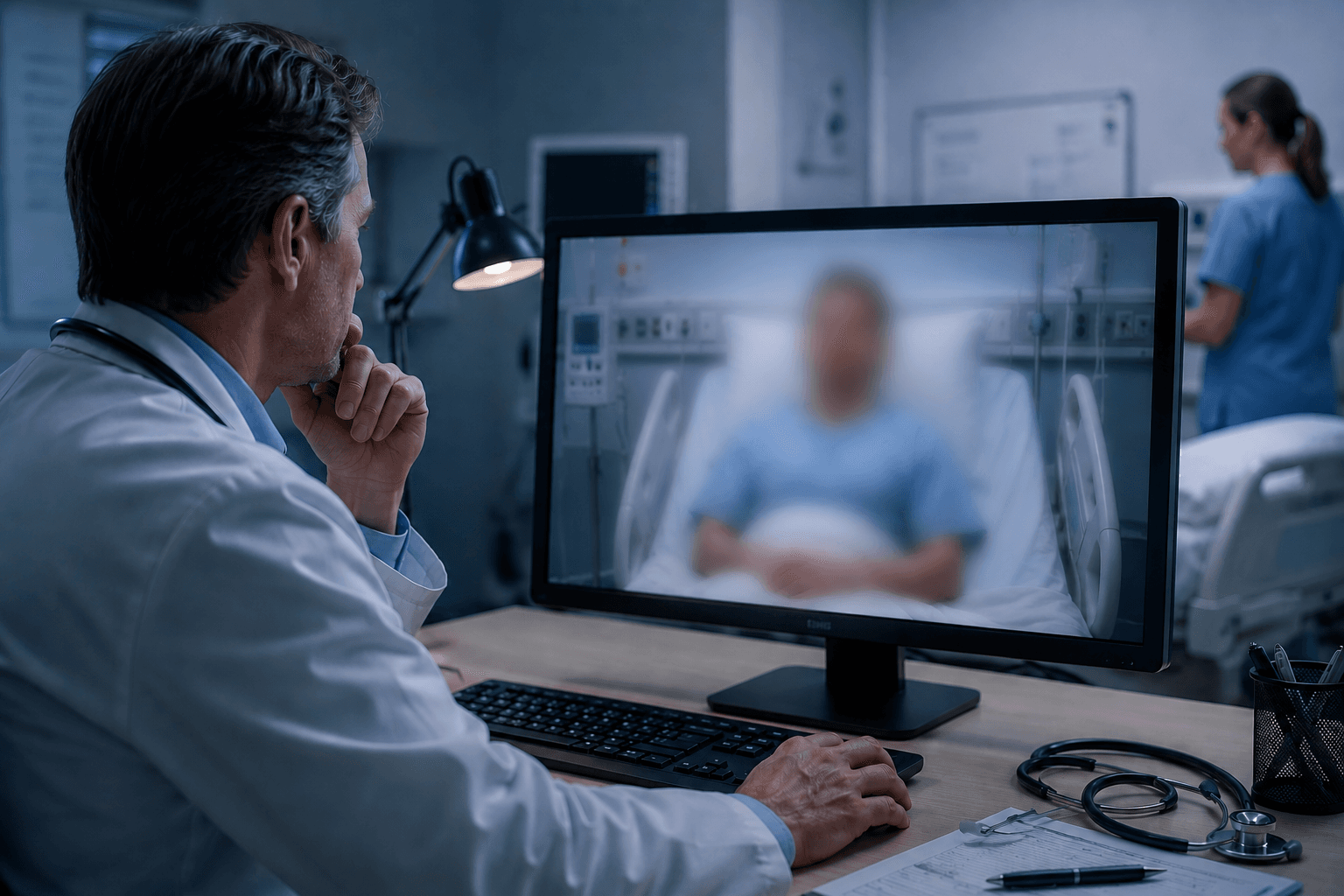
Clinics increasingly record the informed-consent conversation itself — for high-risk procedures, for research enrollment, or simply as a documentation standard that protects both patient and provider if a dispute arises later about what was disclosed. It's a sound practice: a recorded conversation is far better evidence of what was actually explained than a signature on a form. The camera, though, is running in a real clinical space, and that space usually isn't cleared for the recording — a nurse steps in to check a chart, another patient is visible through a half-open door, a family member of someone else's patient walks past in the hallway shot.
None of those incidental people are part of the consent conversation the recording exists to document. They're bystanders caught by a camera pointed at someone else's clinical moment, and their appearance in the file creates exactly the kind of exposure the consent-recording practice was never meant to introduce. Blurring them before the file is stored or reviewed resolves the tension without changing how or where the conversation is recorded.

Why this cuts against the instinct to leave the recording untouched
The natural caution with a consent recording is to leave it completely unedited — it's evidentiary, and altering evidentiary material feels risky. That instinct is right about the substance of the recording (the conversation itself must stay intact, unedited, and complete) but it doesn't need to extend to people who appear incidentally and have nothing to do with what the recording documents. Masking a bystander's face in the background doesn't touch the audio, the patient's statements, the clinician's disclosures, or the timeline — it removes an identity that was never part of the record's purpose.
Treat it the same way you'd treat any redaction of a legal or clinical record: the substantive content is preserved exactly, and only the incidental identifying detail that falls outside the record's purpose is masked. Keep the fully unedited original in secure storage as the authoritative version; the de-identified copy is what circulates for broader internal review or storage in a less tightly controlled location.
Where bystanders typically show up in a consent recording
Most exposure happens at the edges of the frame and the edges of the conversation: staff entering or exiting during setup, a hallway visible through a doorway, a shared pre-op or consult space where another patient's bed or chair is in view, or a family member of a different patient crossing behind the camera. The consent conversation itself is usually just two or three people talking directly to camera or to each other — the incidental exposure comes from the room around them.
A quick review pass before filing — scrubbing the first and last thirty seconds where setup and departure happen, and any moment the camera catches the background through an open door — usually finds the bulk of the exposure. Selective or automatic face blur handles the rest without requiring a frame-by-frame manual review.
- Setup and departure moments: highest risk for staff or other patients entering frame.
- Shared-space backgrounds: hallways, waiting areas, multi-bed pre-op rooms visible through doors.
- Core conversation: usually just the patient and consenting clinician — low bystander risk.
Storage, review, and who gets access
Consent recordings often need broader internal access than a typical chart note — risk management, legal, or a quality committee may need to review them, sometimes well after the original encounter. Each additional reviewer is another person seeing whoever else was caught in frame, which compounds the original exposure rather than staying contained to it.
Producing a de-identified review copy alongside the preserved original lets broader internal review happen without multiplying the number of people who've seen an uninvolved staff member or patient on camera. The original stays available, untouched, for the narrower set of people who need the complete, unedited record.
From recorded consent conversation to a reviewable file
- Record the conversation as normal. Keep your existing consent-recording setup and process unchanged.
- Preserve the original. Store the complete, unedited recording as the authoritative record under your retention policy.
- Upload a working copy. Process a duplicate in BGBlur's browser editor for the review-copy pass.
- Blur incidental bystanders. Mask staff or other patients caught in the background at setup, departure, or through open doors — the core conversation stays untouched.
- Circulate the review copy. Use the de-identified derivative for risk-management, legal, or quality review; keep the original restricted to those who need the complete record.
Note: Video capturing an identifiable, uninvolved patient or staff member is protected health information regardless of whether they were the intended subject of the recording. De-identifying incidental bystanders reduces exposure as consent recordings circulate for broader internal review — check specific retention and access requirements with your compliance office.
Related guides
Frequently asked questions
- Does blurring bystanders weaken the recording as evidence of informed consent?
- No — the substance being documented is the conversation between patient and clinician: what was disclosed, what was asked, what was agreed. Masking an uninvolved person's face in the background doesn't alter the audio, the statements, or the timeline of that conversation.
- Should we blur the patient or the consenting clinician?
- Generally no — they're the direct parties to the record the recording exists to document. The concern is people who appear incidentally and aren't part of the consent conversation.
- Do we need to keep the fully unedited original?
- Yes — preserve the complete, untouched recording as the authoritative record. The de-identified version is a review or storage copy for broader internal access, not a replacement for the original.
- What if risk management or legal needs the unedited version?
- Keep it available to them specifically — the point of a de-identified review copy is to widen internal access without widening exposure of uninvolved bystanders, not to restrict the people who genuinely need the complete record.
- Can we apply this across a backlog of past consent recordings?
- Yes — batch processing lets you run the same bystander-blur pass across a folder of existing recordings rather than reviewing and editing each one individually.
BGBlur provides privacy tooling for creators and teams; consult counsel for broadcast, evidentiary, or regulated workflows.