FOIA video redaction: releasing footage without releasing identities
One-click alternative with BGBlur
Upload a clip and preview automatic face, plate, background, or prompt-based blur—no keyframes or nested timelines.
Every records officer knows the shape of the problem: a request lands for bodycam footage, lobby CCTV, or a recorded public meeting. The footage is releasable — but only after exempt material is removed: uninvolved bystanders' faces, minors, victims, license plates, computer screens showing case data, sometimes officers' or employees' identities depending on the statute. Federal FOIA's privacy exemptions (6 and 7(C)) and their state-law equivalents make the redaction mandatory, not optional.
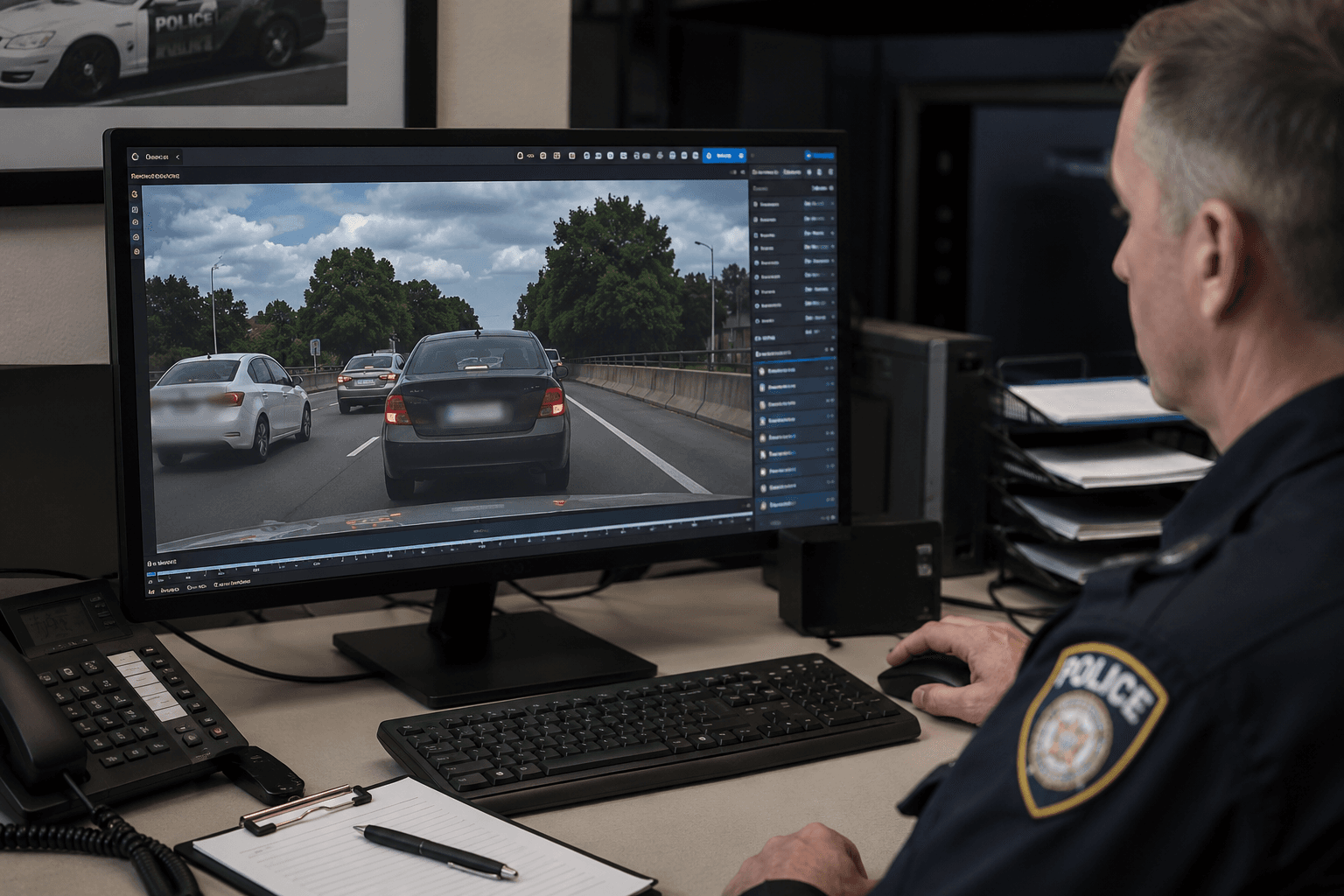
Manual video redaction is why release backlogs exist. Frame-by-frame masking of a ten-minute clip can consume a day of specialist time, and most records offices don't have a video specialist at all. Automated detection and tracking collapses that day into an hour of review — which is the difference between meeting a 20-business-day deadline and negotiating extensions on every video request.
What the exemptions require you to remove
The recurring redaction categories in released video: identifiable uninvolved third parties (the strongest privacy-exemption case), minors (near-absolute in most regimes), victims and witnesses (especially where retaliation is plausible), license plates and home addresses, and on-screen data — CAD terminals, dispatch screens, and paperwork visible in frame routinely leak case information no exemption analysis approved.
The determination of what to redact belongs to the records officer and counsel under your statute; the categories above are where nearly every determination lands. The tool's job is executing the determination without frame leaks.
- Bystander and minor faces — blurred through motion, crowds, and occlusion.
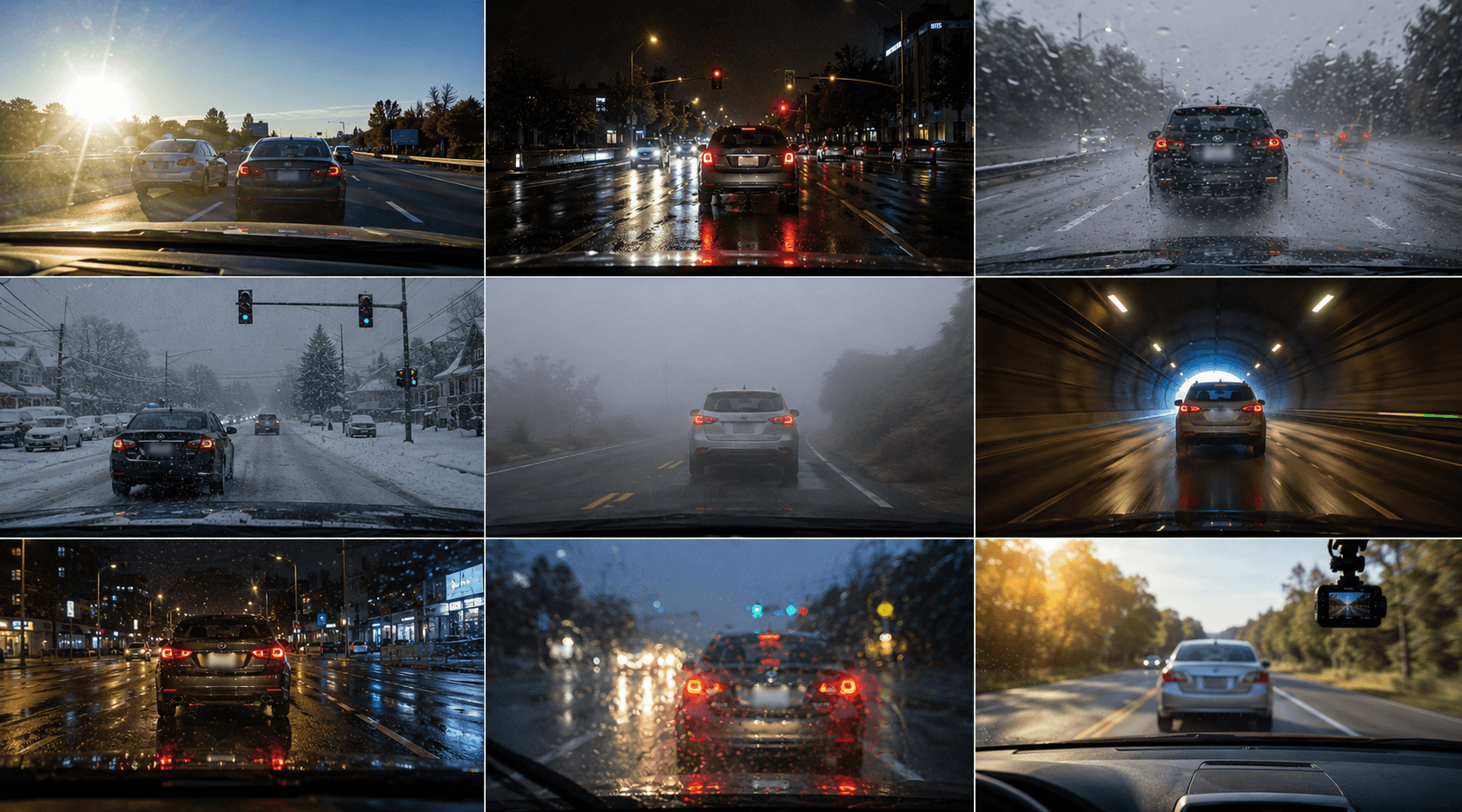
- Plates and addresses — automatic detection on body-worn, dash, and fixed cameras.
- Screens and documents — region blur for terminals and paperwork in frame.
- Audio — names, addresses, and medical details spoken on tape need a parallel pass.
A release workflow that survives appeal
Released redactions get scrutinized — by requesters, by news organizations, and on appeal. The defensible workflow mirrors evidence handling: the original stays untouched in the records system; redaction runs on a working copy; a reviewer scrubs every redacted subject's appearances before release; and the office logs what was redacted under which exemption. A redaction log turns a challenge from a scramble into a lookup.
Frame consistency is the technical standard appeals hinge on: a mask that drops for even a few frames has disclosed the exempt material. Automated tracking with re-acquisition after occlusion — plus the human QC pass — is what keeps a release defensible.
Bodycam releases: the volume case
Body-worn camera statutes in many states set explicit release timelines, and a single incident can involve hours of footage from multiple officers. This is where batch processing earns its keep: apply the same redaction policy (all civilian faces, all plates, all screens) across every file from the incident, then spend human time on review rather than masking.
The same pattern serves proactive transparency programs — departments publishing footage on their own schedule can make anonymized release the default output of the evidence pipeline instead of a special project.
Public meetings, schools, and the long tail
The records-act video problem extends past law enforcement: school districts receive requests for hallway and bus footage (student privacy under FERPA intersects here), transit agencies for platform CCTV, city halls for recorded meetings where attendees didn't expect broadcast. Each follows the same logic — releasable record, exempt identities, redaction as the gate — and the same anonymization workflow serves them all.
Request to release
- Locate and copy. Pull responsive footage; preserve originals untouched in the records system.
- Determine exemptions. Records officer/counsel decide what must be redacted under your statute.
- Run automated redaction. Faces, plates, and screens masked with tracking across the full duration; batch multi-file incidents.
- Reviewer QC pass. Scrub every redacted subject's appearances; fix any leak before release.
- Release and log. Deliver the redacted copy; record exemptions applied, reviewer, and date for appeal defense.
Note: Federal FOIA Exemptions 6 and 7(C) shield personal-privacy material in released records, and most state acts have equivalents; several states additionally set explicit bodycam release timelines. Redaction obligations and officer-identity rules vary by jurisdiction — this page is workflow guidance, not legal advice.
Related guides
Frequently asked questions
- Can we deny a video request because redaction is too burdensome?
- Statutes vary, but 'too hard to redact' is a weak and shrinking argument — courts increasingly expect agencies to use reasonably available technology to segregate exempt from non-exempt material. Automated redaction removes the burden defense's factual basis and, more usefully, the burden itself.
- Do we redact officers' faces too?
- Jurisdiction-specific: some states protect officer identities in certain contexts (undercover, ongoing investigations); others treat on-duty officers as non-exempt. Your counsel's determination drives the mask list — the tool applies whichever policy is set.
- What about the audio track?
- Spoken names, addresses, dates of birth, and medical details are exempt material too. Plan an audio pass (mute/bleep segments) alongside the visual redaction; the QC reviewer should check both channels.
- How do we handle hours of multi-camera bodycam footage?
- Batch processing applies one redaction policy across all files from an incident, so specialist time goes to review rather than manual masking. This is how offices meet statutory bodycam release timelines.
- Does the original footage stay intact?
- Always. Redaction runs on a working copy and outputs a new file; the original remains preserved in your records/evidence system for retention and appeal purposes.
BGBlur provides privacy tooling for creators and teams; consult counsel for broadcast, evidentiary, or regulated workflows.