Body camera footage redaction for law enforcement
Police body-worn camera redaction: blur faces, minors, victims, medical info, and sensitive scenes for public records compliance.
Body-worn cameras (BWCs) are standard in 80% of large U.S. police departments, but public records laws require redaction before release: victim privacy, juvenile protection, medical scenes, and undercover officer safety all demand careful blur before FOIA fulfillment.
Redact body camera footage for FOIA and public records in three steps
Built for police departments, public records officers, and law enforcement agencies managing high-volume redaction requests.
Ingest BWC footage
Import body-worn camera recordings requiring public release or court submission.
Apply blur and manual review
Run automatic face blur, then manually review for minors, victims, medical info, and interior scenes per state law.
Export redacted version
Download the redacted file with audit log and retain the unredacted original per retention schedule.
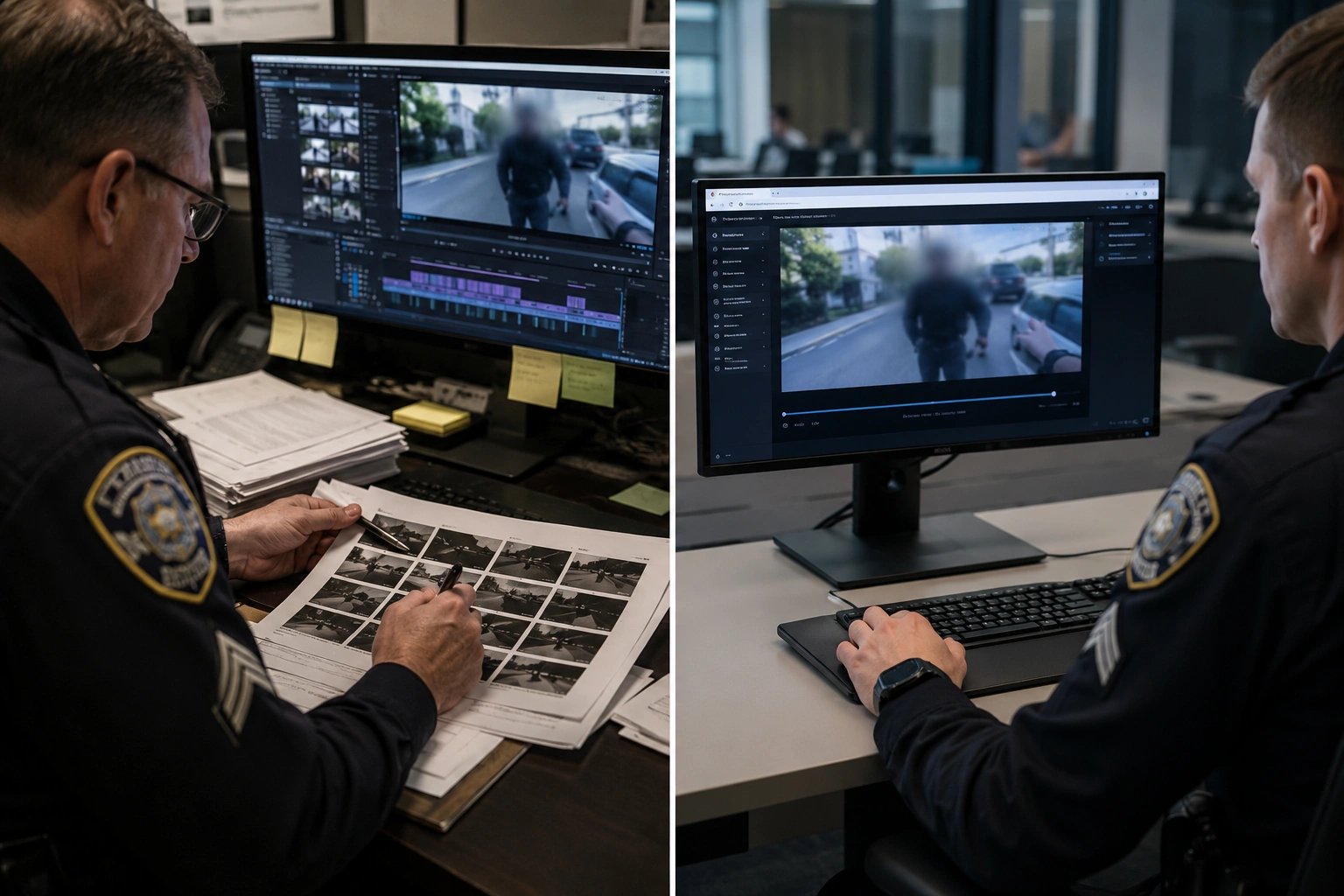
What this example demonstrates
Manual redaction averages 8:1 time ratio (8 hours of work per 1 hour of footage)—unsustainable for departments facing hundreds of requests annually. AI-assisted blur reduces that to 1:1 or better for routine cases.
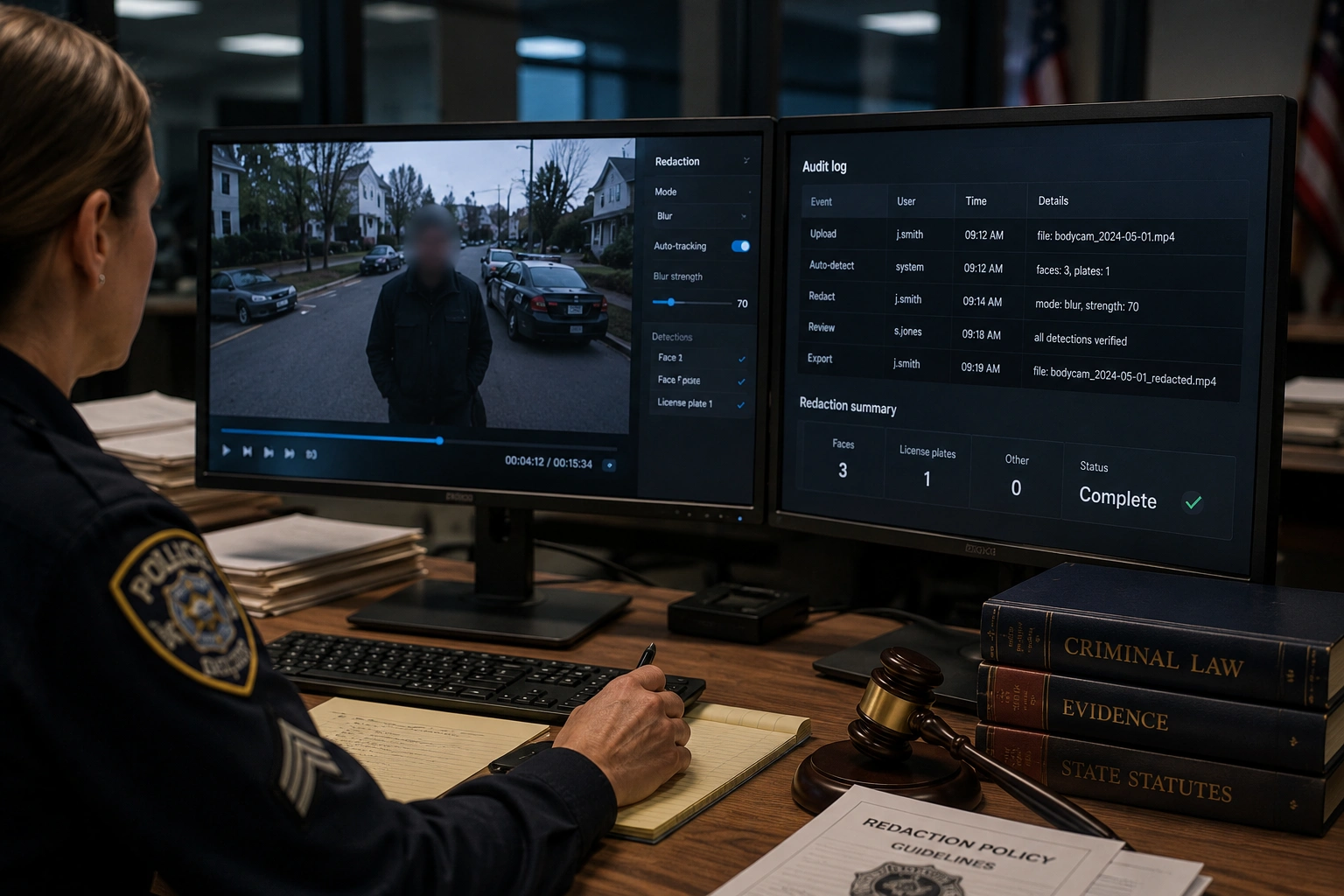
Why teams use this pattern
Proper redaction balances transparency with privacy: over-blur erodes public trust, under-blur violates state laws and exposes victims. Consistent, auditable workflows are essential for accountability.
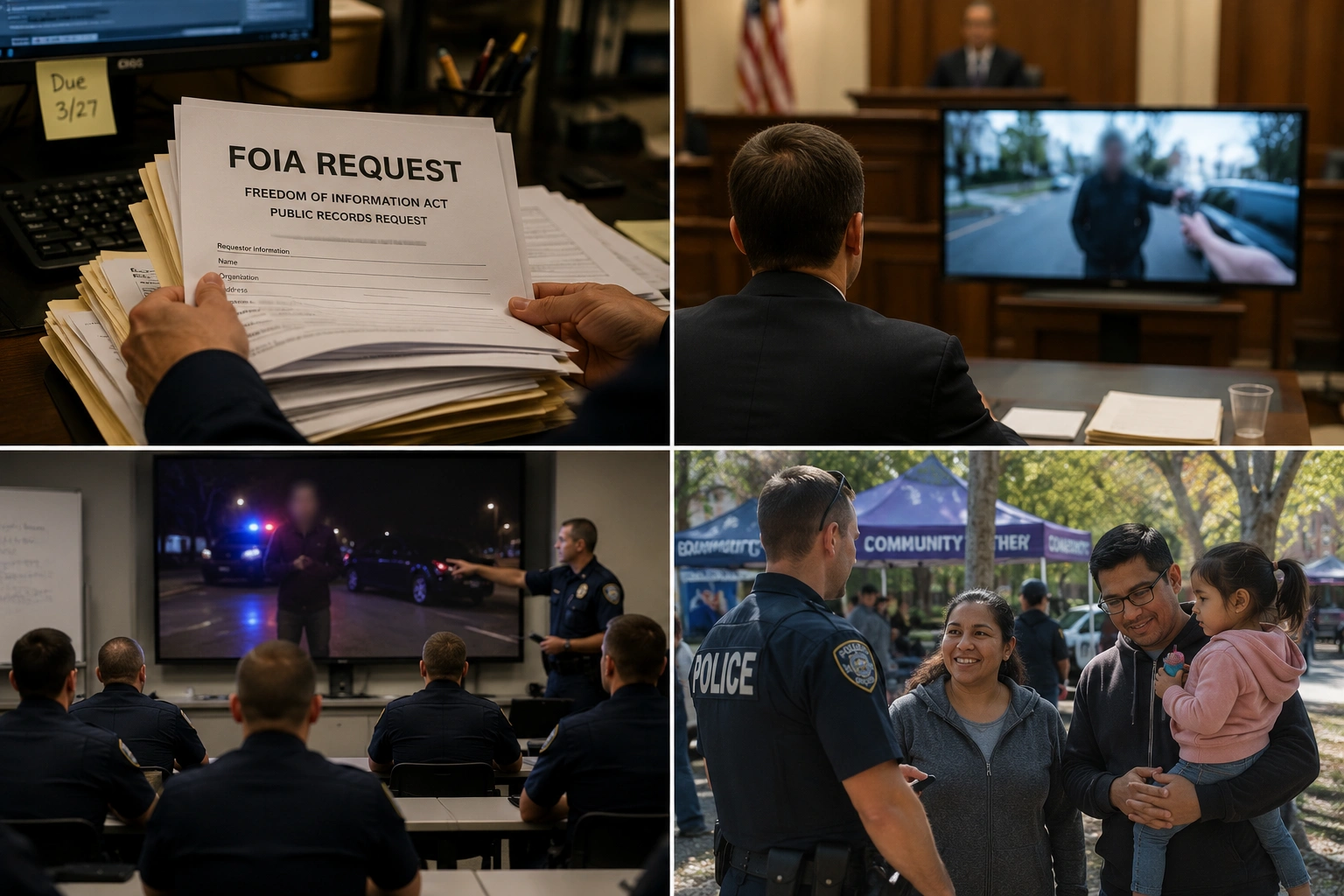
Common use cases
Teams reach for this workflow when foia public records requests for incident footage; court evidence with witness identity protection; training videos with sensitive subject matter; community engagement releases showing police interactions. BGBlur automates detection so these scenarios stay publishable without days in a timeline.
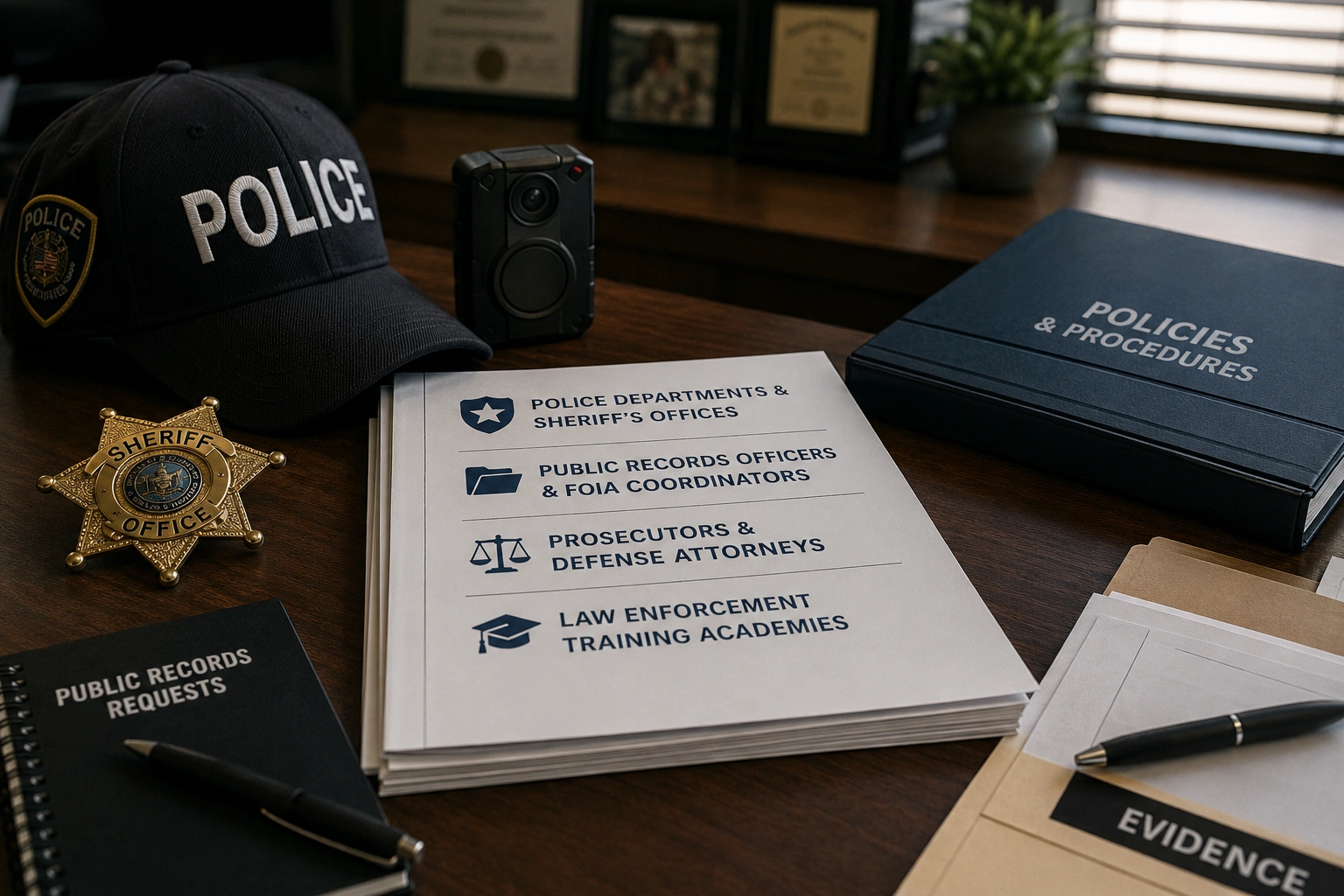
Built for Police departments and sheriff's offices and Public records officers and FOIA coordinators
Ideal audiences include Police departments and sheriff's offices, Public records officers and FOIA coordinators, Prosecutors and defense attorneys, Law enforcement training academies. Pair this example with your policy review when footage is sensitive or public-facing.
Use cases
- FOIA public records requests for incident footage
- Court evidence with witness identity protection
- Training videos with sensitive subject matter
- Community engagement releases showing police interactions
Who it's for
- Police departments and sheriff's offices
- Public records officers and FOIA coordinators
- Prosecutors and defense attorneys
- Law enforcement training academies
More video blur examples
Explore similar scenarios with the same demo clips and step-by-step guidance.
GDPR video compliance blur & redaction
EU privacy-compliant video blur for faces, plates, and PII—technical measures supporting GDPR Article 5 data minimization.
Face blur in talking-head video
Automatic face detection and blur for interviews, podcasts, and vlogs—motion-tracked so identities stay protected.
News & documentary anonymization patterns
Protect witnesses and vulnerable subjects while preserving editorial context—blur and anonymization in one pipeline.
Blur anything: logos, text & custom regions
Target arbitrary areas—logos on hoodies, on-screen addresses, signage—with precise AI-assisted selection.
Frequently asked questions
- What must be redacted in body camera footage?
- State laws vary, but common requirements include juvenile faces, crime victims, medical/mental health scenes, confidential informants, and home interiors—always consult your agency counsel.
- Can AI replace human review for redaction?
- No—AI accelerates detection, but human review is mandatory for legal defensibility, edge cases, and policy compliance; budget 10-20% of original manual time for QC.
- How do we handle audio redaction alongside video blur?
- Many jurisdictions require audio redaction (names, addresses, medical info); video blur handles pixels only—use separate audio scrubbing or beep tools for voice redaction.
Ready to try this on your footage?
Upload MP4, MOV, or M4V and apply the same blur modes shown in this example.
Try BGBlur free