Share Physiotherapy Videos Without Privacy Issues [2026]
Physiotherapy clinics and parents both film treatment sessions, but publishing that footage without blurring risks exposing patient identity, therapist identity, and bystanders under HIPAA and GDPR. This guide gives clinics and parents a practical, step-by-step de-identification workflow.
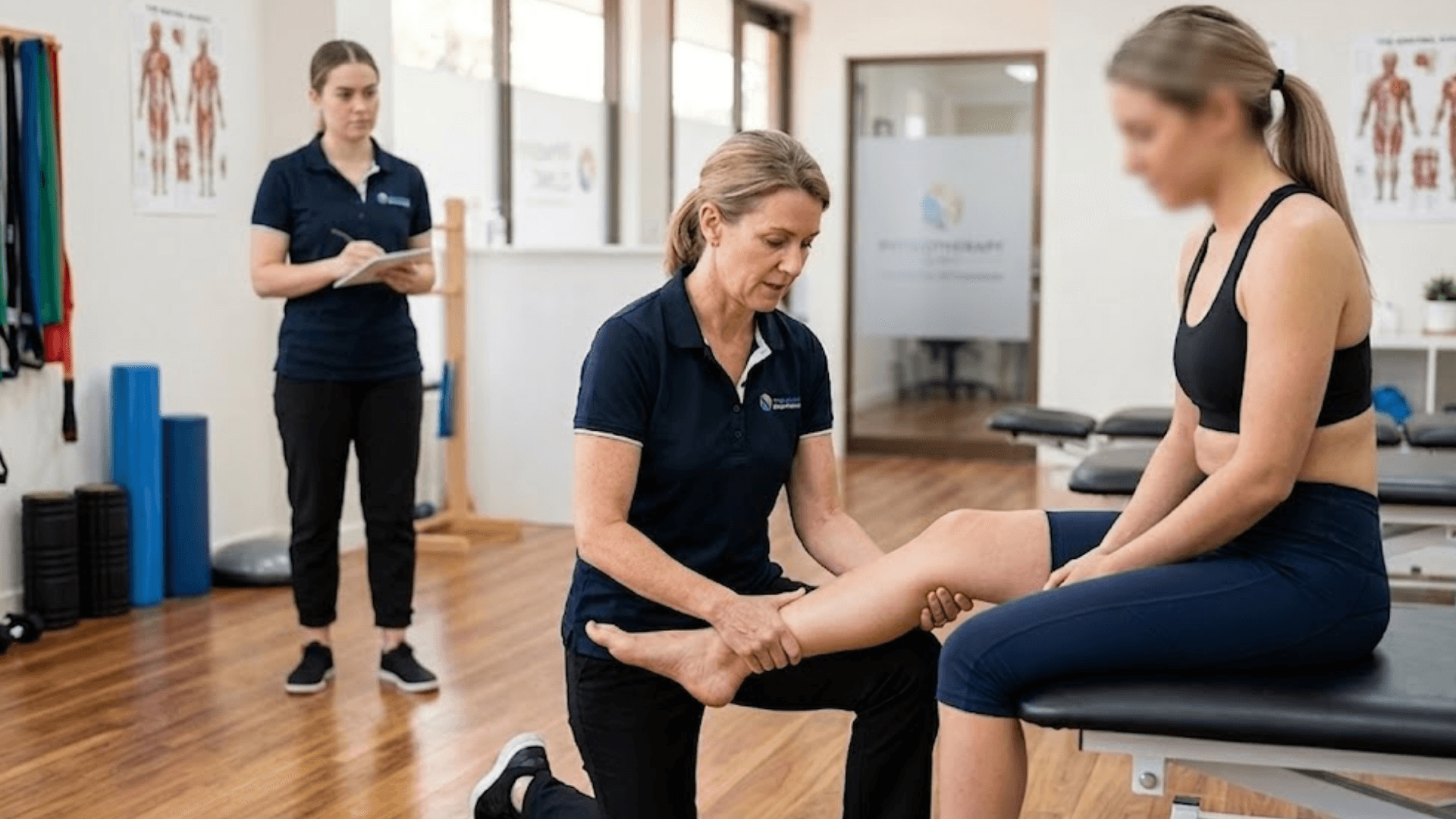
Physiotherapy content is everywhere on YouTube and Instagram — exercise demos, treatment techniques, patient progress stories, home program reminders. It is genuinely useful. It helps patients remember exercises, builds clinic credibility, and educates the public.
But here is the problem: you cannot share patient information without explicit written consent, and even with consent, clinicians must ask whether publishing identifiable footage serves a legitimate educational purpose. Many clinics film colleagues or actors to avoid privacy risk entirely. Plenty still film real patients — and need to blur patient face in medical video before anything goes online.
Then there is the second audience, often bigger than clinics realize: parents filming child physiotherapy sessions to remember exercises, share progress with family, or post on social media. The parent may have the right to share their own recording — but the therapist's face, other patients in the waiting room, and the child's vulnerable moments still create serious patient privacy video sharing concerns.
This guide covers how to share physiotherapy videos without privacy issues for both audiences — with practical steps, legal context, and tools built for healthcare content.
Two Audiences, One Privacy Problem
Audience 1: Physiotherapy Clinics and Practitioners
Physio clinics create video for:
- Instagram Reels demonstrating manual techniques
- YouTube channels explaining common injuries
- Patient education portals with exercise libraries
- Staff training and continuing education
- Marketing showing clinic expertise
Every one of these formats risks capturing Protected Health Information (PHI) under HIPAA in the U.S., GDPR medical video content obligations in Europe, and equivalent health privacy rules elsewhere.
According to guidance from professional bodies including AC Health and similar clinical education platforms, sharing patient footage requires more than a casual "is this okay?" at the end of a session. You need:
- Specific written media consent separate from treatment consent
- A documented educational or marketing purpose
- Technical safeguards like de-identification when faces are not essential
- Policies for background individuals — other patients, staff, visitors
Many practitioners solve this by filming staff members as demo patients. That works — until a real patient walk-through, crowded clinic corridor, or accidental face in a mirror breaks the plan.
Solution: Blur patient face in medical video automatically, keep hands and body mechanics visible, publish safely. For a broader toolkit comparison, see our top 10 tools for healthcare and medical video content.
Audience 2: Parents Filming Child Physiotherapy Sessions
This is the angle most privacy guides miss — and where demand is exploding.
Parents record sessions because:
- They want to remember home exercises correctly
- Grandparents ask for progress updates
- They share milestones in private family groups — or publicly on social media
- They document development for their own records
The Chartered Society of Physiotherapy and related professional guidance note an important distinction: if a parent appears in their own recording and chooses to share it, they may not need the practitioner's permission to post their own image online. But that does not eliminate privacy issues in the same clip:
- The therapist's face and identity — filmed without consent to be published globally
- Other clinic patients visible in the background of reception or gym areas
- The child in a vulnerable medical context — exercises, assessments, emotional moments
- Clinic signage, schedules, or screens showing identifiable information
Child physiotherapy video privacy is therefore a three-way concern: protect the child, protect the clinician, protect bystanders.
Parents are not malicious. They are proud, worried, and trying to help their kid. They still need to blur medical professional in video and background faces before sharing beyond the household.
What Makes Physiotherapy Video Different From General Fitness Content
Fitness influencers blur for aesthetics. Clinics blur for law, ethics, and trust.
| Element | Fitness video | Physiotherapy / medical video |
|---|---|---|
| Faces | Optional stylistic choice | Often PHI under HIPAA |
| Consent | Informal | Written, specific, revocable |
| Background people | Rarely regulated | Other patients = compliance incident |
| Child subjects | General COPPA awareness | Medical context + COPPA + parental duty |
| Professional bodies | None | Physiotherapy board standards |
| Penalties | Reputation damage | Fines, license risk, lawsuits |
Treat physio footage like clinical documentation that happens to be on an iPhone — not like a gym selfie.
HIPAA, GDPR, and Patient Privacy Video Sharing
HIPAA (United States)
HIPAA protects Protected Health Information — any individually identifiable health information held or transmitted by a covered entity or business associate.
In video, PHI includes:
- Patient faces linked to treatment context
- Audible names or appointment details
- Unique clothing, tattoos, or marks in a clinical setting
- Dates and locations combined with identity
- Screen reflections showing records
HIPAA compliant video sharing healthcare content requires:
- Minimum necessary disclosure
- Appropriate administrative and technical safeguards
- De-identification when full identity is not required for education
Blur patient face in medical video is one of the most practical technical safeguards available to small clinics without a hospital media department. Our HIPAA patient face blur guide covers the full compliance checklist in more depth.
GDPR (European Union & UK)
GDPR medical video content treats health data as a special category under Article 9. Processing requires explicit consent or another strict legal basis. Publishing identifiable patient therapy footage to Instagram without rigorous consent management is high-risk.
For a jurisdiction-by-jurisdiction breakdown, see our GDPR video content compliance guide. For parents in Europe sharing child physio clips, remember:
- Children's data receives heightened protection
- Public social posts may violate GDPR even when the parent is the uploader
- Blurring the child, therapist, and bystanders reduces identifiability significantly
Professional Standards
Physiotherapy regulators expect members to maintain patient confidentiality in all media — not just in the treatment room. A viral technique video that exposes a patient without proper safeguards can become a conduct complaint, not just a privacy fine.
Child Physiotherapy Video Privacy: What Parents Should Blur
Parents filming physio home exercise video sharing or in-clinic sessions should check every clip for:
1. Your Child's Face (Sometimes)
Sharing within a private family chat may feel low-risk. Public posts are different:
- Permanent digital footprint in a medical context
- Scraping and misuse risks (same concerns as general sharenting)
- Future embarrassment when the child is older
Consider blurring your child's face for public posts even when you are proud of their progress. See our guide on whether you should blur babies' and kids' faces in videos for a fuller discussion of the tradeoffs, and our COPPA child privacy protection guide for the U.S. legal baseline.
2. The Therapist's Face and Name Badge
Therapists did not agree to become part of your social media content. Blur medical professional in video unless the clinic has a specific media program and the therapist signed off.
3. Other Patients in Background
Waiting rooms, open gym areas, and hallway walk-ins frequently capture other children and adults. One second of background footage can identify another family's medical visit.
4. Clinic Screens, Schedules, and Whiteboards
Appointment boards, EMR screens, and handwritten notes are PHI mines. Pan away during filming — or blur in post.
5. Audio
Names spoken on camera ("Great job, Emma!") turn anonymous exercise footage into identifiable health data. Mute, replace audio, or redact — see our voice distortion and audio anonymization guide for how to strip identifying audio without losing the coaching cues.
How Physio Clinics Can Publish Educational Content Safely
Option A: Film Staff or Actors (Lowest Risk)
Use clinicians or trained actors as demo patients. Still blur background faces and accidental captures.
Option B: Real Patients With Full Media Consent (Higher Risk, Higher Authenticity)
If you use real patients:
- Use a standalone media consent form — not bundled with intake paperwork
- Specify platforms (Instagram, YouTube, website)
- Define duration and revocation process
- Still blur patient face in medical video when identity adds no educational value
- Blur everyone else in frame automatically
Option C: De-Identify Real Treatment Footage (Best Balance)
Show the technique, not the person:
- Auto-detect and blur patient faces
- Keep hands, joints, movement patterns, and equipment visible
- Remove or garble identifying audio
- Process every clip through a consistent workflow before upload
BGBlur's healthcare video privacy tool supports this model — fast enough for a clinic marketing coordinator, secure enough for routine de-identification.
Step-by-Step: How to Share Physiotherapy Videos Without Privacy Issues
For Clinics
- Write a video policy — who can be filmed, what consent is required, who approves posts
- Default to de-identification — blur faces unless identity is essential
- Scan every clip for background patients, badges, screens, reflections
- Upload to BGBlur — detect faces, apply consistent blur strength
- Keep originals secure — separate from marketing exports
- Honor revocation — if a patient withdraws consent, take down or re-blur archived posts
For Parents
- Ask yourself: public or private? Private family chat ≠ Instagram
- Film tight on exercises — avoid wide shots of clinic spaces
- Before sharing publicly, blur:
- Therapist face
- Child's face (recommended for public posts)
- Any background person
- Remove identifying audio
- Use BGBlur on mobile — process before posting to TikTok, Facebook, or YouTube
Physio Home Exercise Video Sharing: Common Scenarios
"I just want grandparents to see progress"
Send a blurred version via private message. Even family shares get forwarded. Blurring takes two minutes; undoing a leak does not.
"Our clinic wants a patient success story"
Get written media consent, film intentionally, blur bystanders, and avoid showing unique identifying details (school uniforms, rare diagnoses on paperwork).
"I'm a physio influencer demonstrating on a colleague"
Still check mirrors, glass doors, and reception backgrounds. Colleague consent ≠ clinic-wide consent.
"I'm posting my kid's home physio routine"
Blur therapist on telehealth recordings, blur sibling faces if they wander in, and consider whether the exercise itself reveals a diagnosis you want public.
Why BGBlur Fits Healthcare and Physiotherapy Workflows
Healthcare video privacy with BGBlur addresses the exact friction points clinics and parents hit:
- Automatic face detection on moving subjects — kids shifting during exercises, therapists demonstrating angles
- Selective blur — keep movement visible, hide identity
- Fast browser workflow — no enterprise video suite required
- Repeatable process — clinics posting weekly content need speed
- Privacy-first handling — suitable for routine de-identification workflows
Physiotherapy sits at the intersection of medical trust and social media reach. The clinics and parents who blur consistently protect patients, professionals, and their own reputations.
FAQ: Physiotherapy Video Privacy
Can I post physiotherapy videos without patient consent?
Not if patients are identifiable. Treatment consent does not equal media consent. You need explicit authorization — and many clinics still blur as an extra safeguard.
How do I blur patient face in medical video without hiding the technique?
Use AI blur that tracks faces while leaving hands, limbs, and equipment sharp. That is standard for physio home exercise video sharing and clinical education.
Do parents need permission from the clinic to film?
Policies vary by clinic. Many allow personal recording for home use but restrict publication. Parents should ask — and blur staff and bystanders before public posts regardless.
Is HIPAA relevant to small private physio practices?
If you are a HIPAA covered entity or associate, yes. Many clinics are. Even where HIPAA does not apply, state privacy laws and professional conduct rules still do.
What about GDPR for UK and EU clinics?
Health data is specially protected. Public posting requires rigorous consent and minimization. GDPR medical video content enforcement is not limited to hospitals.
Should I blur my child's face in physio videos?
For public social posts, strongly consider it. Medical context + child identity + permanent platform storage = long-term privacy risk.
Conclusion: Useful Content Does Not Require Exposed Patients
Physiotherapy video educates, motivates, and builds trust. It should not trade patient dignity for views.
Clinics need HIPAA compliant video sharing healthcare workflows that default to blurring. Parents need to understand that filming a session implicates the therapist, other patients, and their child — not just themselves.
How to share physiotherapy videos without privacy issues is straightforward: consent carefully, film intentionally, and blur patient face in medical video (plus staff and bystanders) before anything goes public.
Start with BGBlur's healthcare video privacy feature — built for the repeat publishing rhythm clinics and parents actually use.