COPPA and children's video: who's regulated, and where blur fits
One-click alternative with BGBlur
Upload a clip and preview automatic face, plate, background, or prompt-based blur—no keyframes or nested timelines.
The Children's Online Privacy Protection Act is widely misunderstood in both directions. It doesn't stop a parent posting their own child, and it doesn't leave platforms and child-directed services free to handle kids' footage casually: under the FTC's COPPA Rule, photos, videos, and audio containing a child's image or voice are personal information, and collecting them from under-13s without verifiable parental consent is a violation with per-violation penalties that reach into the tens of thousands of dollars.
The duty-holders are 'operators' — websites, apps, and online services that are child-directed or knowingly collect from children. But COPPA's gravity bends everything around it: platforms impose child-content rules on creators (the 2019 YouTube settlement reshaped 'made for kids' content), schools navigate it alongside FERPA when they publish, and edtech products live inside it. For all of them, video of children that isn't identifiable is a categorically smaller problem — which is where anonymization enters.
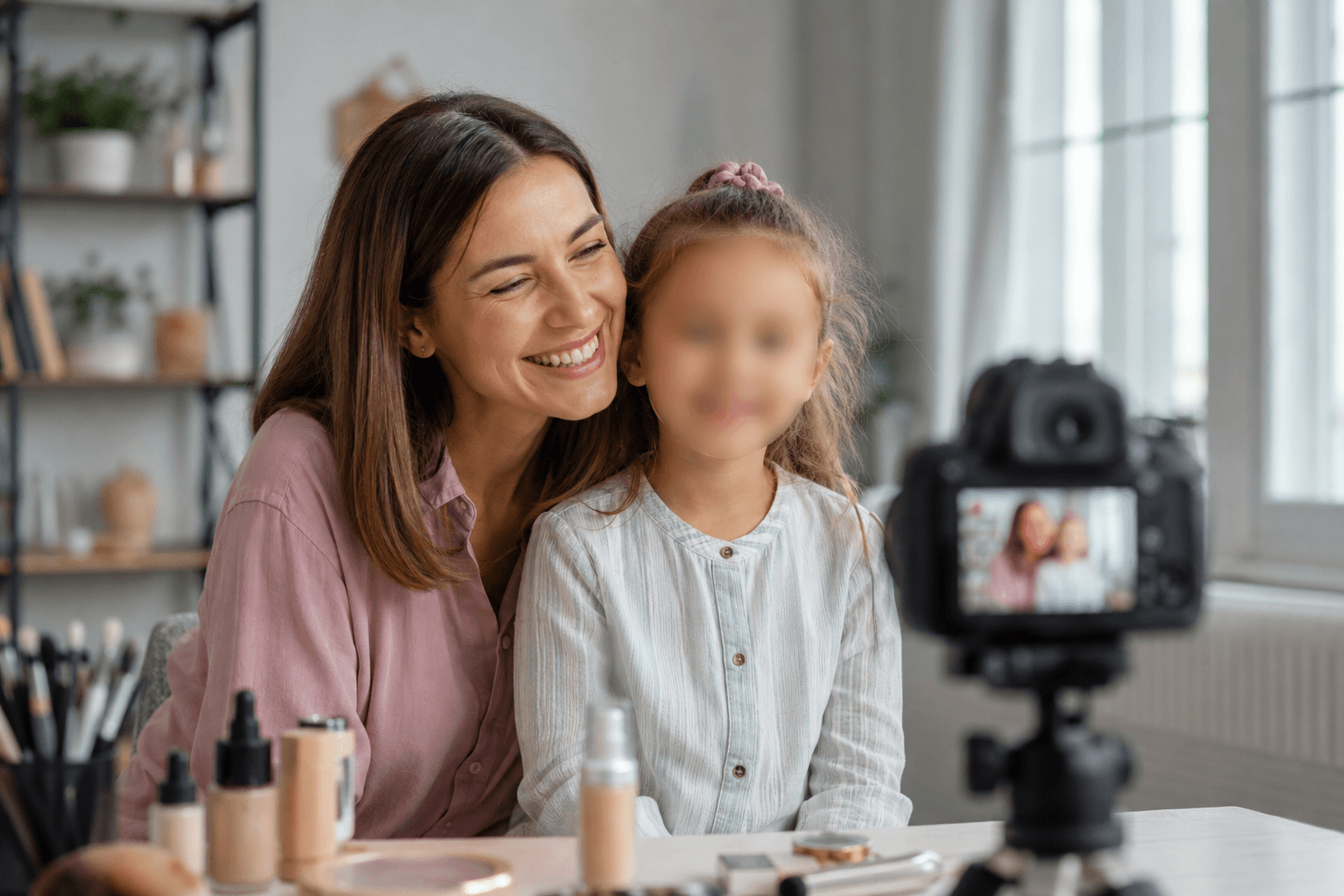

Who actually carries COPPA duties
Operators of child-directed services (kids' apps, games, edtech, child-focused channels and sites) and general-audience services with actual knowledge they're collecting from under-13s. For them, a child's image or voice in uploaded or captured video is personal information triggering the full machinery: direct notice, verifiable parental consent, data-minimization, retention limits, and deletion rights.
Parents posting their own children are outside COPPA (that's a sharenting judgment, not a legal one — see our sharenting protection page). Schools sit in a hybrid: FERPA governs education records including much school video, and COPPA applies to the edtech services schools adopt.
Video is the highest-risk data type under the Rule
Since the FTC's 2013 amendments, photos, videos, and audio files containing a child's image or voice are enumerated personal information — no account, name, or email needed. A camp's highlight reel, a kids' app's video-message feature, a classroom-tool's recording function: each collects children's personal information the moment identifiable footage exists on the service.
The 2025 amendments tightened the frame further (biometric identifiers, stricter retention). The direction of travel is unambiguous: identifiable children's media is becoming more regulated, not less.
- A child's face in video = personal information under 16 CFR §312.2 — standalone.
- Voice recordings count the same way.
- Retention limits apply: keep children's video only as long as necessary for its purpose.
Where anonymization changes the analysis
COPPA regulates personal information; footage in which children can't be identified isn't it. That makes face blur a scope-reduction tool wherever identifiable kids aren't essential: a program's promotional recap can show the activity with children's faces blurred except those with signed releases; an edtech feature can anonymize incidental faces; a school's public-facing highlights can blur non-consented students while FERPA-covered originals stay internal.
For creators making child-adjacent content, blurring children who appear incidentally (playgrounds, public spaces, other people's kids at events) both respects the families and keeps the content cleanly outside child-privacy tripwires on platforms.
A practical posture for organizations that film children
Camps, leagues, churches, schools, and kids' programs converge on the same three-part standard: collect releases at registration for the children you intend to feature; blur everyone else in anything published; keep unblurred originals internal with defined retention. It satisfies the paperwork you have, covers the paperwork you'll never fully have, and turns removal requests into a re-processing pass instead of a takedown.
BGBlur's automatic minor-detection assists the default: children's faces in a busy frame get masked without a volunteer matching faces to consent forms.
Publishing child-program footage safely
- Collect releases at registration. Know in advance which children may appear identifiable in published media.
- Film normally. Don't constrain the camera work — the privacy step is post-capture.
- Blur by default. Mask all children's faces; exempt only those with releases on file.
- Review group scenes. Confirm masks hold in crowds, pools, and fast-moving activities.
- Publish the anonymized cut. Blurred version goes public; the original stays internal under your retention policy.
Note: 16 CFR §312.2 defines personal information to include 'a photograph, video, or audio file where such file contains a child's image or voice'; the FTC's 2025 COPPA amendments added biometric identifiers and tightened retention requirements. This page is educational, not legal advice.
Related guides
Frequently asked questions
- Does COPPA stop me from posting videos of my own kids?
- No — COPPA regulates online services collecting children's data, not parents' own sharing. Whether to post identifiable footage of your kids is a sharenting judgment; our sharenting-protection page covers the risk side of that decision.
- Is a child's face in a video really 'personal information' under COPPA?
- Yes. Since 2013, the COPPA Rule enumerates photos, videos, and audio containing a child's image or voice as personal information — independent of names or account data.
- We run a summer camp. Does COPPA apply to our highlight videos?
- COPPA formally targets online services, and its application to a camp's website posting depends on specifics — but the blur-by-default posture (release-holders visible, everyone else masked) keeps you safe across COPPA, state privacy laws, and parents' expectations without parsing the jurisdictional question per video.
- How does this interact with 'made for kids' rules on YouTube?
- Platform child-content regimes (born of the FTC's YouTube settlement) restrict data collection on child-directed content — a separate mechanism from what's in your frame. Blurring incidental children doesn't change a video's made-for-kids classification, but it removes the identifiable-child-imagery risk that draws complaints and strikes.
- Can blurred children's footage still be used in our marketing?
- That's the point of the workflow: the activity, energy, and setting stay; identities don't. Feature release-holding children in focus, blur the rest, and your recap reel is publishable without a consent audit.
BGBlur provides privacy tooling for creators and teams; consult counsel for broadcast, evidentiary, or regulated workflows.