Blur Body Cam Footage in Japan: APPI Privacy Guide [2026]
Japan's Act on the Protection of Personal Information (APPI) treats identifiable faces in body cam and dashcam footage as personal information, creating real compliance risk when you publish or archive it. This guide covers what needs to be blurred, the practical steps to anonymize footage, and Japan-specific enforcement considerations.
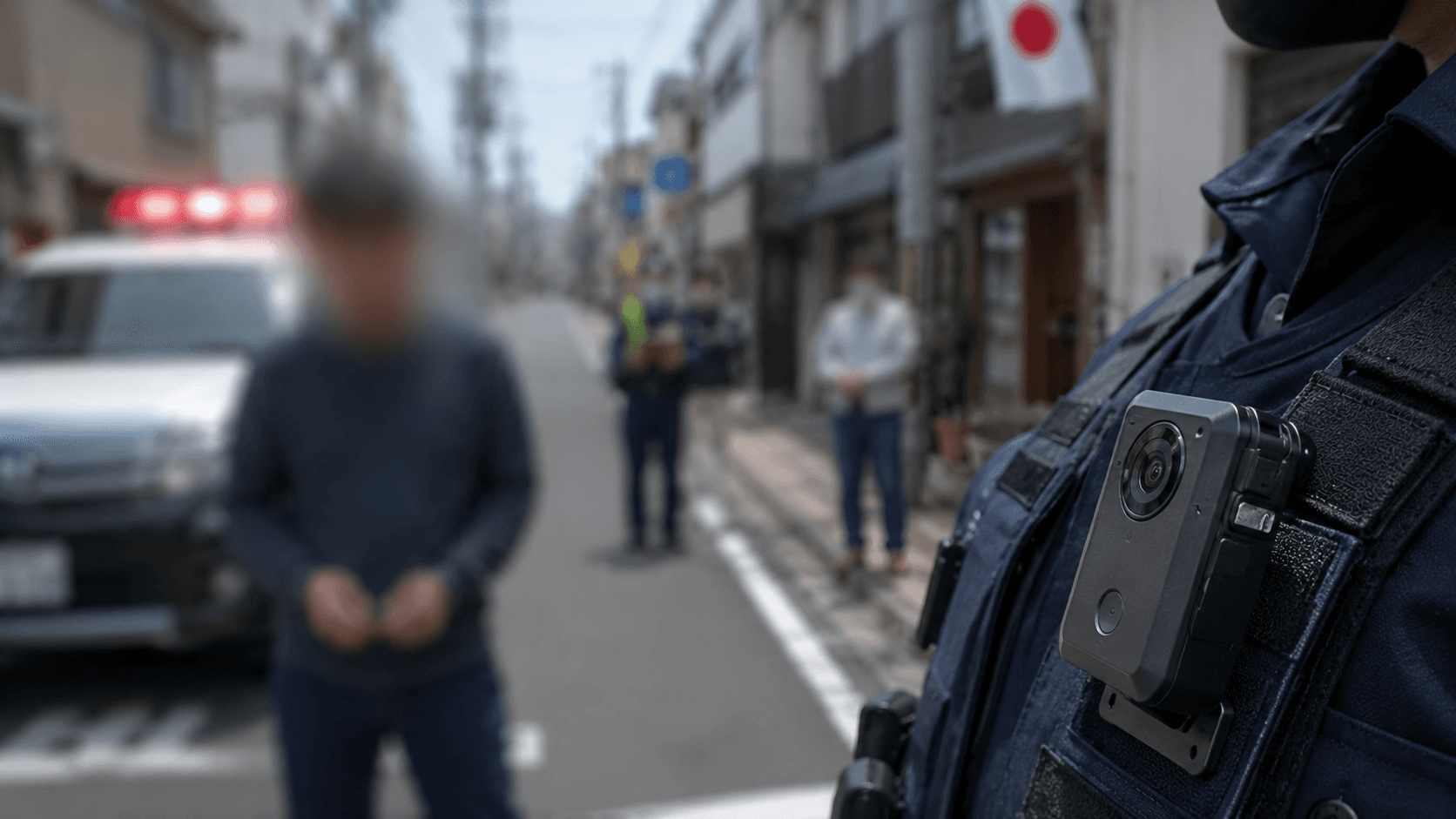
Bodycams and dashcams capture important events but also collect personal data. In Japan, handling such footage responsibly helps protect individuals and reduces legal and ethical risks. With Japan's Act on the Protection of Personal Information (APPI) placing strict obligations on how identifiable data is managed, the need for proper bodycam footage handling has never been greater. Whether you are a security professional, journalist, or everyday user, understanding how to anonymize video content is essential before publishing or archiving. For the full legal breakdown, see our Japan APPI video privacy compliance guide.
| Question | Answer |
|---|---|
| Does APPI cover faces in body cam footage? | Yes — identifiable faces count as personal information |
| Who enforces it? | Japan's Personal Information Protection Commission (PPC) |
| Does blurring hurt evidentiary value? | No — keep the original secure, redact only the shared copy |
| Can faces and plates be blurred together? | Yes — a single AI pass handles both |
| Is manual review still needed? | A quick check recommended for fast motion or partial occlusion |
Why Blur Bodycam Footage
Publicly sharing footage with visible faces or license plates can expose personal information. Automated blur tools ensure sensitive elements are hidden before publishing.
Beyond legal compliance, there are strong ethical reasons to apply bodycam blur to your recordings:
- Bystander Privacy: Individuals captured incidentally in footage have not consented to being filmed or identified publicly.
- Preventing Misuse: Unblurred footage can be screenshotted, cropped, or misused for doxxing, harassment, or identity theft.
- Professional Credibility: Organizations that demonstrate responsible data handling build trust with the public and reduce liability.
- Platform Compliance: Many video-sharing platforms and news outlets require personally identifiable information to be obscured before upload.
Manual editing is time-consuming and error-prone. Automated video face blur technology detects and obscures faces and license plates frame by frame, ensuring nothing is missed even in fast-moving footage.
Understanding What Needs to Be Blurred
Before processing footage, it helps to know the types of sensitive data that appear most frequently in bodycam and dashcam recordings:
- Faces: The most identifiable element. Even partial or side-profile faces can be used to identify individuals.
- License Plates: Directly linked to vehicle registration records and, by extension, personal addresses.
- Distinctive Features: Tattoos, disabilities, or other unique physical identifiers may also require obscuring depending on context.
- Documents and Screens: Any text readable on paper, phones, or computer screens in the background.
Using a dedicated face blur tool built for video ensures all these elements are detected automatically rather than relying on manual review.
Practical Steps
1. Upload Your Video
Choose a platform specifically designed for video privacy. Look for services that offer end-to-end encryption during upload and processing. Avoid general-purpose video editors that lack AI-powered detection.
A purpose-built solution for bodycam footage anonymization will use computer vision models trained to detect faces and license plates across varied lighting conditions, angles, and video qualities.
2. Choose What You Want to Blur
Most professional tools let you select which elements to anonymize and the intensity of the blur:
- Faces: The most identifiable element, detectable even in partial or side-profile views.
- License Plates: Directly linked to vehicle registration records and personal addresses.
- Blur Background: Choose from light blur, heavy pixelation, or a black box overlay depending on your use case.
For most public-facing use cases involving video face blur, a medium-to-heavy blur is recommended to fully satisfy privacy regulations while keeping the footage usable as evidence or documentation.
3. Proceed and Export
Once you have configured your settings, process the footage and review the preview before finalizing:
- Scrub through the clip to confirm all sensitive elements are covered, including fast-moving or partially visible subjects.
- Verify that blurs track correctly when subjects move, turn, or are briefly occluded.
- Download the final anonymized video and store originals securely in an encrypted, access-controlled archive in case the full footage is needed for legal proceedings.
Advanced Use Cases
Dashcam Footage for Insurance Claims
When submitting dashcam footage to an insurance company or traffic authority, third-party pedestrians and bystanders in the recording may not need to be identified. Blurring faces and unrelated license plates keeps the submission compliant while preserving the relevant incident details. Our dashcam face and license plate blurring guide covers the workflow in more depth for regular dashcam users.
Law Enforcement and Security Teams
Officers and security personnel who record interactions often need to share footage with supervisors, legal teams, or oversight bodies. Applying bodycam blur protects the privacy of individuals not directly involved in an incident, while keeping key evidence intact. For a broader comparison of options, see our roundup of top tools for body cam law enforcement video and the step-by-step how to blur body cam video footage guide.
Content Creators and Journalists
Vloggers, documentary makers, and journalists filming in public spaces in Japan frequently capture passersby. Automated video face blur lets creators publish content freely without manually editing out every background individual.
Social Media and Viral Video Publishing
Before posting dashcam or bodycam clips to social platforms, applying automated blur prevents accidental exposure of identifiable information and protects creators from takedown requests or legal complaints.
What About Face Swap Features?
In some cases, creators or platforms may want to replace rather than obscure faces — for example, using placeholder visuals in training datasets or creative projects. A video swap face tool can substitute detected faces with synthetic alternatives, maintaining the natural flow of video while fully anonymizing the original subjects. This is particularly useful for AI training pipelines where facial expressions and movements need to be preserved without linking to real individuals.
Japan-Specific Privacy Considerations
Japan's APPI classifies facial images as personal information when they can be used to identify an individual. Key obligations include:
- Obtaining consent or having a legitimate purpose before collecting identifiable video data.
- Implementing appropriate security measures when storing footage containing personal data.
- Anonymizing or deleting footage that is no longer necessary for its original purpose.
Failing to comply can result in enforcement actions from Japan's Personal Information Protection Commission (PPC). Proactive use of face blur technology is one of the simplest ways to demonstrate good-faith compliance.
Conclusion
Applying automated blur to bodycam footage protects both the subjects and the content creators. Use proven tools to maintain privacy without extensive manual editing.
As recording technology becomes more widespread in Japan and globally, the responsibility to handle footage ethically grows with it. Whether you are managing a fleet of dashcams, reviewing security recordings, or publishing personal content online, integrating bodycam footage anonymization into your workflow is no longer optional — it is a baseline standard for responsible video use.
Start with automated video face blur tools today, review your footage carefully, and publish with confidence knowing that privacy is protected at every step.
Frequently Asked Questions
Q1: Is it illegal to share bodycam or dashcam footage in Japan without blurring faces?
Japanese law does not completely ban sharing such footage, but identifiable faces are considered personal information under APPI. Blurring faces before publishing helps reduce privacy and compliance risks.
Q2: What parts of bodycam footage need to be blurred before publishing?
Faces, license plates, addresses, documents, phone screens, and unique identifiers like tattoos should typically be blurred. AI tools can automatically detect and redact these elements frame-by-frame.
Q3: Does blurring footage affect its value as legal evidence?
No, blurring generally does not affect evidentiary value as long as the original footage is securely preserved. Only the shared copy should be redacted.
Q4: How accurate is AI-powered video face blur for fast-moving bodycam footage?
Modern AI tools are highly accurate even with motion, side profiles, and low light, thanks to frame tracking technology. A quick manual review is still recommended before export.
Q5: Can I blur license plates and faces in the same video at the same time?
Yes, most AI-powered video blur tools can detect and blur faces and license plates simultaneously in a single processing pass.