فيديو طبي متوافق مع HIPAA وتمويه بيانات المرضى
Healthcare training videos with patient privacy: blur faces, medical records, PHI, and identifiable information for HIPAA compliance.
HIPAA Privacy Rule (45 CFR §164.514) requires de-identification of protected health information (PHI) before use in training, research, or marketing. For video, that means faces, medical records on screens, patient charts, and any identifiable information must be blurred or removed.
De-identify clinical video for HIPAA compliance in three steps
Built for hospitals, medical schools, and telehealth platforms managing PHI in training and communications footage.
Capture clinical footage
Record patient encounters or clinical procedures per your authorization policies before processing.
Apply face, background, and selective blur
Blur patient faces, background charts and records, and any visible PHI identifiers in the footage.
Export de-identified version
Download the de-identified file for training LMS or marketing and retain the original per HIPAA retention schedule.
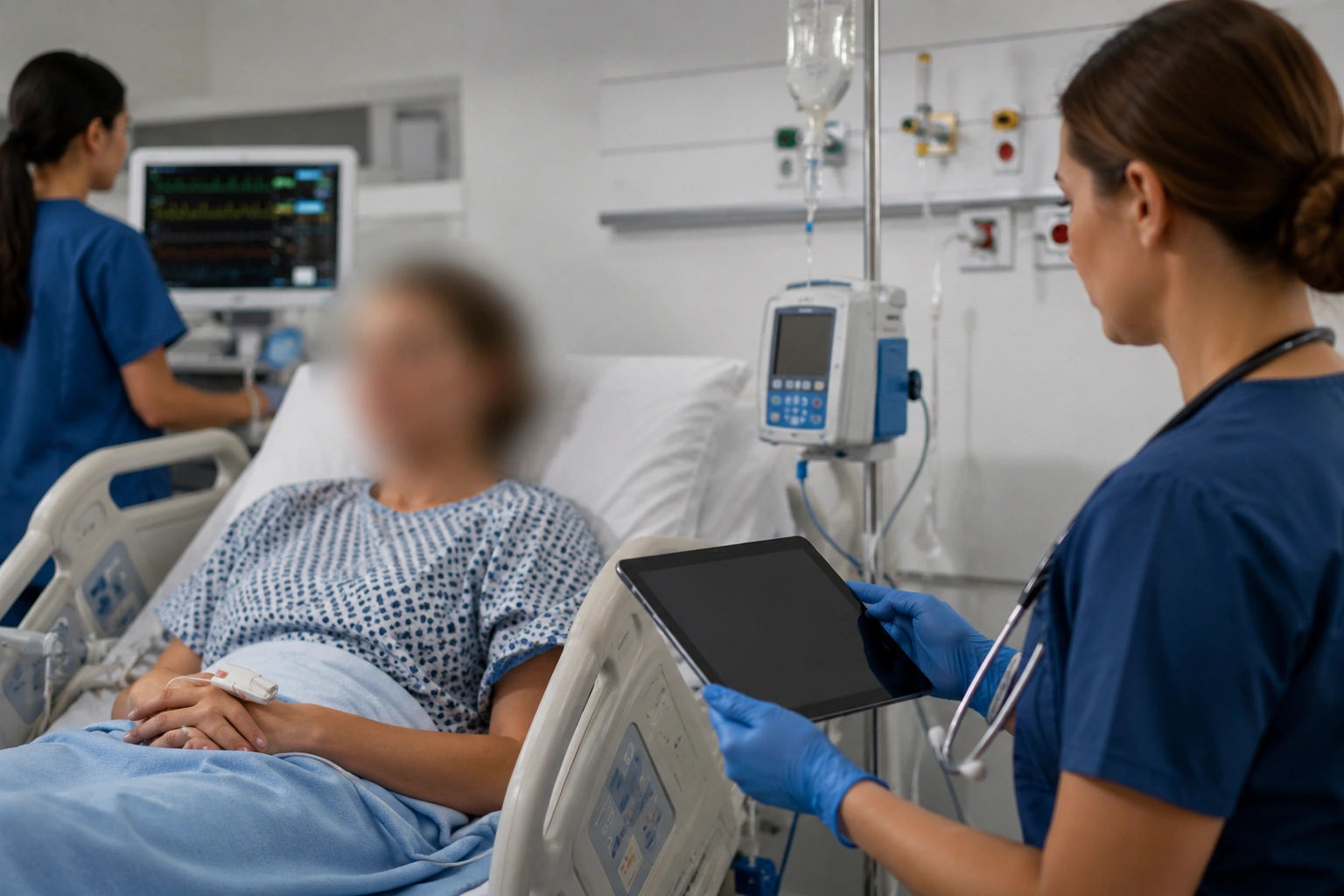
What this example demonstrates
HIPAA violations average $50K per incident with maximum penalties of $1.5M annually per violation category. Video blur is a technical safeguard demonstrating good-faith compliance when authorization or de-identification is required.
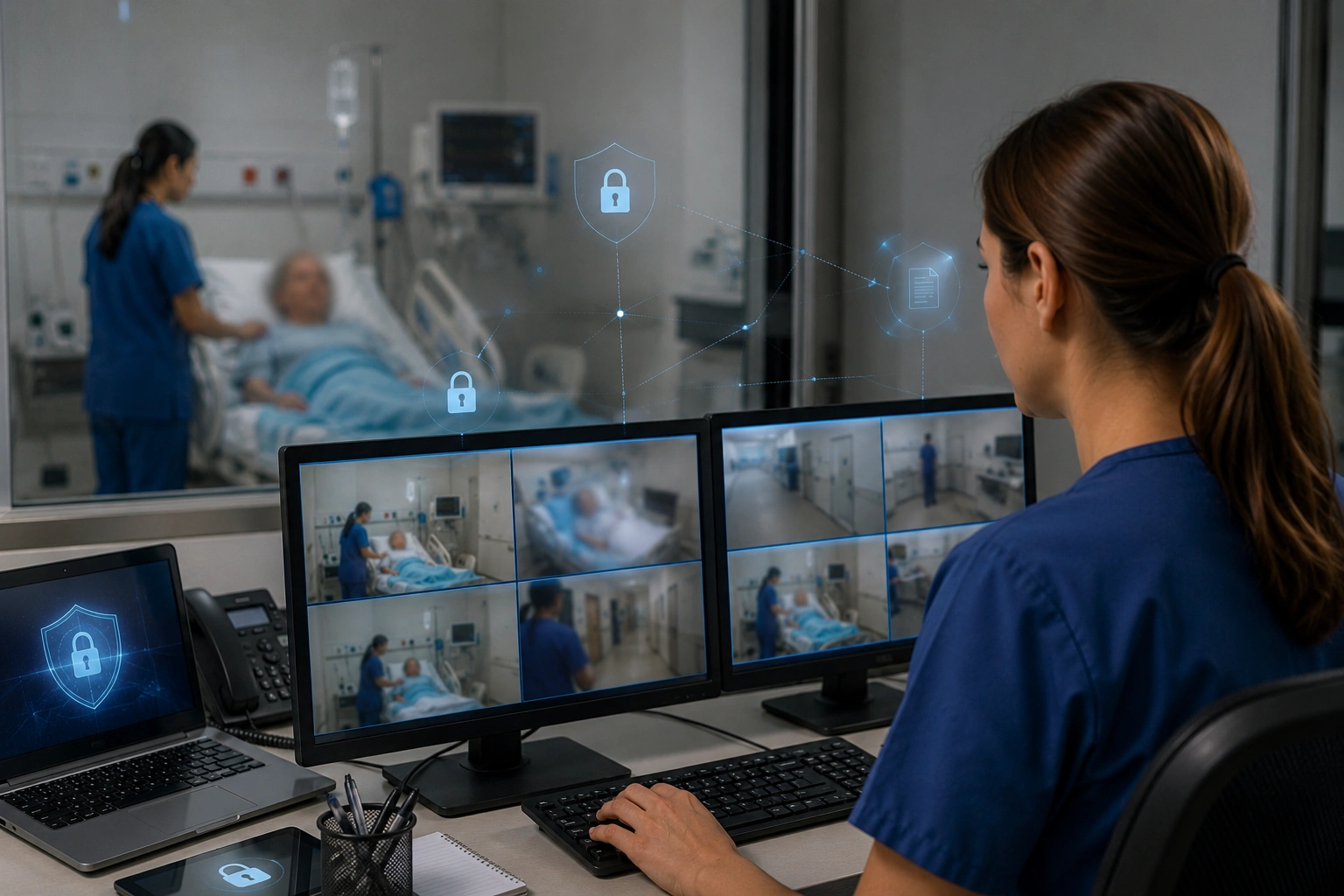
Why teams use this pattern
Blur alone doesn't make video HIPAA-compliant—you also need BAAs, access controls, audit logs, and retention policies—but it's the visible layer that prevents accidental PHI disclosure in training and communications.
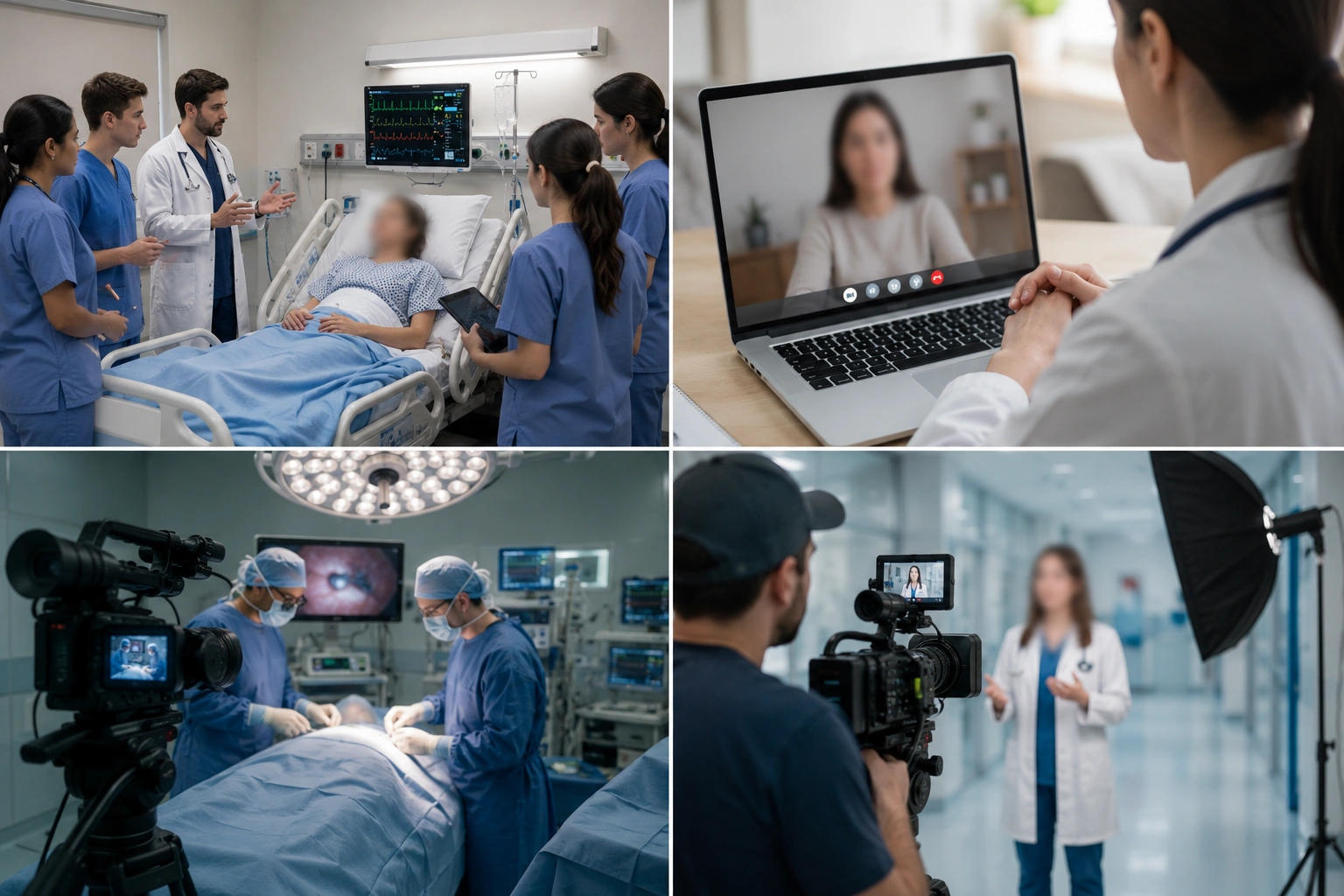
Common use cases
Teams reach for this workflow when medical school training videos with patient encounters; telehealth session recordings for quality assurance; surgical procedure documentation with patient faces visible; healthcare marketing videos filmed in clinical settings. BGBlur automates detection so these scenarios stay publishable without days in a timeline.
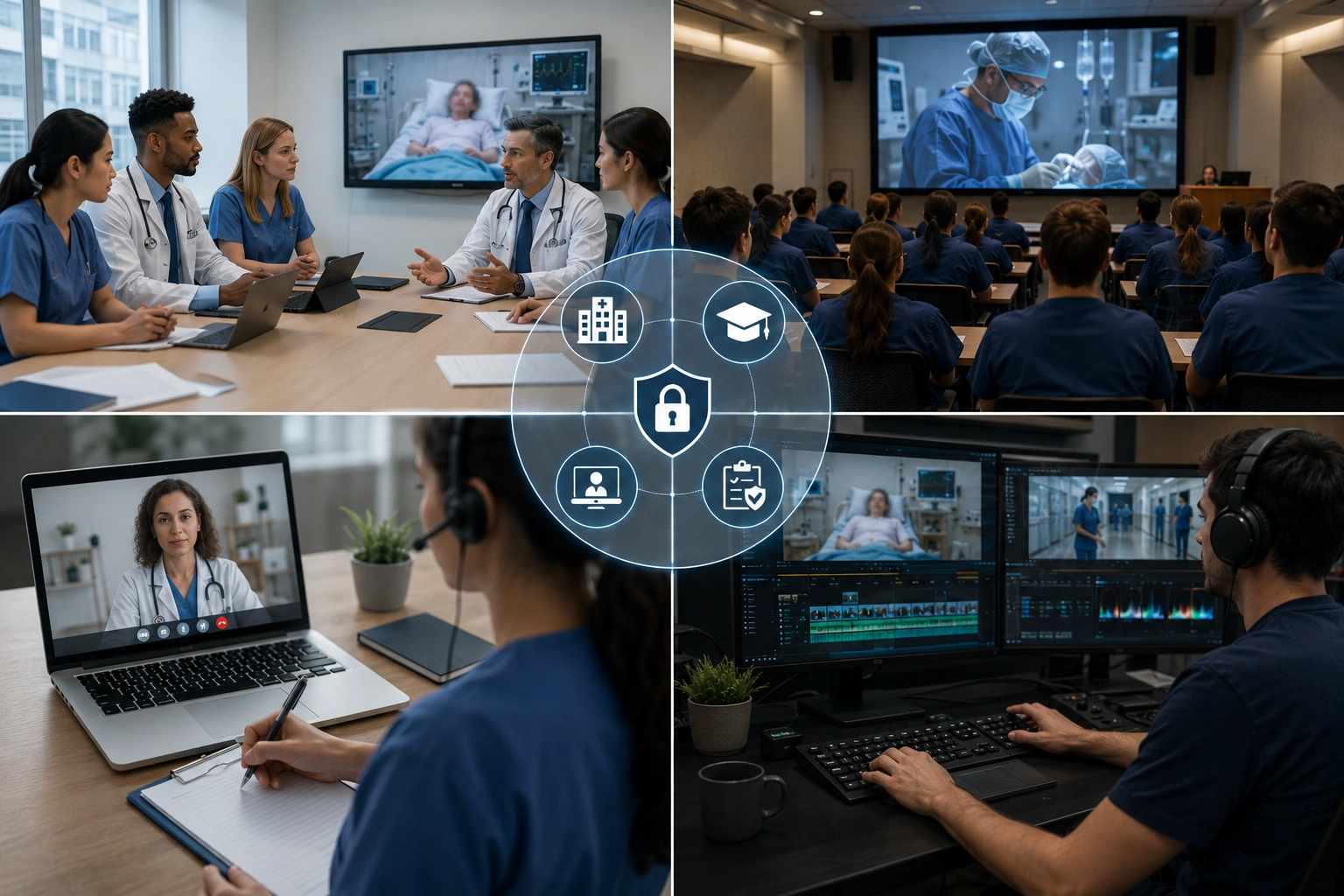
Built for Hospitals and healthcare systems and Medical schools and nursing programs
Ideal audiences include Hospitals and healthcare systems, Medical schools and nursing programs, Telehealth platforms, Healthcare compliance and privacy officers. Pair this example with your policy review when footage is sensitive or public-facing.
حالات الاستخدام
- أشرطة فيديو للتدريب في المدارس الطبية مع لقاءات المرضى
- تسجيلات الدورة الصحية عن بعد لضمان الجودة
- وثائق الإجراءات الجراحية مع وجود المرضى
- أفلام فيديو لتسويق الرعاية الصحية تم تصويرها في البيئات السريرية
لمن هذا
- المستشفيات ونظم الرعاية الصحية
- المدارس الطبية وبرامج التمريض
- برامج الصحة عن بعد
- موظفو الامتثال في مجال الرعاية الصحية والخصوصية
المزيد من أمثلة تعتيم الفيديو
استكشف سيناريوهات مماثلة مع نفس مقاطع الفيديو التجريبية وإرشادات خطوة بخطوة.
تمويه وتنقيح الفيديو للامتثال للائحة GDPR
تمويه فيديو متوافق مع خصوصية الاتحاد الأوروبي للوجوه واللوحات والبيانات الشخصية، مع تدابير تقنية تدعم تقليل البيانات وفق المادة 5 من GDPR.
تمويه الوجوه في فيديوهات الحديث المباشر
اكتشاف تلقائي للوجوه وتمويهها في المقابلات والبودكاست ومدونات الفيديو، مع تتبع الحركة للحفاظ على حماية الهويات.
أشرطة فيديو للتدريب في مجال حقوق الإنسان ذات خلفيات أكثر أماناً
اختبئوا في المكتب المنزلي، مخططات المرضى على الجدران، أو الملصقات التي تسرّب الموقع في محتوى (لوس أنجلوس).
تمويه أي شيء: الشعارات والنصوص والمناطق المخصصة
استهدف مناطق محددة مثل الشعارات على الملابس أو العناوين الظاهرة على الشاشة أو اللافتات، مع تحديد دقيق بمساعدة الذكاء الاصطناعي.
الأسئلة الشائعة
- هل لا يزال الفيديو مشوشاً يتطلب إذن من المريض؟?
- If the video is de-identified per HIPA Safe Harbor or Expert Determination, authorization may not be required; consult your privacy officer and legal counsel for each use case.
- ما الذي يُعتبر أنّه مُحدد في الفيديو؟?
- وتدرج الرابطة 18 جهازاً لتحديد الهوية، بما في ذلك الوجوه، والتواريخ (العام السابق)، والتفاصيل الجغرافية أصغر من الدولة، وأرقام السجلات الطبية - يجب أن تتناول جميع محددات الهوية الظاهرة.
- هل يمكننا استخدام أشرطة فيديو ضبابية للمرضى في التسويق؟?
- ويمكن استخدام محتوى محدد الهوية للتسويق دون إذن إذا تم الكشف عن هويته على الوجه الصحيح؛ غير أن الأصوات، والدلائل السياقية، والخصائص الفريدة قد لا تزال ترد تعريفاً دقيقاً للمرضى.
هل أنت مستعد لتجربة هذا على الفيديو الخاص بك؟
قم بتحميل MP4 أو MOV أو M4V وقم بتطبيق نفس أوضاع التعتيم الموضحة في هذا المثال.
جرب BGBlur مجانًا