Body-worn cameras (BWCs) are standard in 80% of large U.S. police departments, but public records laws require redaction before release: victim privacy, juvenile protection, medical scenes, and undercover officer safety all demand careful blur before FOIA fulfillment.
Redact body camera footage for FOIA and public records in three steps
Built for police departments, public records officers, and law enforcement agencies managing high-volume redaction requests.
Ingest BWC footage
Import body-worn camera recordings requiring public release or court submission.
Apply blur and manual review
Run automatic face blur, then manually review for minors, victims, medical info, and interior scenes per state law.
Export redacted version
Download the redacted file with audit log and retain the unredacted original per retention schedule.
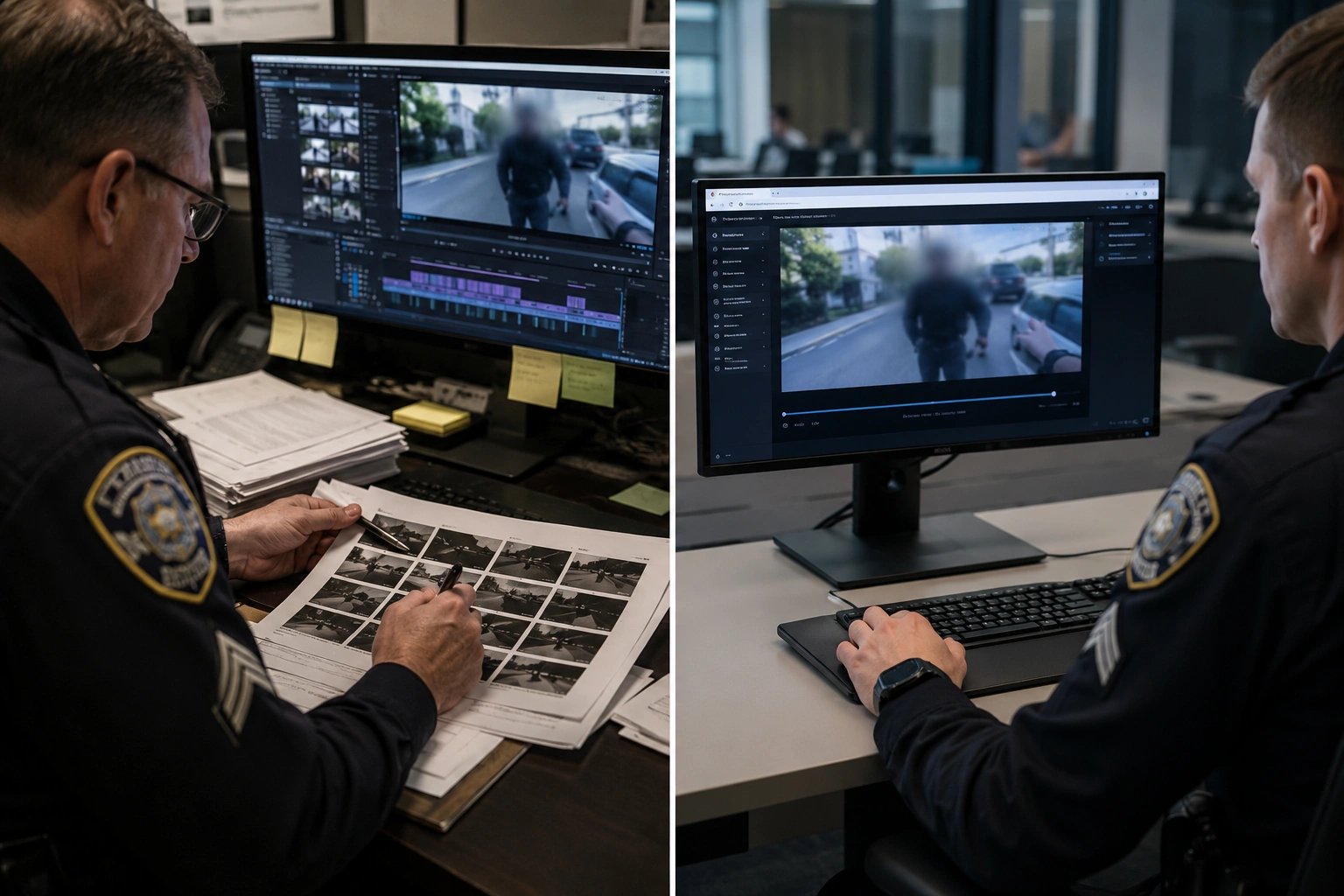
What this example demonstrates
Manual redaction averages 8:1 time ratio (8 hours of work per 1 hour of footage)—unsustainable for departments facing hundreds of requests annually. AI-assisted blur reduces that to 1:1 or better for routine cases.
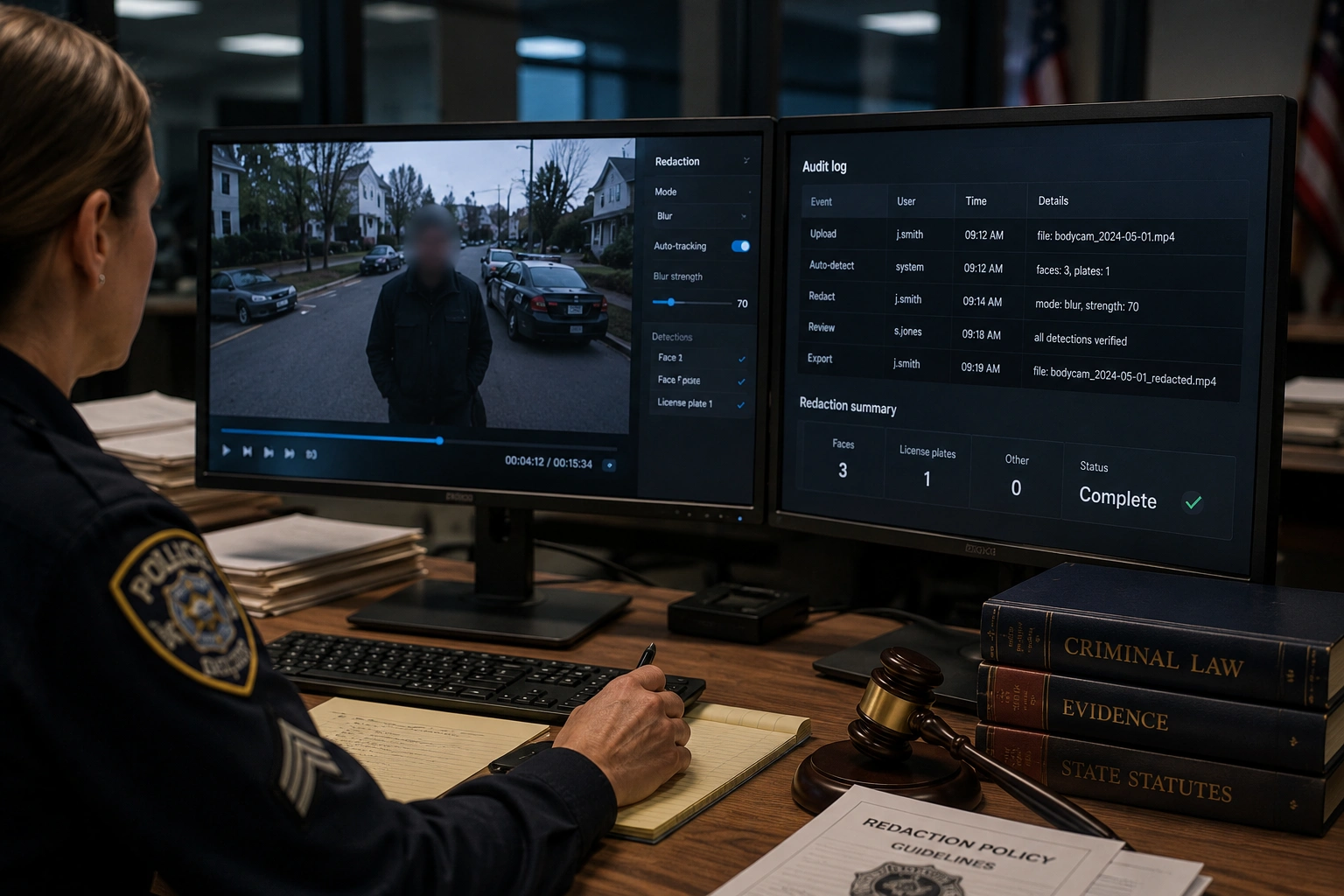
Why teams use this pattern
Proper redaction balances transparency with privacy: over-blur erodes public trust, under-blur violates state laws and exposes victims. Consistent, auditable workflows are essential for accountability.
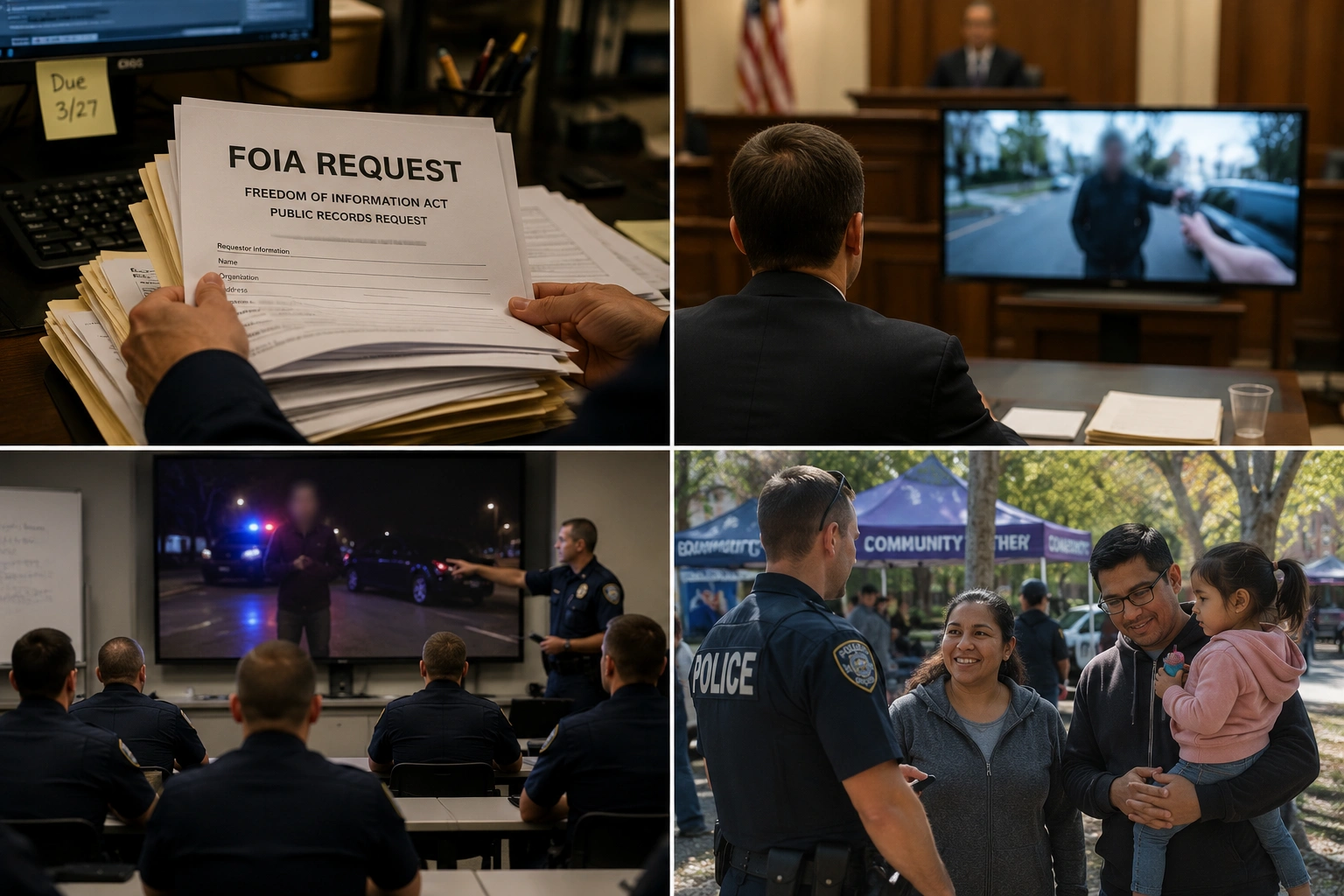
Common use cases
Teams reach for this workflow when foia public records requests for incident footage; court evidence with witness identity protection; training videos with sensitive subject matter; community engagement releases showing police interactions. BGBlur automates detection so these scenarios stay publishable without days in a timeline.
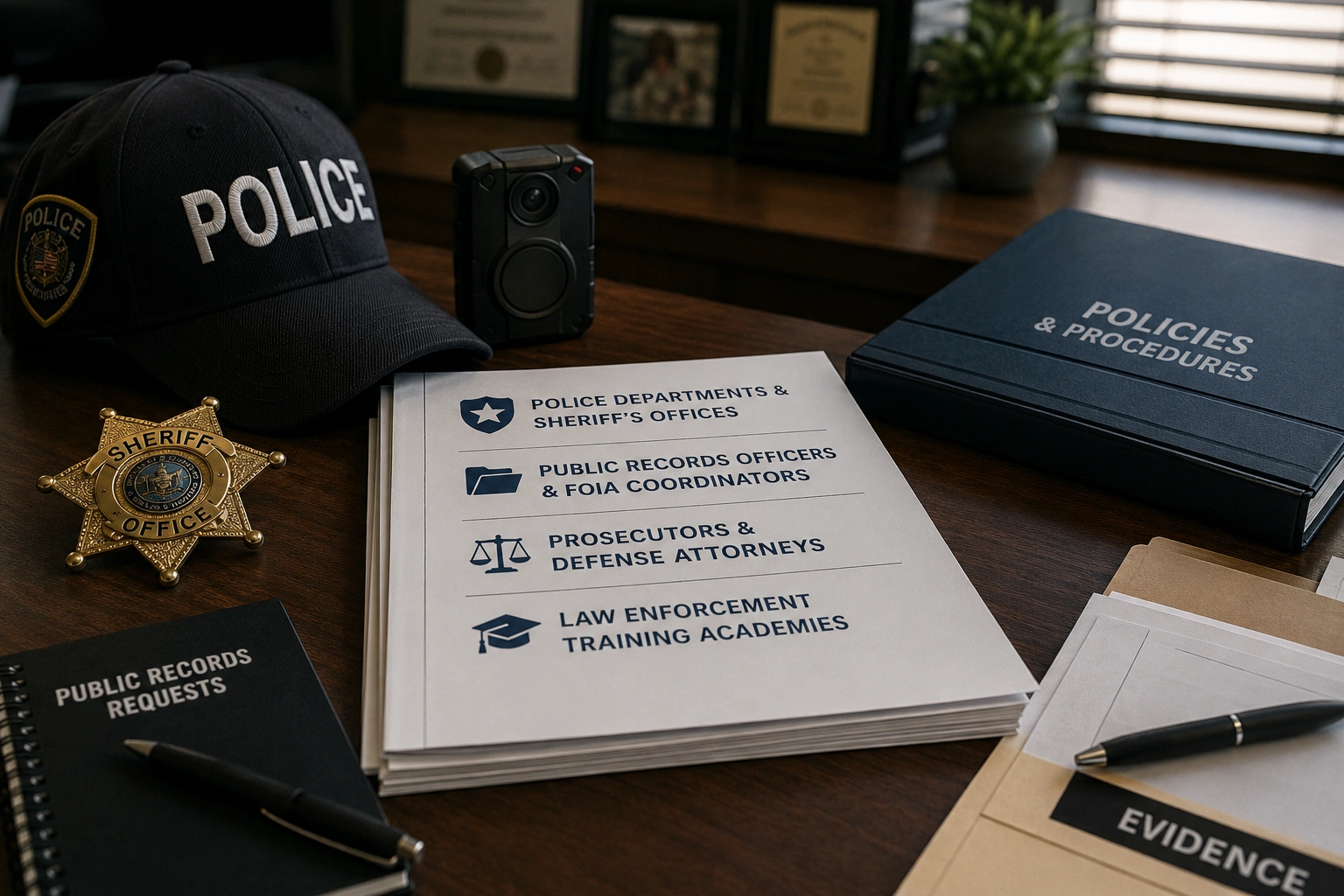
Built for Police departments and sheriff's offices and Public records officers and FOIA coordinators
Ideal audiences include Police departments and sheriff's offices, Public records officers and FOIA coordinators, Prosecutors and defense attorneys, Law enforcement training academies. Pair this example with your policy review when footage is sensitive or public-facing.
使用场景
- FOIA 公共记录对事件录像的要求
- 保护证人的法院证据
- 具有敏感主题内容的培训录像
- 显示警察互动的社区参与发布
适用人群
- 警察部门和警长办公室
- 公共记录干事和FOIA协调员
- 检察官和辩护律师
- 执法培训学院
常见问题
- 尸体摄像头里必须编辑什么?
- 国家法律各有不同,但共同要求包括少年面孔、犯罪受害者、医疗/精神健康场景、保密告密者以及家庭内部——随时向机构咨询.
- 人工智能能否取代人文审查进行编辑??
- No-AI加速检测,但对于法律辨识性,边缘案例,和政策合规性,人文审查是强制性的;为质量控制提供10-20%的原始人工时间预算.
- 我们如何处理音频编辑和视频模糊?
- 许多法域要求进行音频编辑(姓名、地址、医疗信息);视频模糊的手柄只使用像素——使用单独的音频擦洗或哔哔工具进行语音编辑.