Video médico compatible con HIPAA y desenfoque de pacientes
Healthcare training videos with patient privacy: blur faces, medical records, PHI, and identifiable information for HIPAA compliance.
HIPAA Privacy Rule (45 CFR §164.514) requires de-identification of protected health information (PHI) before use in training, research, or marketing. For video, that means faces, medical records on screens, patient charts, and any identifiable information must be blurred or removed.
De-identify clinical video for HIPAA compliance in three steps
Built for hospitals, medical schools, and telehealth platforms managing PHI in training and communications footage.
Capture clinical footage
Record patient encounters or clinical procedures per your authorization policies before processing.
Apply face, background, and selective blur
Blur patient faces, background charts and records, and any visible PHI identifiers in the footage.
Export de-identified version
Download the de-identified file for training LMS or marketing and retain the original per HIPAA retention schedule.
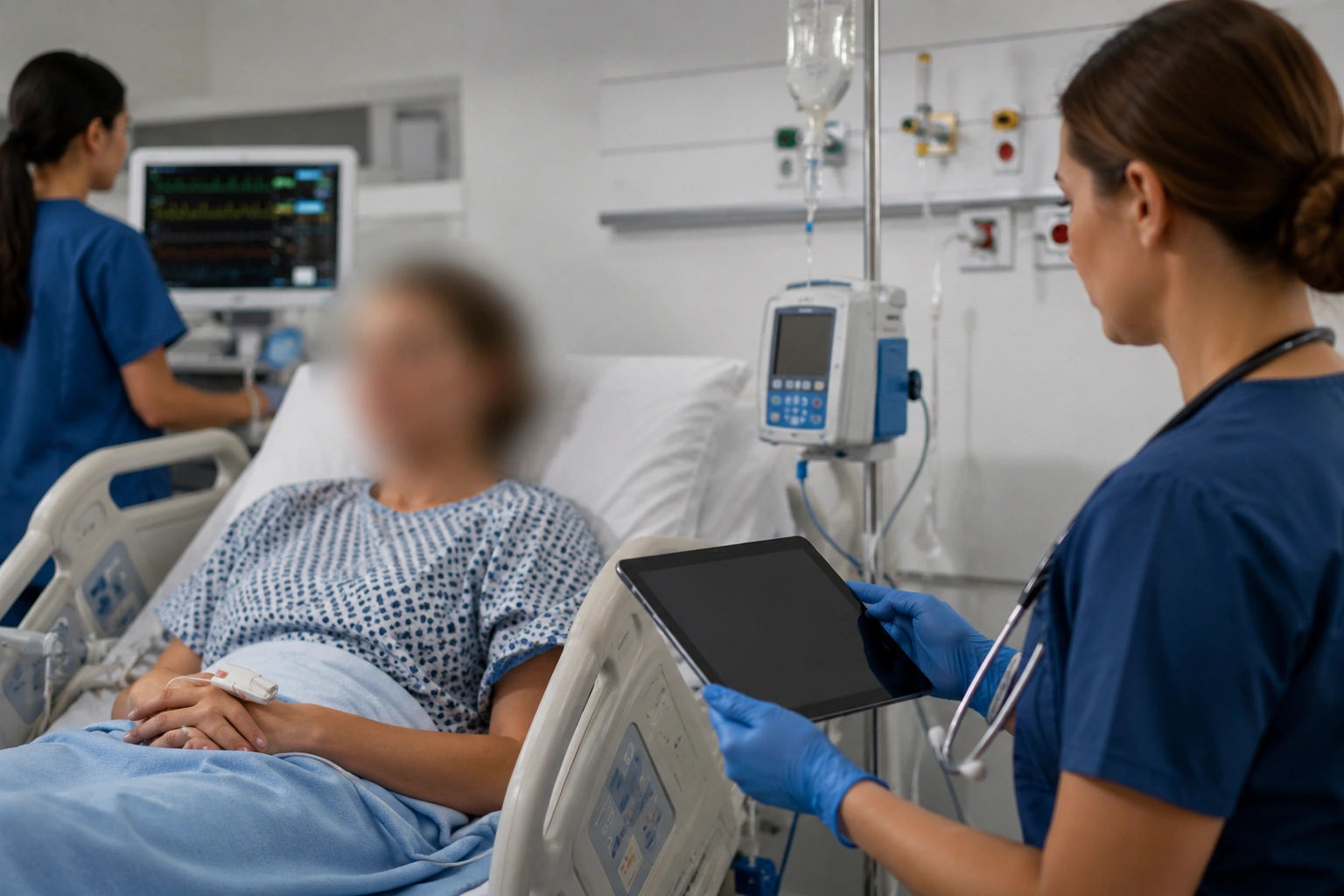
What this example demonstrates
HIPAA violations average $50K per incident with maximum penalties of $1.5M annually per violation category. Video blur is a technical safeguard demonstrating good-faith compliance when authorization or de-identification is required.
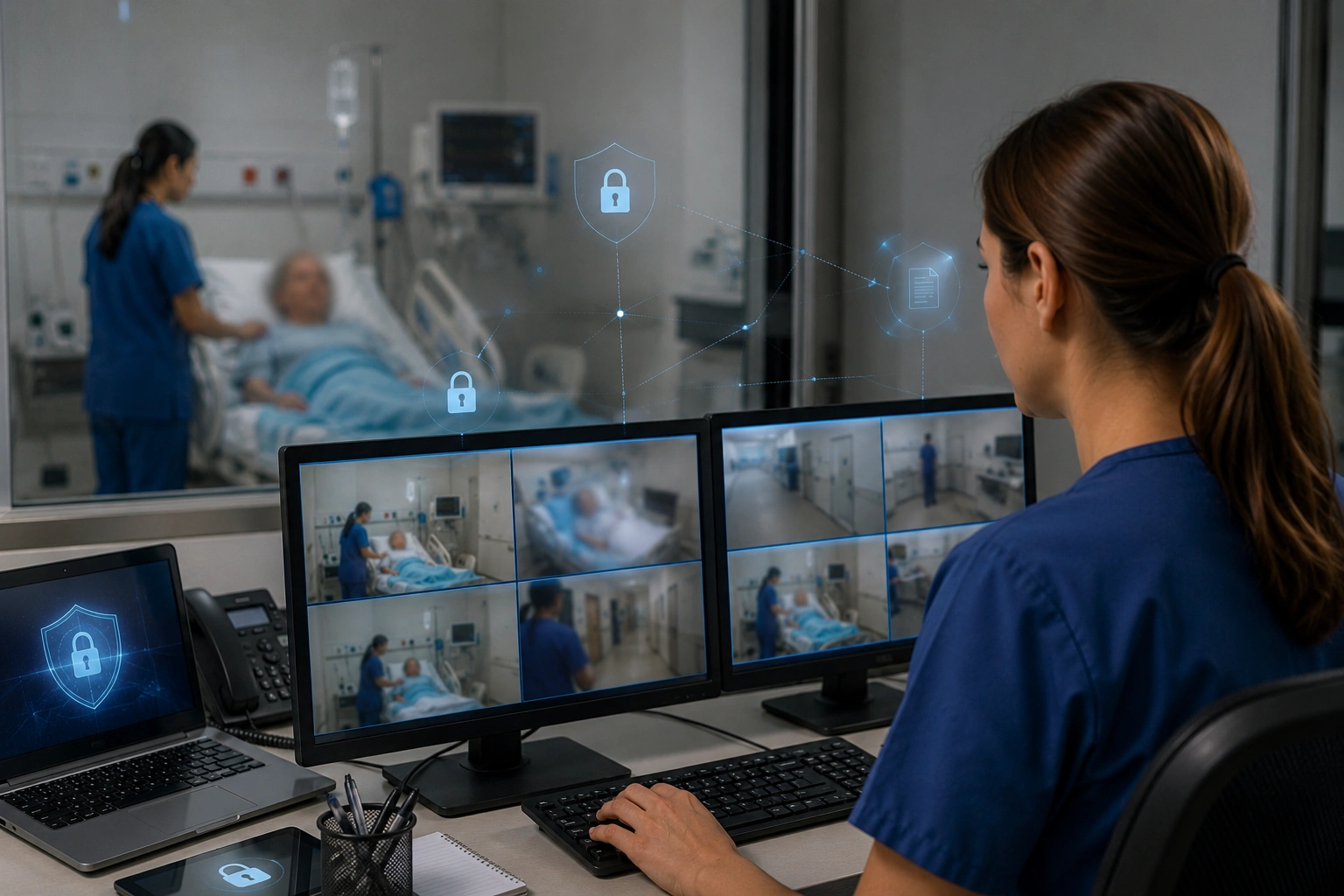
Why teams use this pattern
Blur alone doesn't make video HIPAA-compliant—you also need BAAs, access controls, audit logs, and retention policies—but it's the visible layer that prevents accidental PHI disclosure in training and communications.
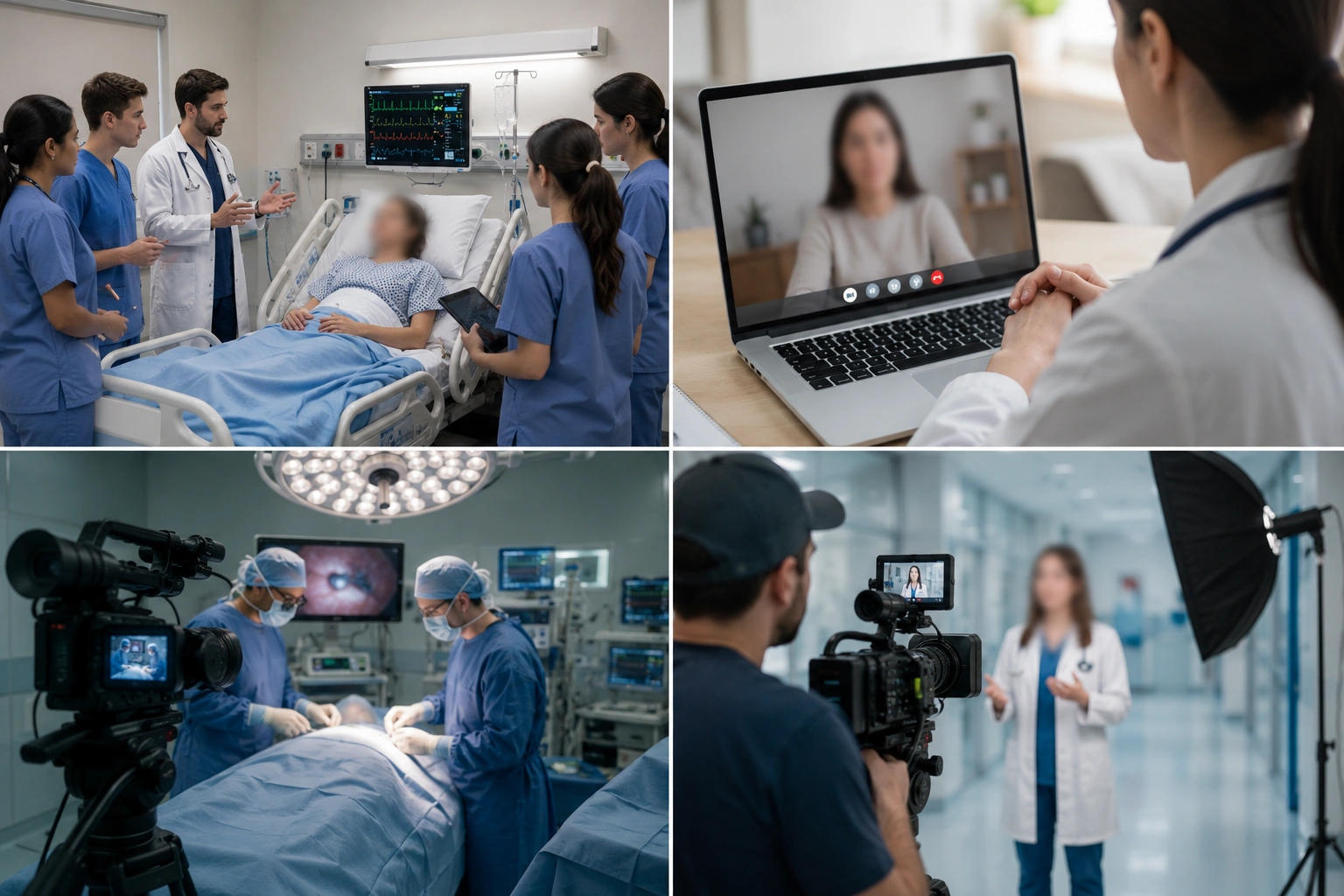
Common use cases
Teams reach for this workflow when medical school training videos with patient encounters; telehealth session recordings for quality assurance; surgical procedure documentation with patient faces visible; healthcare marketing videos filmed in clinical settings. BGBlur automates detection so these scenarios stay publishable without days in a timeline.
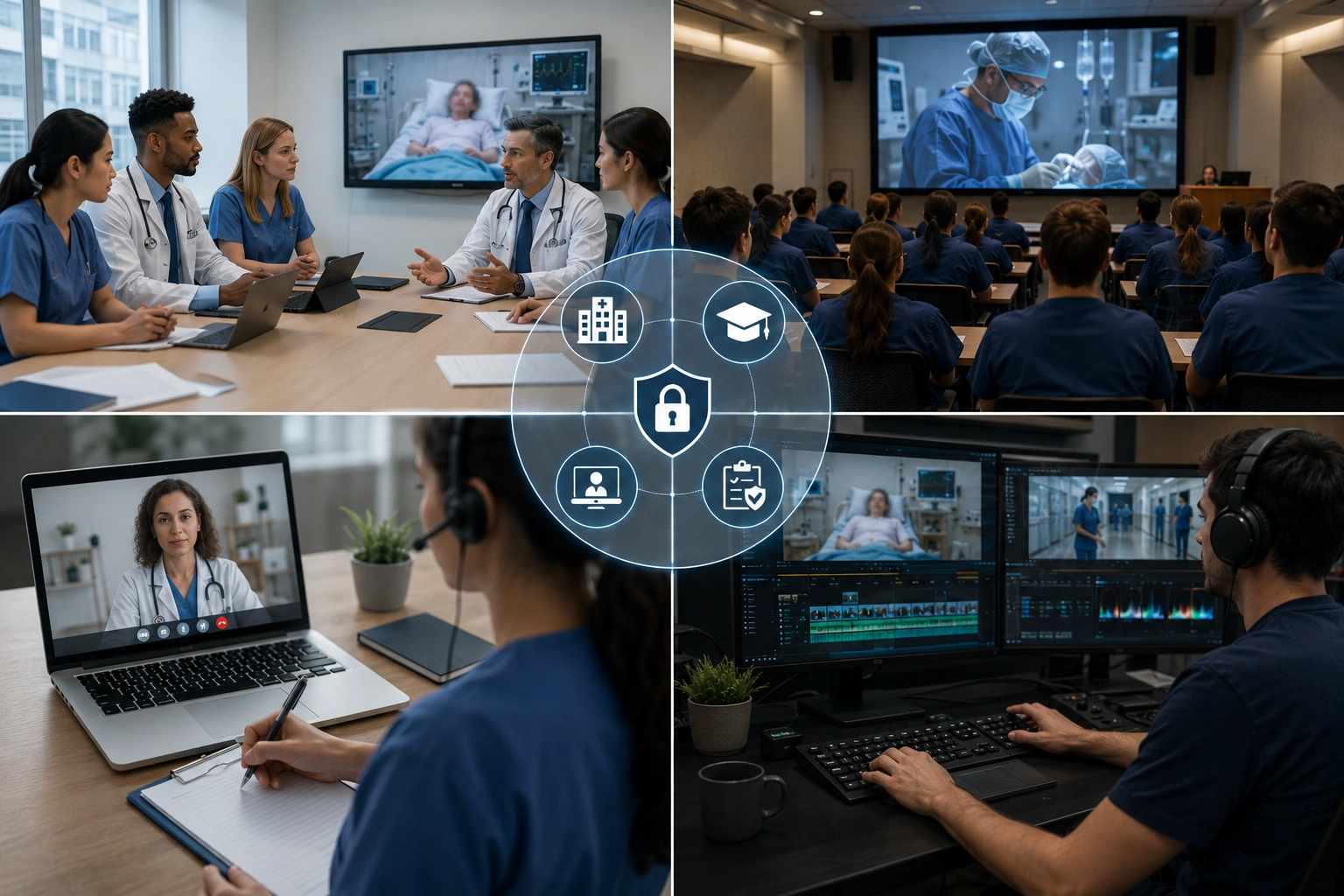
Built for Hospitals and healthcare systems and Medical schools and nursing programs
Ideal audiences include Hospitals and healthcare systems, Medical schools and nursing programs, Telehealth platforms, Healthcare compliance and privacy officers. Pair this example with your policy review when footage is sensitive or public-facing.
Casos de uso
- Vídeos de formación de la escuela médica con encuentros de pacientes
- Grabaciones de sesión de telesalud para garantizar la calidad
- Documentación de procedimiento quirúrgico con caras de paciente visibles
- Videos de marketing en salud filmados en entornos clínicos
Para quién es
- Hospitales y sistemas sanitarios
- Escuelas médicas y programas de enfermería
- Plataformas de telesalud
- Servicio de salud y agentes de privacidad
Más ejemplos de desenfoque de video
Explore escenarios similares con los mismos clips de demostración y orientación paso a paso.
Desenfoque y redacción de video para GDPR
Desenfoque de video compatible con privacidad de la UE para rostros, matrículas y PII, apoyando la minimización de datos del Artículo 5.
Desenfoque de rostros en video talking-head
Detección automática de rostros y desenfoque con seguimiento de movimiento para entrevistas, podcasts y vlogs, manteniendo identidades protegidas.
Videos de RR. HH. y formación con fondos más seguros
Oculta desorden de oficina, gráficos de pacientes o pósters que revelan ubicación en contenido de aprendizaje y desarrollo.
Desenfoca cualquier cosa: logos, texto y áreas personalizadas
Selecciona zonas concretas como logos, direcciones en pantalla o señalización con precisión asistida por IA.
Explorar características de BGBlur
Preguntas frecuentes
- ¿El vídeo borroso todavía requiere autorización del paciente?
- Si el video es desidentificado por HIPAA Safe Harbor o Determination de expertos, no se puede exigir autorización; consulte a su agente de privacidad y asesor legal para cada caso de uso.
- ¿Qué cuenta como PHI identificable en vídeo?
- HIPAA lista 18 identificadores incluyendo cara, fechas (excepto año), detalles geográficos más pequeños que el estado, números de registro médico—blur debe abordar todos los identificadores visibles.
- ¿Podemos usar videos de pacientes borrosos en marketing?
- El contenido desidentificado puede ser utilizado para la comercialización sin autorización si se anónimo adecuadamente; sin embargo, la voz, las pistas de contexto y las características únicas pueden todavía volver a identificar a los pacientes —procedido con cautela.
¿Listo para probar esto en tu metraje?
Sube MP4, MOV o M4V y aplica los mismos modos de desenfoque que se muestran en este ejemplo.
Prueba BGBlur gratis