License Plate Redaction: Why It Matters and How to Get It Right
What Is License Plate Redaction?
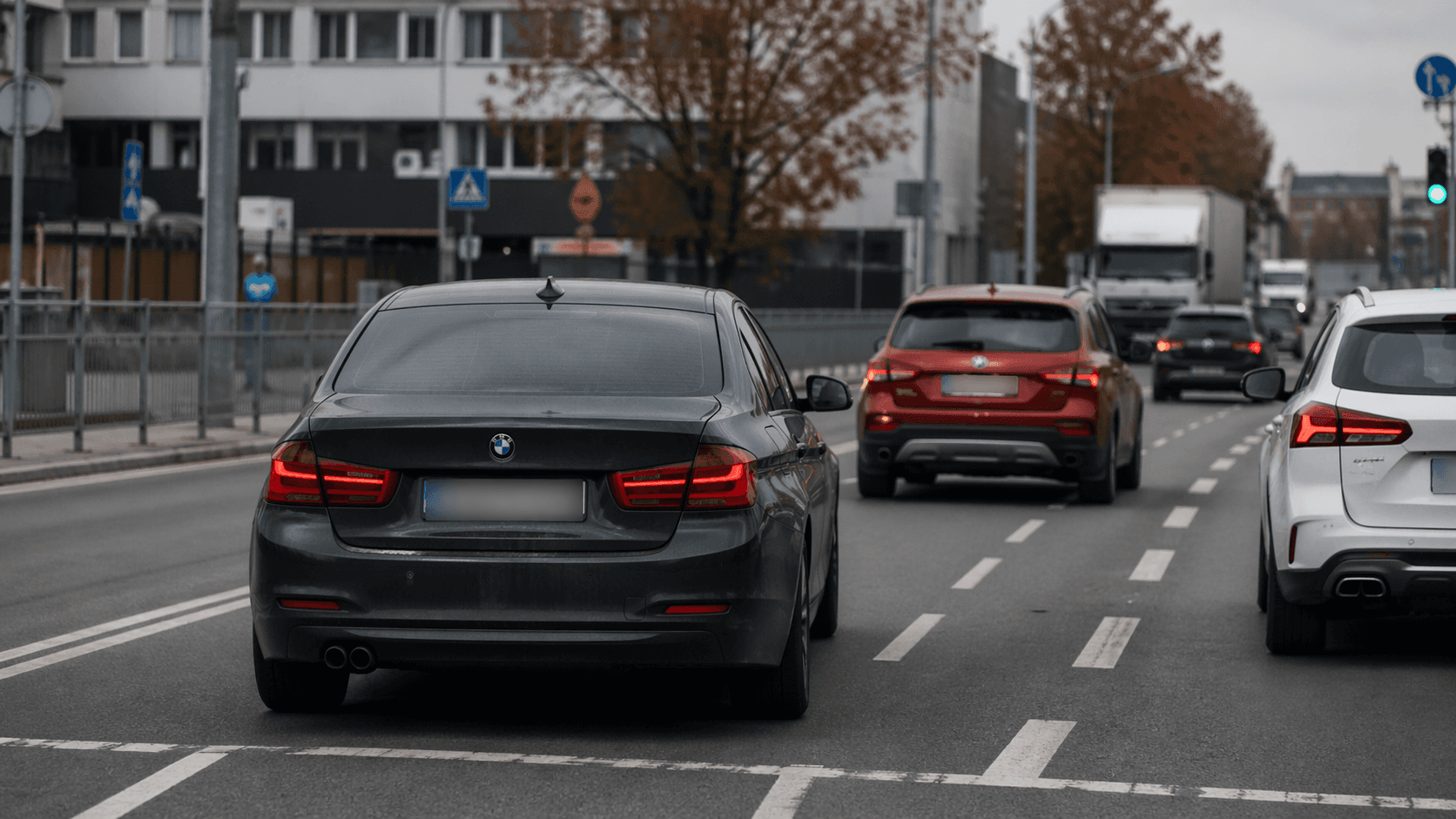
#License Plate Redaction: Why It Matters and How to Get It Right
If you're working with video or image data captured in public spaces parking lots, roads, highways, or even private premises with vehicle access there's a strong chance that data contains vehicle registration numbers. Most of the time, capturing that footage isn't the problem. Sharing, publishing, or storing it without proper license plate redaction is where things get complicated. Whether you're in fleet management, autonomous vehicle development, or journalism, understanding how to redact number plates correctly is no longer optional it's expected.
What Is License Plate Redaction?
License plate redaction is the process of automatically detecting and obscuring vehicle registration numbers in images or video footage. This is typically done through blurring, pixelation, or solid masking anything that renders the plate unreadable to a person or a machine.
It's not just a technical step. It's a privacy decision. A vehicle registration number, when paired with a timestamp and location, can be used to track an individual's movements. That makes it personally identifiable information under several data protection frameworks, including GDPR in Europe and various state-level privacy laws in the US. Think of licence plate redaction the same way you'd think about anonymizing a name or address before sharing a document it's a responsible data practice that protects real people.
Why Should You Redact Number Plates?
This is the question most people skip over, assuming it only matters for large enterprises or government bodies. It doesn't.
Legal and Regulatory Compliance
Under GDPR, vehicle registration data can qualify as personal data especially when combined with time and location metadata. If you're processing, storing, or sharing footage that contains readable plates without a lawful basis, you're potentially in violation. The same applies under CCPA in California and similar laws elsewhere. Number plate redaction is one of the most straightforward ways to reduce that legal exposure and demonstrate that your organization takes data minimization seriously.
Protecting Third Parties
When you capture footage on a road or car park, the vehicles in that footage belong to people who never consented to being recorded. Reliable licence plate redaction ensures that when you use or publish that footage, you're not inadvertently exposing private individuals their location, their routine, their vehicle. The burden of protection falls on the organization handling the footage, not the individuals captured in it.
Publishing and Sharing Data Safely
Organizations working in autonomous vehicle development, mapping, insurance, or logistics regularly need to share large datasets. Without license plate redaction, that data can't be responsibly published or transferred. Redacting plates before sharing is standard practice in compliant data pipelines, and skipping this step can stall partnerships or regulatory approvals entirely.
Avoiding Reputational Risk
Beyond the legal side, there's a straightforward reputational angle. Releasing footage or datasets that contain readable plates even accidentally reflects poorly on data handling practices. It signals to partners, regulators, and the public that privacy wasn't taken seriously. A single incident of this kind can damage trust in ways that are difficult to recover from, especially for organizations that depend on public data for their core operations.
AI Training Data Requirements
If you're building or fine-tuning machine learning models using real-world video, your training data almost certainly contains vehicle registration numbers. Most responsible AI development guidelines now require that personally identifiable information be removed before data is used for training. License plate redaction is a non-negotiable part of that process and skipping it can mean your models are trained on data that shouldn't have been used in the first place. You can learn more about how AI content tools handle privacy compliance in our guide on how to automate Instagram comments without sounding spammy.
Where Is Number Plate Redaction Most Commonly Needed?
The need to redact number plates comes up across a wide range of industries and scenarios. It's not limited to government agencies or large tech companies — any organization working with footage that captures vehicles in public or semi-public spaces will encounter this requirement sooner or later.
Dashcam and fleet footage published for safety reporting or public awareness is one of the most common use cases. Street-level imagery used in mapping or navigation products must also go through automated license plate redaction before it can be responsibly distributed. Insurance claim videos shared with third parties or legal teams, security camera footage released in response to data subject access requests, and autonomous vehicle training datasets prepared for model development all fall into this category. Journalistic or documentary footage where bystander privacy must be preserved is another area where licence plate redaction is expected as a professional standard.
If any of these apply to your work, number plate redaction isn't optional it's expected by your regulators, your partners, and increasingly your end users.
What Makes a Solution Actually Reliable?
Not every tool handles license plate redaction well. Reliable detection means consistent, accurate performance across real-world conditions not just clean, well-lit test images. In practice, footage includes motion blur, partial obstructions, rain or glare, night-time recording, and plates from different countries with different formats.
The gap between a 95% and 99% detection rate might sound small. Across a million frames of footage, that's 50,000 plates left unredacted. For compliance purposes, that's not good enough. When evaluating a solution for automated license plate redaction, look for high accuracy across diverse lighting and weather conditions, support for international and regional plate formats, consistent tracking across video frames rather than just single-frame detection, audit logging and reporting so you can verify coverage, and processing speed that scales with your data volume. These aren't nice-to-haves they're the baseline for anything deployed in a compliance-sensitive environment. For additional insights on AI-powered content tools and their reliability, explore how AI tools support brand visibility.
Manual vs. Automated Redaction
Some teams try to handle this manually reviewing footage frame by frame and blurring plates by hand. For small volumes, it's possible. For anything beyond that, it's not practical. A ten-minute video at 30fps contains 18,000 frames. Manual review doesn't scale, introduces human error, and creates inconsistent results that can undermine compliance claims.
Automated license plate redaction handles this at volume, with consistent results, and frees up the people who would otherwise be doing it for higher-value work. Modern object tracking technology ensures that once a plate is identified in a frame, it stays identified across subsequent frames as the vehicle moves — eliminating the gaps that manual review typically leaves. This matters especially for fleet operators or mapping companies processing hundreds of hours of footage daily. If you're managing content at scale across platforms, tools like those covered in our influencer marketing platform guide offer a useful parallel for understanding how automation transforms high-volume workflows.
Conclusion
License plate redaction is one of those compliance requirements that looks simple on paper but demands genuine precision at scale. Whether you're publishing dashcam footage, building autonomous vehicle models, or sharing security camera data, the expectation is the same: vehicle registration numbers that can identify private individuals must be removed before that data is used or shared.
The practical answer for most organizations is automated license plate redaction tools that handle detection, tracking, and masking consistently across thousands or millions of frames. Manual review simply can't deliver the accuracy or scalability that modern data workflows require. If you're not yet treating number plate redaction as a standard step in your data pipeline, now is the time to build it in before a compliance issue forces the conversation.
Frequently Asked Questions
What is license plate redaction? License plate redaction is the automated detection and obscuring of vehicle registration numbers in images or video. It's used to protect the privacy of vehicle owners and to comply with data protection regulations when handling footage that captures vehicles in public or semi-public spaces.
When do I need to redact number plates in video footage? You need to redact number plates whenever you're sharing, publishing, or storing footage that contains vehicles belonging to third parties especially if that footage includes timestamps or location data. This applies to dashcam footage, street imagery, security recordings, and AI training datasets.
Is licence plate redaction really necessary for internal data? In many jurisdictions, yes. Data minimization principles under GDPR and similar frameworks mean you should avoid retaining identifiable information beyond what's necessary, even internally. Applying number plate redaction before storage is a low-effort way to stay compliant without significant changes to your existing data pipeline.
How accurate is automated license plate redaction for AI training data? The best solutions achieve 98–99%+ detection rates across varied real-world footage. Accuracy depends heavily on lighting, motion, camera angle, and plate format. Always test a tool against your actual footage type before deploying automated license plate redaction at scale.
Does license plate redaction work on video? Yes. Modern license plate redaction tools handle both images and video. Video adds complexity plates need to be tracked across frames as vehicles move — but purpose-built solutions manage this using object tracking alongside detection to ensure no frame is missed.
What's the difference between blurring and redaction? Blurring is one method used in licence plate redaction. Redaction refers to the full process: detecting the plate, tracking it across frames if needed, and applying an obscuring effect. The output might be a blur, a pixelated block, or a solid fill the method matters less than whether it's reliably and consistently applied across your entire dataset.