Redazione del filmato della fotocamera del corpo per le forze dell'ordine
Police body-worn camera redaction: blur faces, minors, victims, medical info, and sensitive scenes for public records compliance.
Body-worn cameras (BWCs) are standard in 80% of large U.S. police departments, but public records laws require redaction before release: victim privacy, juvenile protection, medical scenes, and undercover officer safety all demand careful blur before FOIA fulfillment.
Redact body camera footage for FOIA and public records in three steps
Built for police departments, public records officers, and law enforcement agencies managing high-volume redaction requests.
Ingest BWC footage
Import body-worn camera recordings requiring public release or court submission.
Apply blur and manual review
Run automatic face blur, then manually review for minors, victims, medical info, and interior scenes per state law.
Export redacted version
Download the redacted file with audit log and retain the unredacted original per retention schedule.
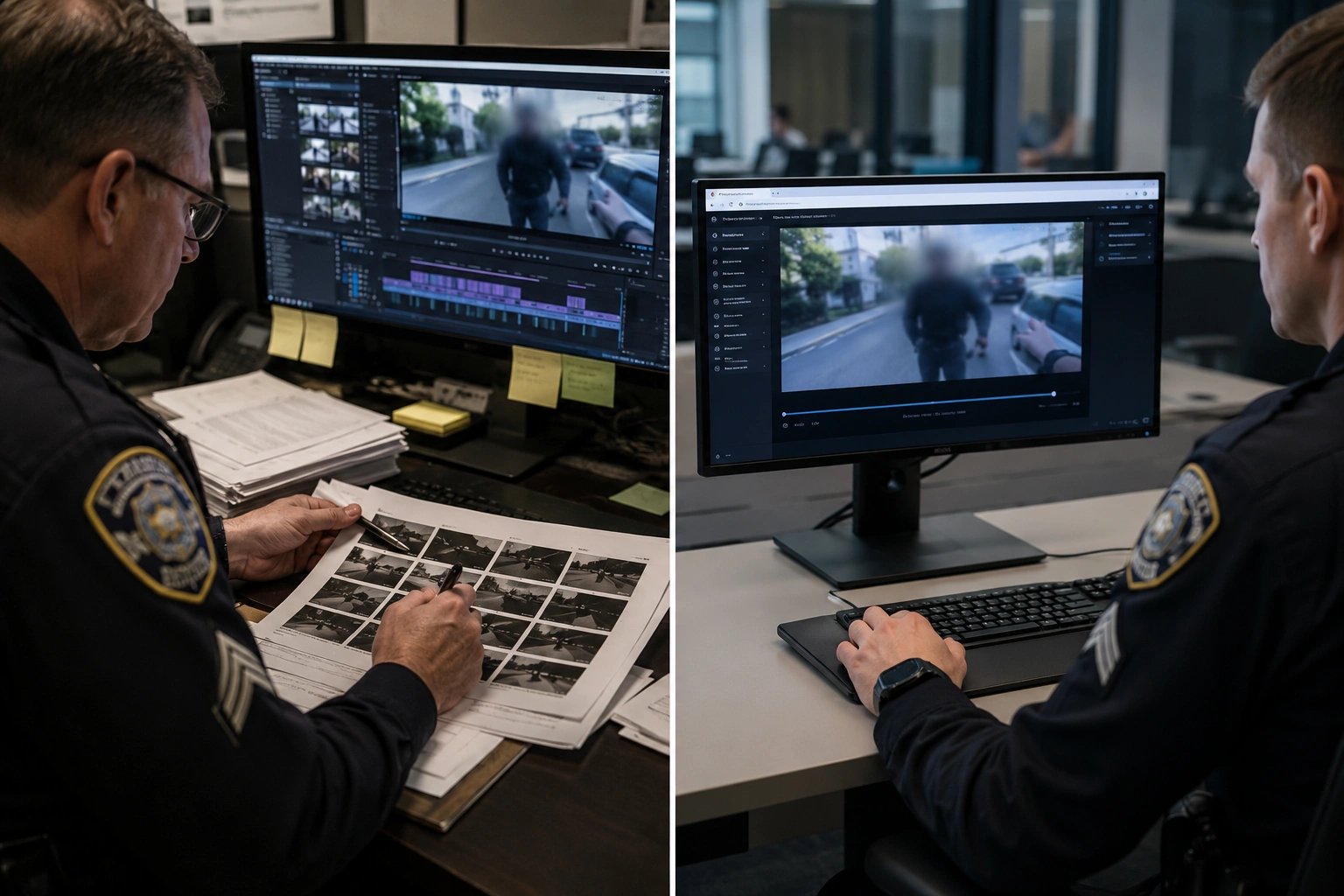
What this example demonstrates
Manual redaction averages 8:1 time ratio (8 hours of work per 1 hour of footage)—unsustainable for departments facing hundreds of requests annually. AI-assisted blur reduces that to 1:1 or better for routine cases.
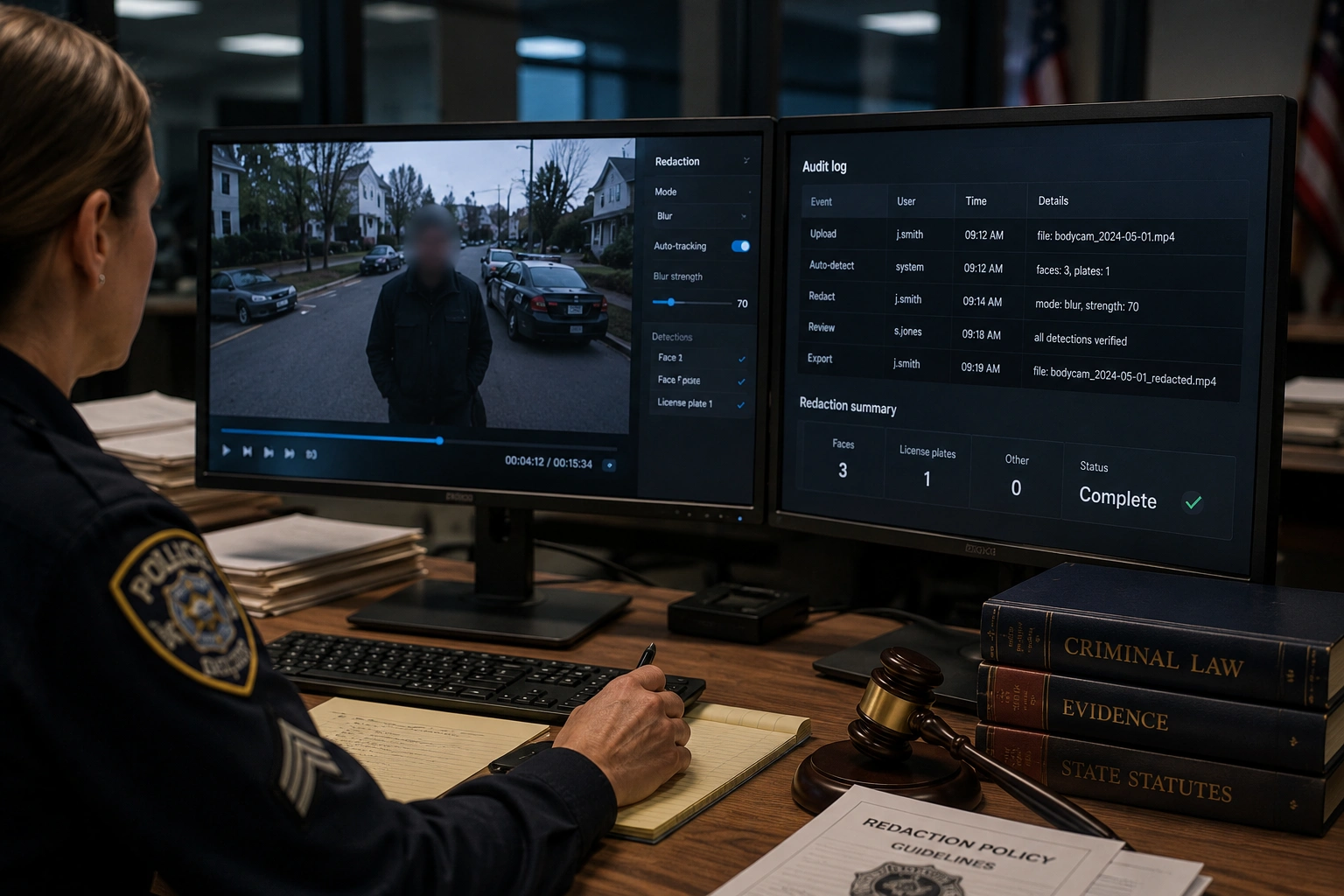
Why teams use this pattern
Proper redaction balances transparency with privacy: over-blur erodes public trust, under-blur violates state laws and exposes victims. Consistent, auditable workflows are essential for accountability.
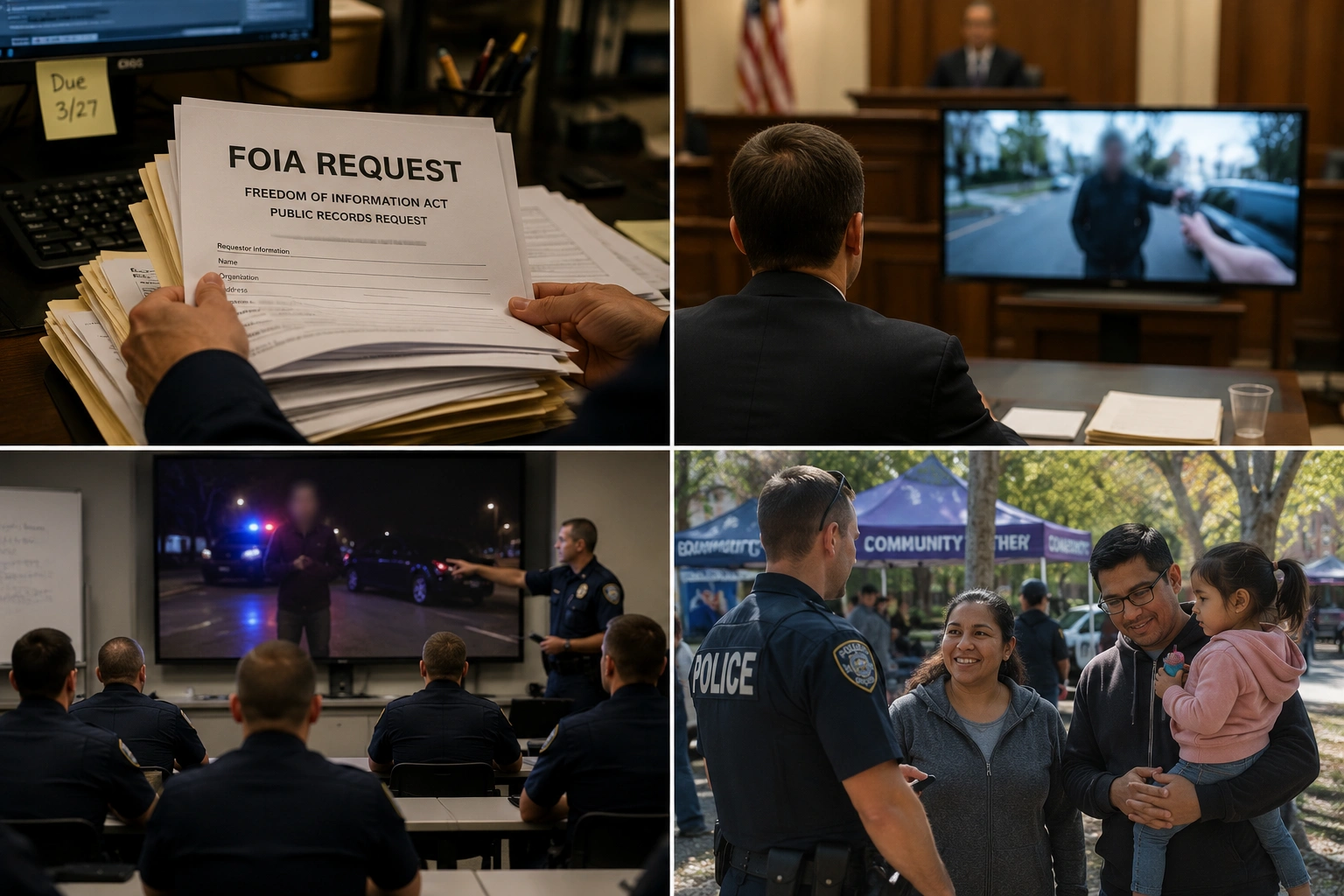
Common use cases
Teams reach for this workflow when foia public records requests for incident footage; court evidence with witness identity protection; training videos with sensitive subject matter; community engagement releases showing police interactions. BGBlur automates detection so these scenarios stay publishable without days in a timeline.
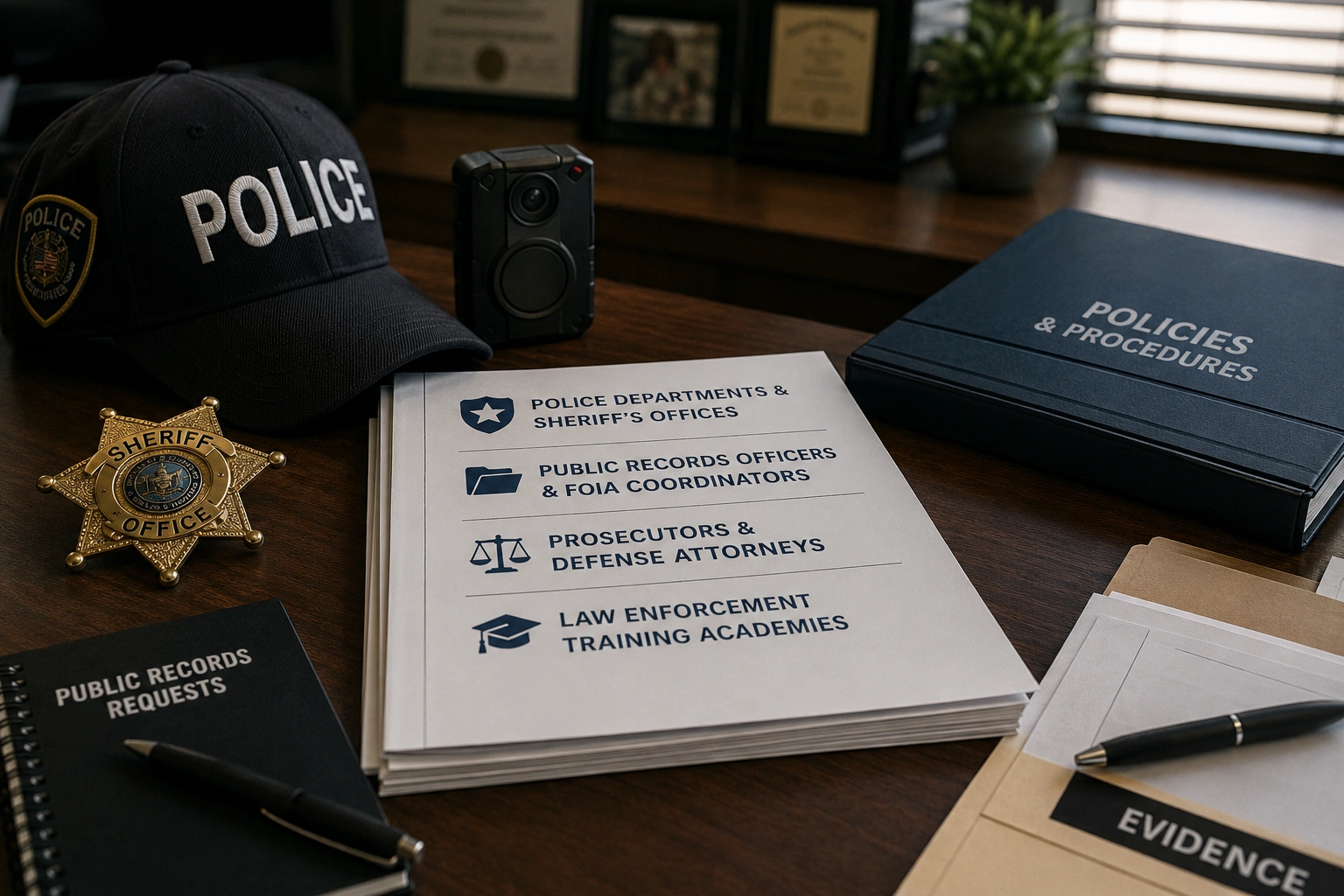
Built for Police departments and sheriff's offices and Public records officers and FOIA coordinators
Ideal audiences include Police departments and sheriff's offices, Public records officers and FOIA coordinators, Prosecutors and defense attorneys, Law enforcement training academies. Pair this example with your policy review when footage is sensitive or public-facing.
Casi d'uso
- FOIA registra le richieste di filmati
- Corte di giustizia
- Video di formazione con materia soggetto sensibile
- Comunicati di impegno comunitari che mostrano le interazioni della polizia
A chi è rivolto
- Dipartimenti di polizia e uffici dello sceriffo
- Ufficiali e coordinatori della FOIA
- Procuratori e avvocati di difesa
- Formazione delle forze dell'ordine
Altri esempi di sfocatura video
Esplora scenari simili con le stesse clip demo e una guida passo-passo.
Condizione video GDPR blur & redaction
Sfocatura video conforme alla privacy dell'UE per volti, piatti e PII—misure tecniche a sostegno della riduzione dei dati del GDPR Articolo 5.
Arrossire di faccia nel video parlante
Rilevamento automatico del viso e sfocatura per interviste, podcast e vlogs—motion-tracked in modo che le identità rimangano protette.
Novità e modelli di anonimizzazione documentaria
Proteggere i testimoni e i soggetti vulnerabili preservando il contesto editoriale—blur e anonimizzazione in una sola pipeline.
Blur nulla: loghi, testi e regioni personalizzate
Aree arbitrarie di destinazione—loghi su felpe, indirizzi sullo schermo, segnaletica—con una precisa selezione assistita da AI.
Esplora le funzionalità di BGBlur
Domande frequenti
- Cosa deve essere reagito nel filmato della fotocamera del corpo?
- Le leggi statali variano, ma i requisiti comuni includono volti minorili, vittime del crimine, scene di salute medica/mentale, informatori confidenziali e interni domestici, consultano sempre il tuo consiglio di agenzia.
- Può AI sostituire la recensione umana per la reazione?
- No—AI accelera il rilevamento, ma la revisione umana è obbligatoria per la defensibilità legale, i casi di bordo e la conformità della politica; il budget 10-20% del tempo manuale originale per QC.
- Come gestiamo la reazione audio insieme alla sfocatura video?
- Molte giurisdizioni richiedono la reazione audio (nomi, indirizzi, informazioni mediche); la sfocatura video gestisce solo i pixel, utilizzare strumenti di lavaggio audio separati o di beep per la reazione vocale.
Pronto a provare sul tuo filmato?
Carica MP4, MOV o M4V e applica le stesse modalità di sfocatura mostrate in questo esempio.
Prova BGBlur gratuitamente