HIPAA-konformes medizinisches Video & Patienten-Blut
Healthcare training videos with patient privacy: blur faces, medical records, PHI, and identifiable information for HIPAA compliance.
HIPAA Privacy Rule (45 CFR §164.514) requires de-identification of protected health information (PHI) before use in training, research, or marketing. For video, that means faces, medical records on screens, patient charts, and any identifiable information must be blurred or removed.
De-identify clinical video for HIPAA compliance in three steps
Built for hospitals, medical schools, and telehealth platforms managing PHI in training and communications footage.
Capture clinical footage
Record patient encounters or clinical procedures per your authorization policies before processing.
Apply face, background, and selective blur
Blur patient faces, background charts and records, and any visible PHI identifiers in the footage.
Export de-identified version
Download the de-identified file for training LMS or marketing and retain the original per HIPAA retention schedule.

What this example demonstrates
HIPAA violations average $50K per incident with maximum penalties of $1.5M annually per violation category. Video blur is a technical safeguard demonstrating good-faith compliance when authorization or de-identification is required.
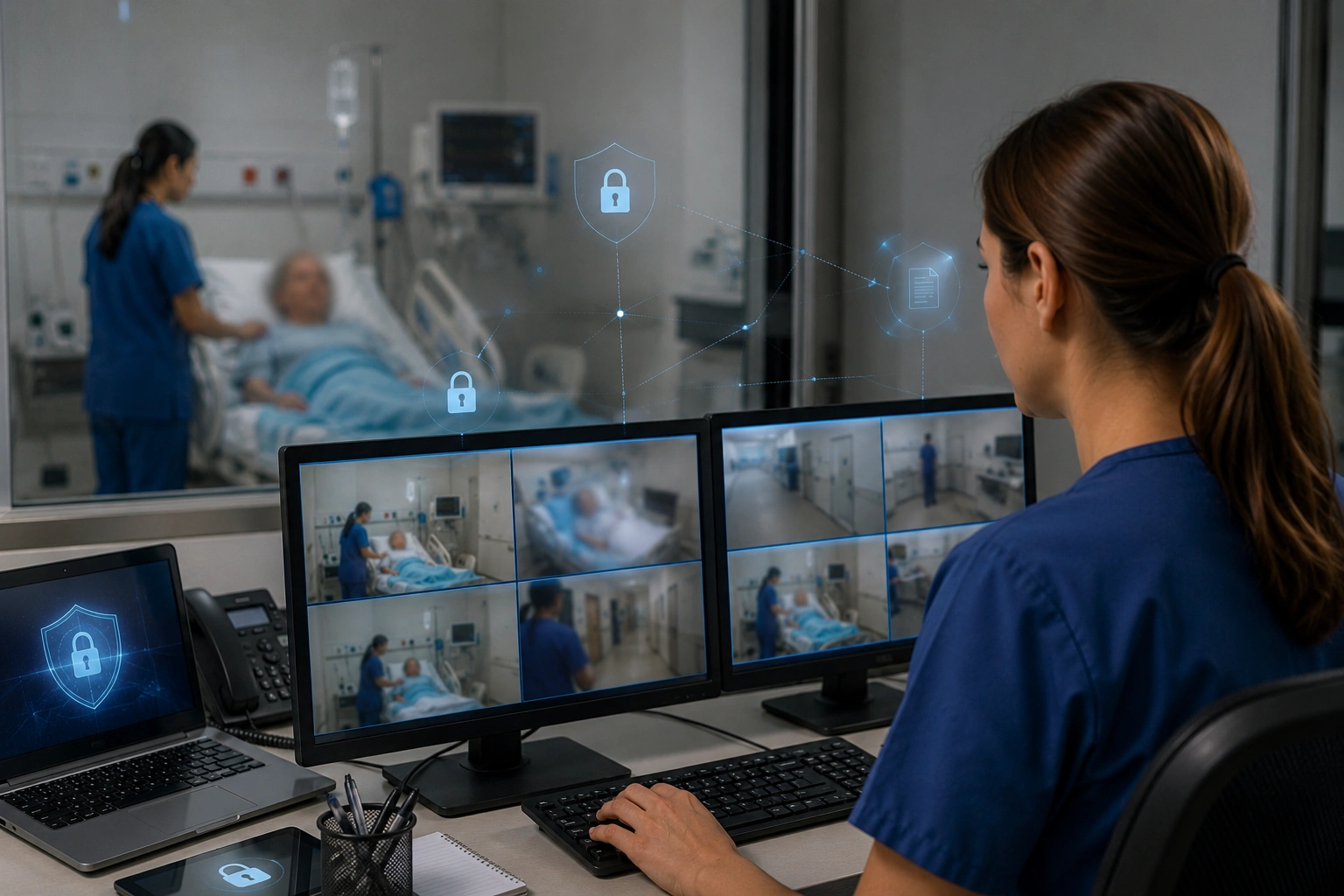
Why teams use this pattern
Blur alone doesn't make video HIPAA-compliant—you also need BAAs, access controls, audit logs, and retention policies—but it's the visible layer that prevents accidental PHI disclosure in training and communications.
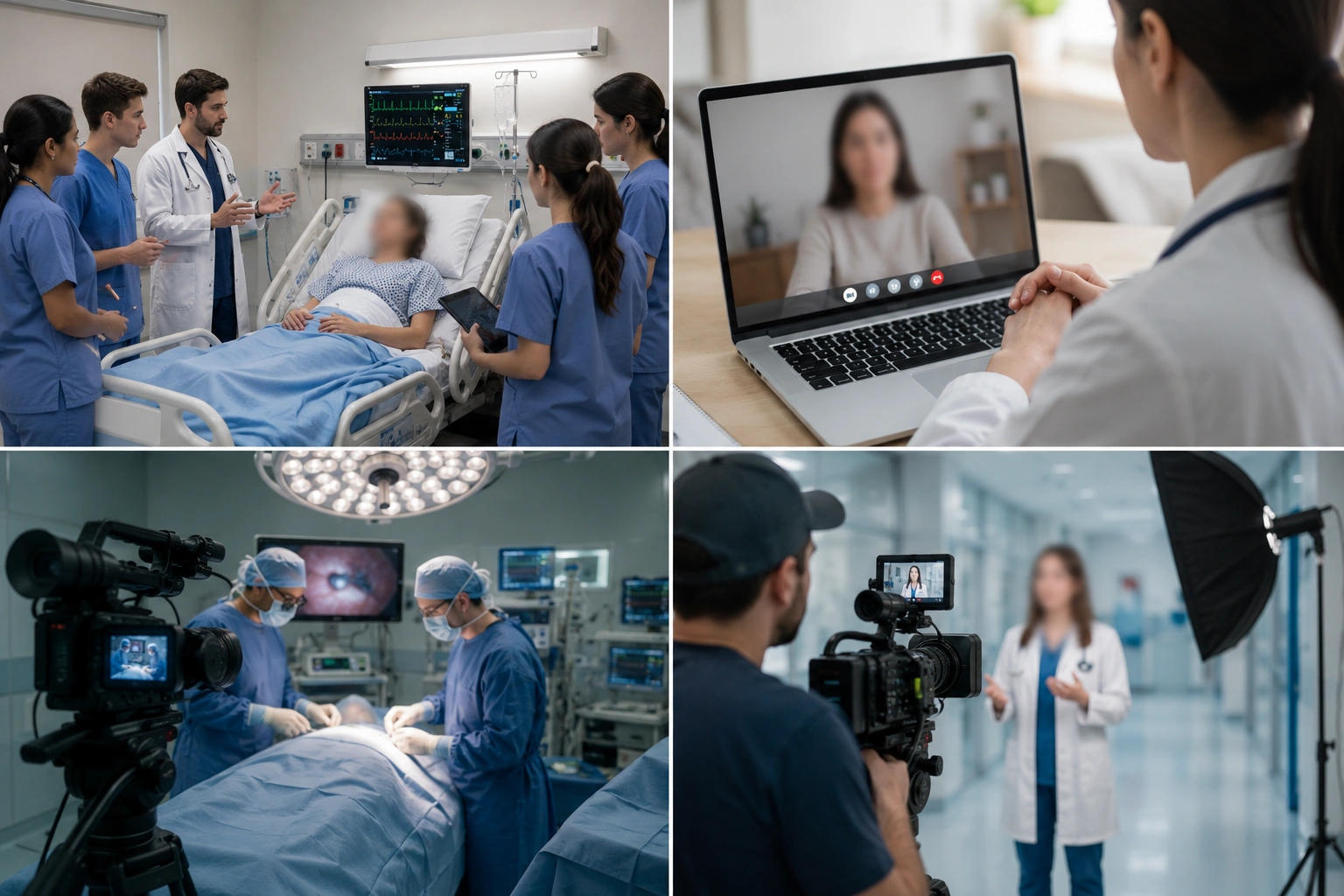
Common use cases
Teams reach for this workflow when medical school training videos with patient encounters; telehealth session recordings for quality assurance; surgical procedure documentation with patient faces visible; healthcare marketing videos filmed in clinical settings. BGBlur automates detection so these scenarios stay publishable without days in a timeline.
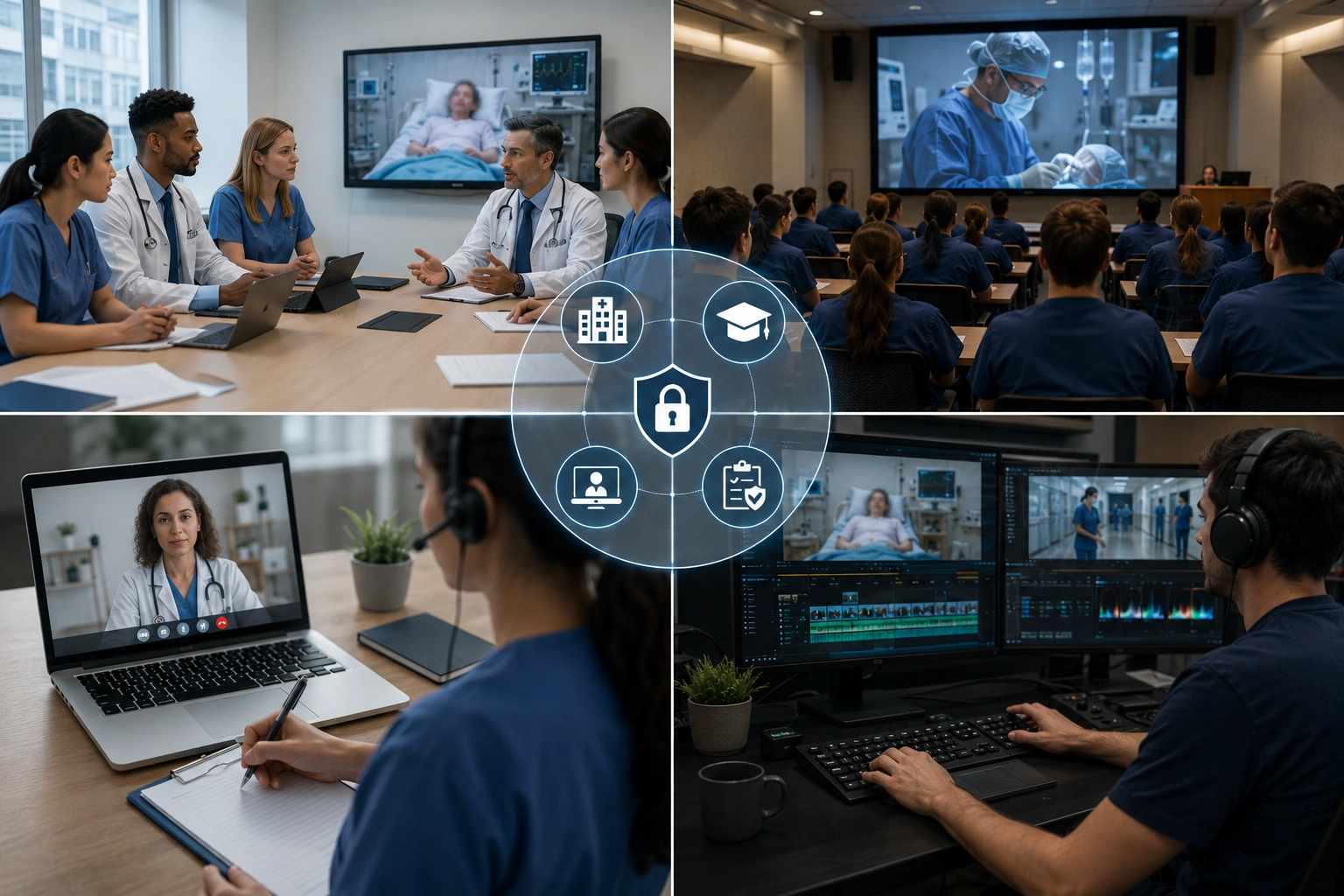
Built for Hospitals and healthcare systems and Medical schools and nursing programs
Ideal audiences include Hospitals and healthcare systems, Medical schools and nursing programs, Telehealth platforms, Healthcare compliance and privacy officers. Pair this example with your policy review when footage is sensitive or public-facing.
Anwendungsfälle
- Medizinische Schule Trainingsvideos mit Patientenauftritten
- Sitzungsaufzeichnungen für die Qualitätssicherung
- Chirurgische Prozedurdokumentation mit Patientenflächen sichtbar
- Healthcare Marketing Videos in klinischen Einstellungen gefilmt
Für wen es gedacht ist
- Krankenhäuser und Gesundheitssysteme
- Medizinische Schulen und Pflegeprogramme
- Telekommunikationsplattformen
- Healthcare Compliance und Datenschutzbeauftragte
Weitere Video-Weichzeichner-Beispiele
Erkunden Sie ähnliche Szenarien mit denselben Demo-Clips und Schritt-für-Schritt-Anleitungen.
DS-GVO-Video-Compliance blur & redaction
EU-Datenschutz-konformes Videoschwimmer für Gesichter, Teller und PII – technische Maßnahmen zur Unterstützung der DSGVO Art. 5 Datenminimierung.
Gesicht verschwimmt im Sprechkopf Video
Automatische Gesichtserkennung und Blendung für Interviews, Podcasts und Vlogs – bewegte sich so, dass Identitäten geschützt bleiben.
HR & Trainingsvideos mit sichererem Hintergrund
Verstecken Sie Haus-Büro-Cutter, Patienten-Charts an Wänden oder Plakate, die die Stelle in L&D-Inhalte.
Blur alles: Logos, Text & benutzerdefinierte Regionen
Target willkürliche Bereiche – Logos auf Hoodies, On-Screen-Adressen, Signage – mit präziser AI-gestützter Auswahl.
Häufig gestellte Fragen
- Benötigt das verwischte Video noch eine Patientenberechtigung?
- Wenn das Video per HIPAA Safe Harbor oder Expert Determination de-identifiziert wird, kann eine Autorisierung nicht erforderlich sein; konsultieren Sie Ihren Datenschutzbeauftragten und Rechtsberater für jeden Anwendungsfall.
- Was zählt als identifizierbarer PHI im Video?
- HIPAA listet 18 Kennungen einschließlich Gesicht, Daten (außer Jahr), geographische Details kleiner als Zustand, medizinische Datennummern-blur muss alle sichtbaren Kennungen ansprechen.
- Können wir verwischte Patientenvideos im Marketing verwenden?
- De-identifizierte Inhalte können für die Vermarktung ohne Autorisierung verwendet werden, wenn sie richtig anonymisiert sind; Stimme, Kontexthinweise und eindeutige Eigenschaften können jedoch Patienten wieder identifizieren – vorsichtig.
Bereit, dies mit Ihren eigenen Aufnahmen zu versuchen?
Laden Sie MP4, MOV oder M4V hoch und wenden Sie dieselben Weichzeichnungsmodi wie in diesem Beispiel an.
BGBlur kostenlos testen