HIPAA-conforme medische video & patiëntvervaging
Healthcare training videos with patient privacy: blur faces, medical records, PHI, and identifiable information for HIPAA compliance.
HIPAA Privacy Rule (45 CFR §164.514) requires de-identification of protected health information (PHI) before use in training, research, or marketing. For video, that means faces, medical records on screens, patient charts, and any identifiable information must be blurred or removed.
De-identify clinical video for HIPAA compliance in three steps
Built for hospitals, medical schools, and telehealth platforms managing PHI in training and communications footage.
Capture clinical footage
Record patient encounters or clinical procedures per your authorization policies before processing.
Apply face, background, and selective blur
Blur patient faces, background charts and records, and any visible PHI identifiers in the footage.
Export de-identified version
Download the de-identified file for training LMS or marketing and retain the original per HIPAA retention schedule.
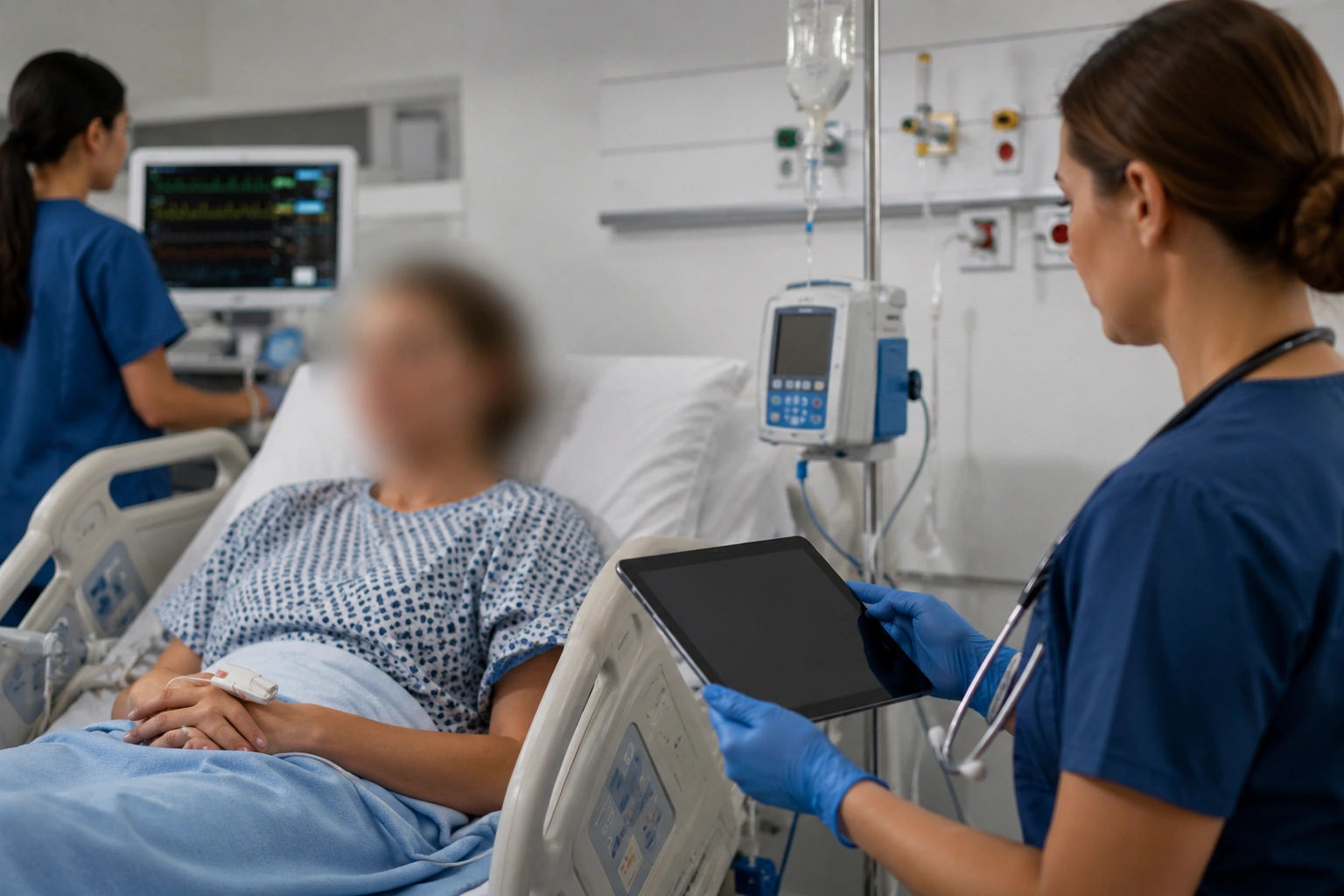
What this example demonstrates
HIPAA violations average $50K per incident with maximum penalties of $1.5M annually per violation category. Video blur is a technical safeguard demonstrating good-faith compliance when authorization or de-identification is required.
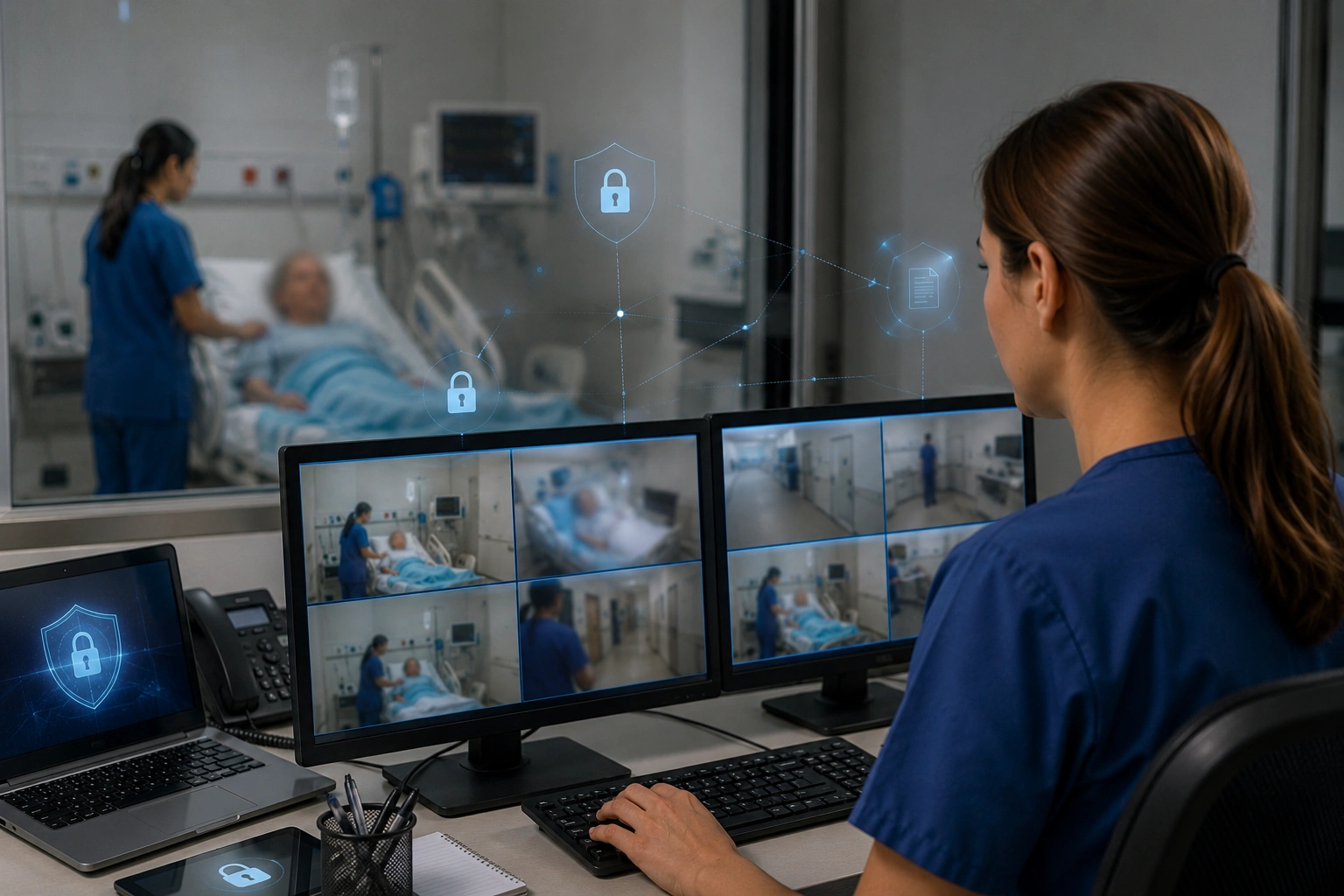
Why teams use this pattern
Blur alone doesn't make video HIPAA-compliant—you also need BAAs, access controls, audit logs, and retention policies—but it's the visible layer that prevents accidental PHI disclosure in training and communications.
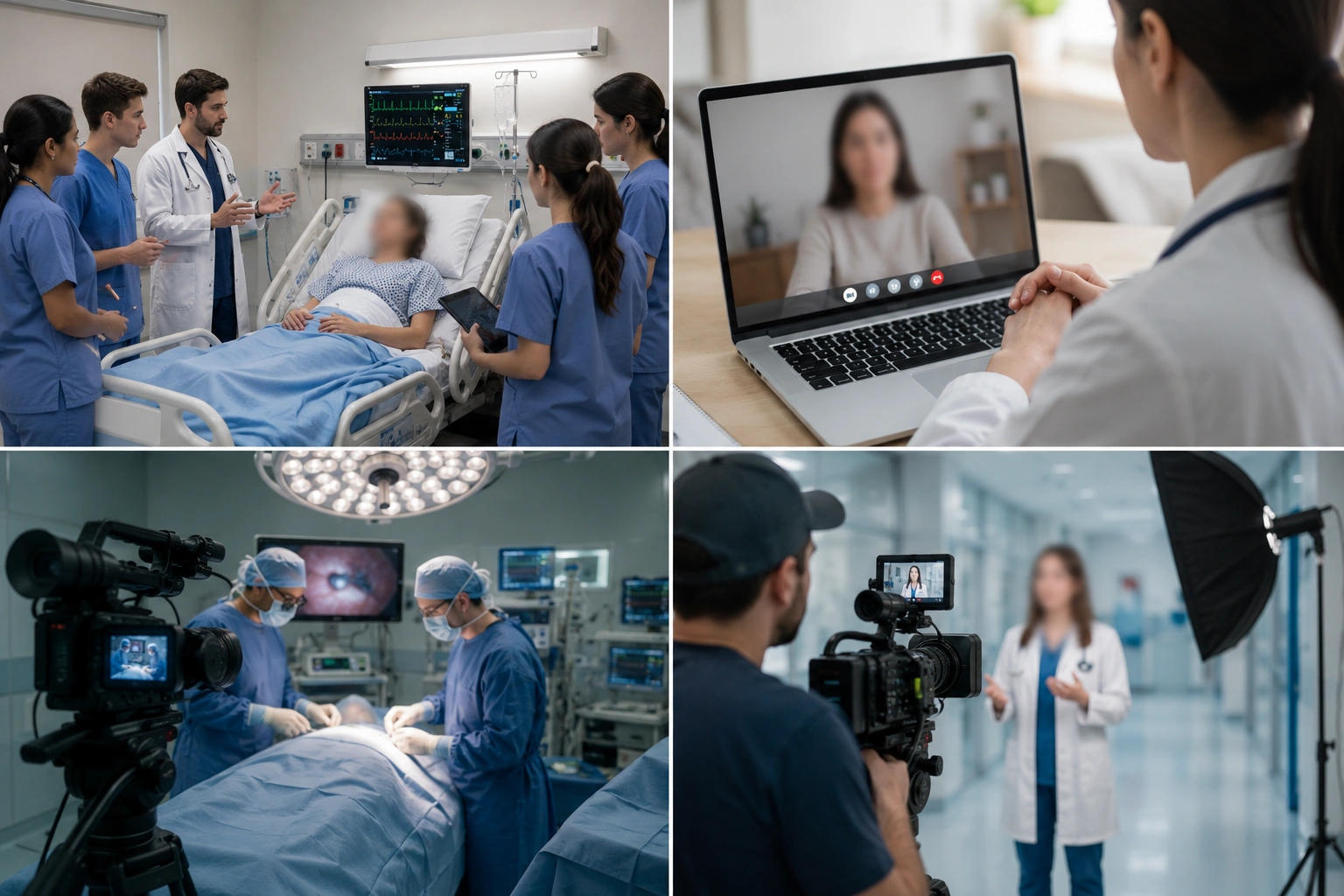
Common use cases
Teams reach for this workflow when medical school training videos with patient encounters; telehealth session recordings for quality assurance; surgical procedure documentation with patient faces visible; healthcare marketing videos filmed in clinical settings. BGBlur automates detection so these scenarios stay publishable without days in a timeline.
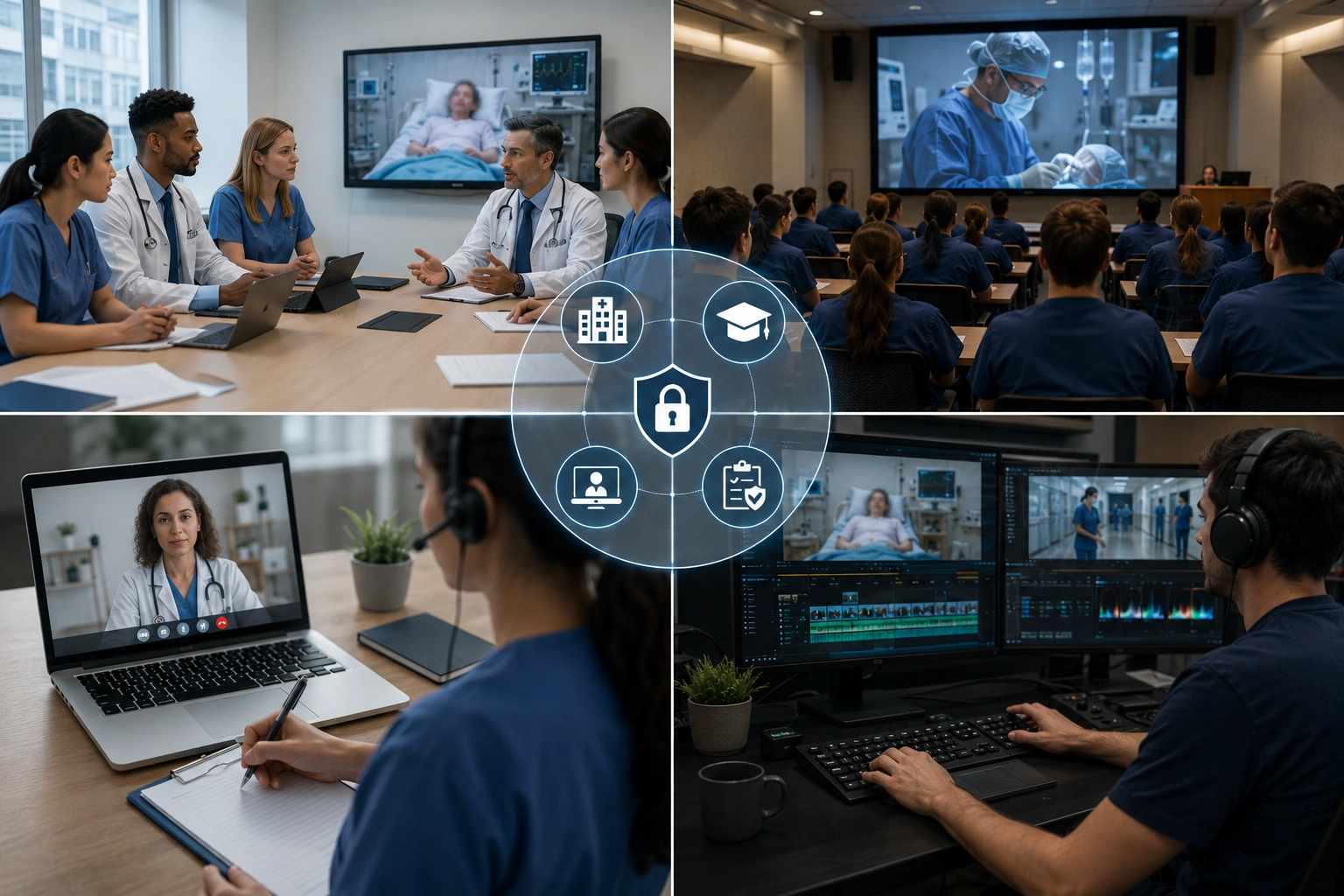
Built for Hospitals and healthcare systems and Medical schools and nursing programs
Ideal audiences include Hospitals and healthcare systems, Medical schools and nursing programs, Telehealth platforms, Healthcare compliance and privacy officers. Pair this example with your policy review when footage is sensitive or public-facing.
Toepassingen
- Medische school training video's met patiënten ontmoetingen
- Telegezondheidssessie opnames voor kwaliteitsborging
- Documentatie van de chirurgische procedure met zichtbaar gezicht van de patiënt
- Gezondheidszorg marketing video's gefilmd in klinische settings
Voor wie het is
- Ziekenhuizen en zorgstelsels
- Medische scholen en verpleegprogramma's
- Telegezondheidsplatforms
- Gezondheidszorg en privacymedewerkers
Meer video vervagen voorbeelden
Ontdek vergelijkbare scenario's met dezelfde democlips en stapsgewijze begeleiding.
GDPR-video compliance wazig & redactie
EU-video-vervaging op basis van privacy voor gezichten, platen en PII/technische maatregelen ter ondersteuning van de GDPR Artikel 5 gegevensminimalisatie.
Gezichtsvervaging in talking-head video
Automatische gezichtsdetectie en vervaging voor interviews, podcasts en vlogs, zodat identiteiten beschermd blijven.
HR & trainingsvideo's met een veiliger achtergrond
Verberg rommel, patiëntenkaarten op muren, of posters die de locatie in L&D-inhoud lekken.
Alles vervagen: logo's, tekst & aangepaste regio's
Target willekeurige gebieden...logos op hoodies, op het scherm adressen, bewegwijzering... met nauwkeurige AI-ondersteunde selectie.
Veelgestelde vragen
- Heeft wazige video nog steeds toestemming van de patiënt nodig?
- Indien de video is gede-identificeerd per HIPAA Safe Harbor of Expert Determination, machtiging kan niet worden vereist; raadpleeg uw privacy officer en juridisch adviseur voor elke use case.
- Wat telt als identificeerbare PHI in video?
- HIPAA-lijsten 18 identificatienummers met inbegrip van gezicht, data (behalve jaar), geografische gegevens kleiner dan staat, medische registratienummers moeten alle zichtbare identificatienummers bevatten.
- Kunnen we wazige patiëntvideo's gebruiken in marketing?
- Geïdentificeerde inhoud kan zonder toestemming worden gebruikt voor het in de handel brengen indien dit correct is geanonimiseerd; echter, spraak, context aanwijzingen, en unieke kenmerken kunnen patiënten nog steeds heridentificeren.
Klaar om dit op je eigen beelden te proberen?
Upload MP4, MOV of M4V en pas dezelfde vervagingsmodi toe als in dit voorbeeld.
Probeer BGBlur gratis