HIPAA-совместимое медицинское видео и размытие пациентов
Healthcare training videos with patient privacy: blur faces, medical records, PHI, and identifiable information for HIPAA compliance.
HIPAA Privacy Rule (45 CFR §164.514) requires de-identification of protected health information (PHI) before use in training, research, or marketing. For video, that means faces, medical records on screens, patient charts, and any identifiable information must be blurred or removed.
De-identify clinical video for HIPAA compliance in three steps
Built for hospitals, medical schools, and telehealth platforms managing PHI in training and communications footage.
Capture clinical footage
Record patient encounters or clinical procedures per your authorization policies before processing.
Apply face, background, and selective blur
Blur patient faces, background charts and records, and any visible PHI identifiers in the footage.
Export de-identified version
Download the de-identified file for training LMS or marketing and retain the original per HIPAA retention schedule.

What this example demonstrates
HIPAA violations average $50K per incident with maximum penalties of $1.5M annually per violation category. Video blur is a technical safeguard demonstrating good-faith compliance when authorization or de-identification is required.
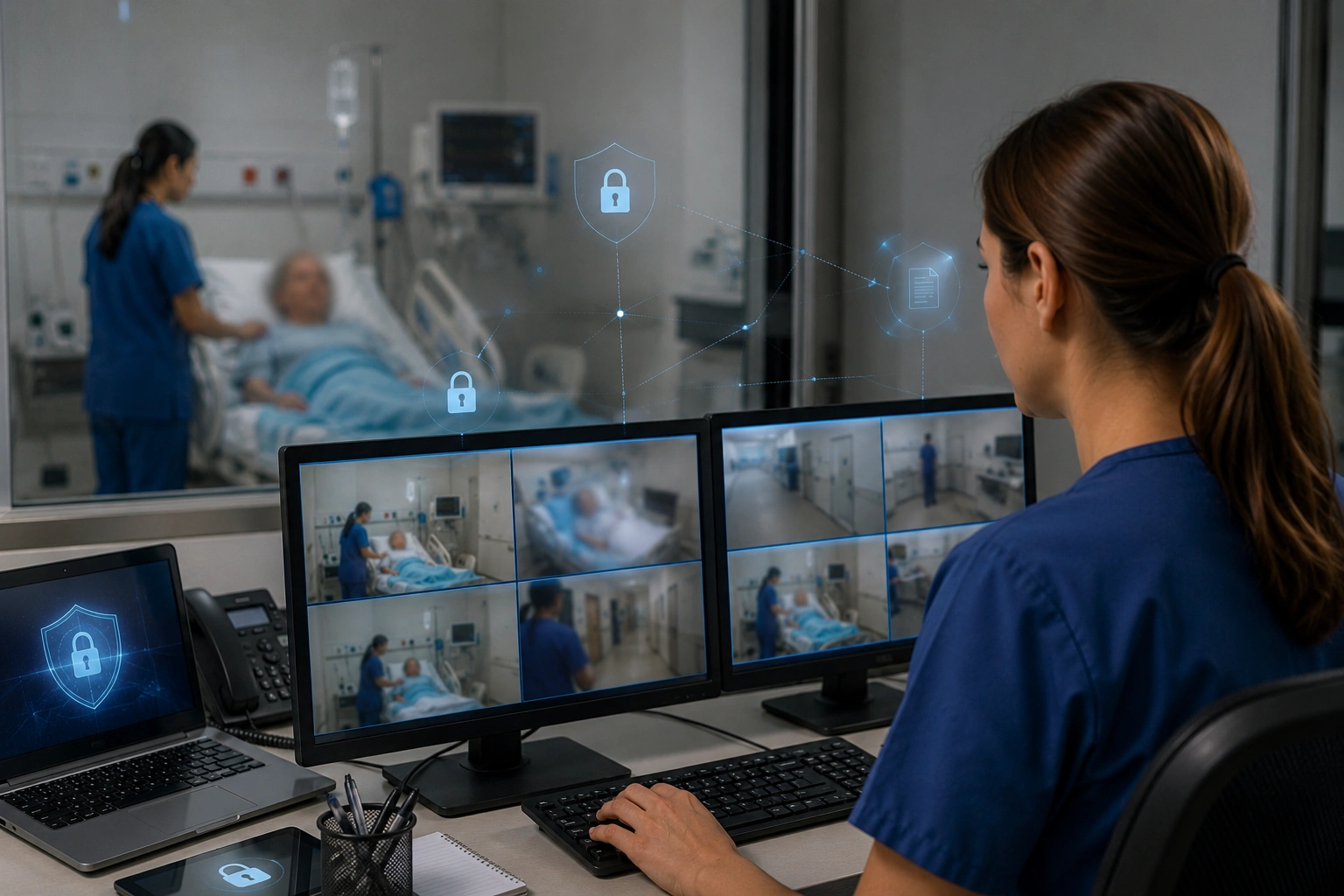
Why teams use this pattern
Blur alone doesn't make video HIPAA-compliant—you also need BAAs, access controls, audit logs, and retention policies—but it's the visible layer that prevents accidental PHI disclosure in training and communications.
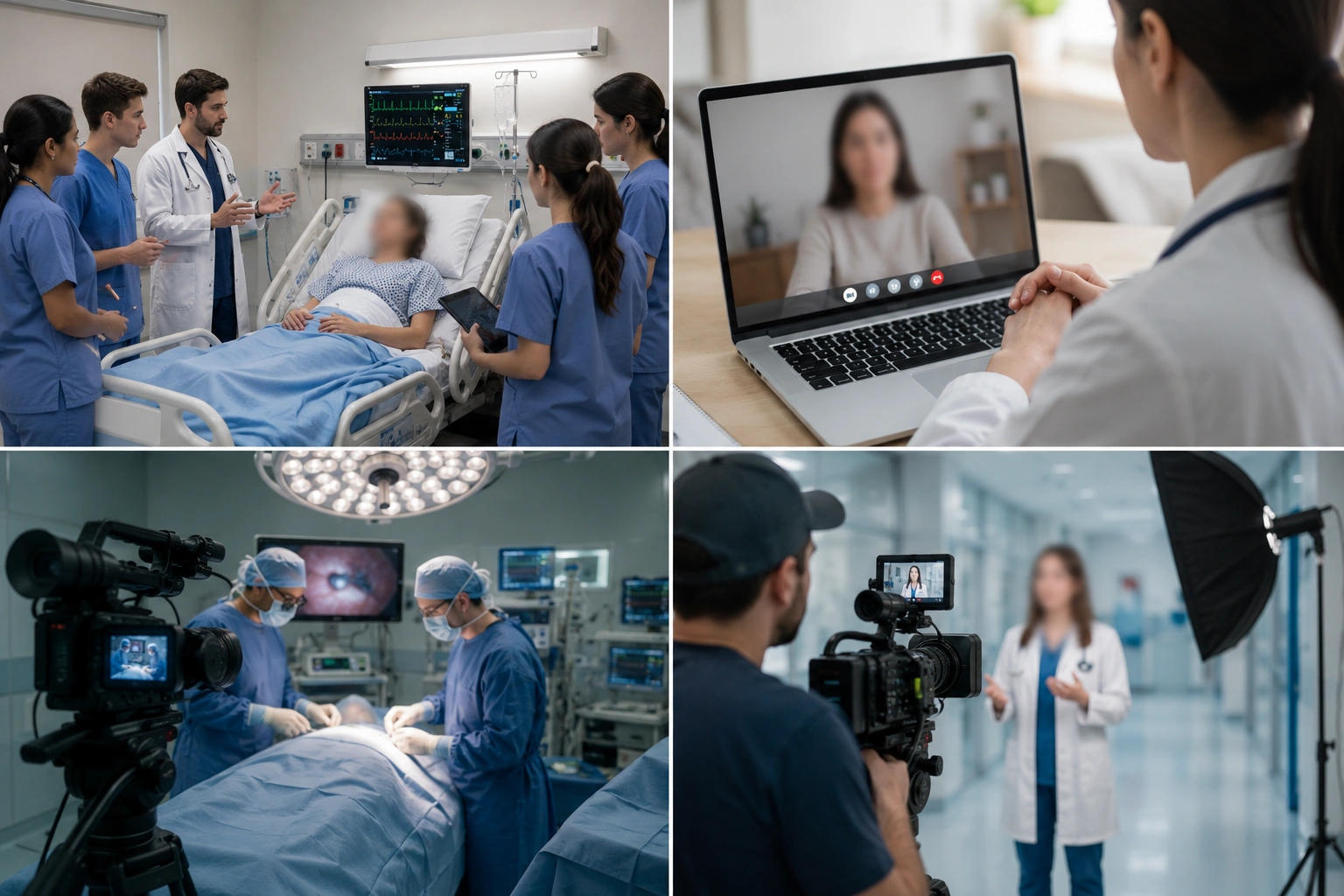
Common use cases
Teams reach for this workflow when medical school training videos with patient encounters; telehealth session recordings for quality assurance; surgical procedure documentation with patient faces visible; healthcare marketing videos filmed in clinical settings. BGBlur automates detection so these scenarios stay publishable without days in a timeline.
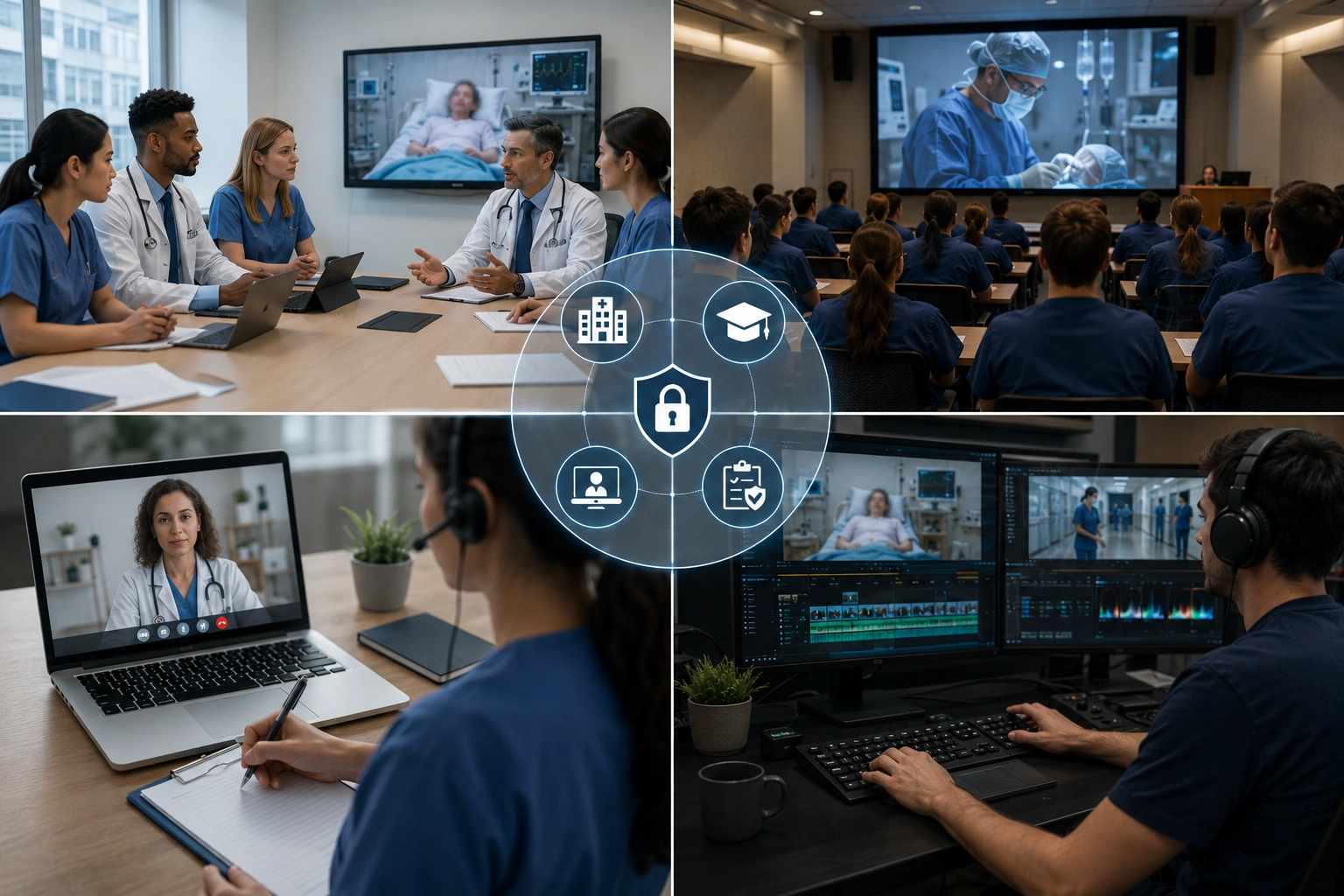
Built for Hospitals and healthcare systems and Medical schools and nursing programs
Ideal audiences include Hospitals and healthcare systems, Medical schools and nursing programs, Telehealth platforms, Healthcare compliance and privacy officers. Pair this example with your policy review when footage is sensitive or public-facing.
Варианты использования
- Учебные видео о медицинской школе с встречами пациентов
- Записи сеансов телемедицины для обеспечения качества
- Документация хирургической процедуры с видимыми лицами пациента
- Маркетинговые видеоролики о здравоохранении, снятые в клинических условиях
Для кого это
- Больницы и системы здравоохранения
- Медицинские школы и программы медсестер
- Телемедицинские платформы
- Соответствие требованиям здравоохранения и сотрудники по вопросам конфиденциальности
Другие примеры размытия видео
Изучите аналогичные сценарии с теми же демо-клипами и пошаговым руководством.
GDPR видео соответствие размытие и редакция
Соответствующее конфиденциальности видео в ЕС размыто для лиц, пластин и PII - технические меры, поддерживающие минимизацию данных в соответствии со статьей 5 GDPR.
Лицо размыто в видео с говорящей головой
Автоматическое обнаружение лица и размытие для интервью, подкастов и влогов — отслеживание движения, поэтому идентификаторы остаются защищенными.
HR и обучающие видео с более безопасным фоном
Скрыть беспорядок в домашнем офисе, карты пациентов на стенах или плакаты, которые пропускают местоположение в контенте L & D.
Размыть все: логотипы, текст и пользовательские регионы
Целевые произвольные области — логотипы на толстовках, экранные адреса, вывески — с точным выбором с помощью ИИ.
Часто задаваемые вопросы
- По-прежнему ли размытое видео требует разрешения пациента?
- Если видео обезличено в соответствии с HIPAA Safe Harbor или Expert Determination, разрешение может не потребоваться; проконсультируйтесь с вашим сотрудником по конфиденциальности и юридическим консультантом для каждого случая использования.
- Что считается идентифицируемым PHI в видео?
- HIPAA перечисляет 18 идентификаторов, включая лицо, даты (кроме года), географические данные, меньшие, чем государственные, номера медицинских записей.
- Можно ли использовать размытые видеоролики о пациентах в маркетинге?
- Обезличенный контент может использоваться для маркетинга без разрешения, если он надлежащим образом обезличен; однако голос, контекстные подсказки и уникальные характеристики все еще могут повторно идентифицировать пациентов.
Готовы попробовать это на своем видео?
Загрузите MP4, MOV или M4V и примените те же режимы размытия, что и в этом примере.
Попробовать BGBlur бесплатно